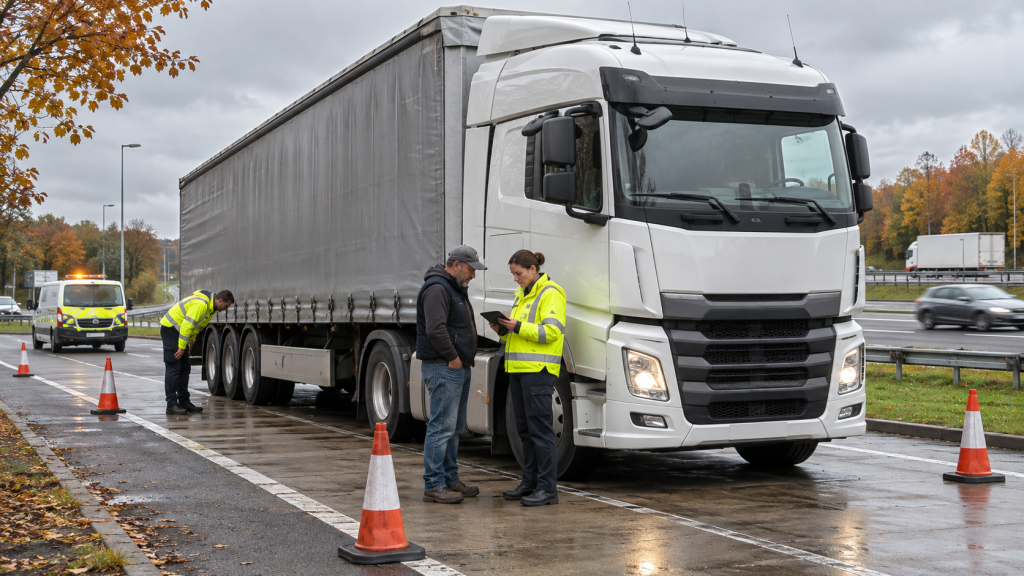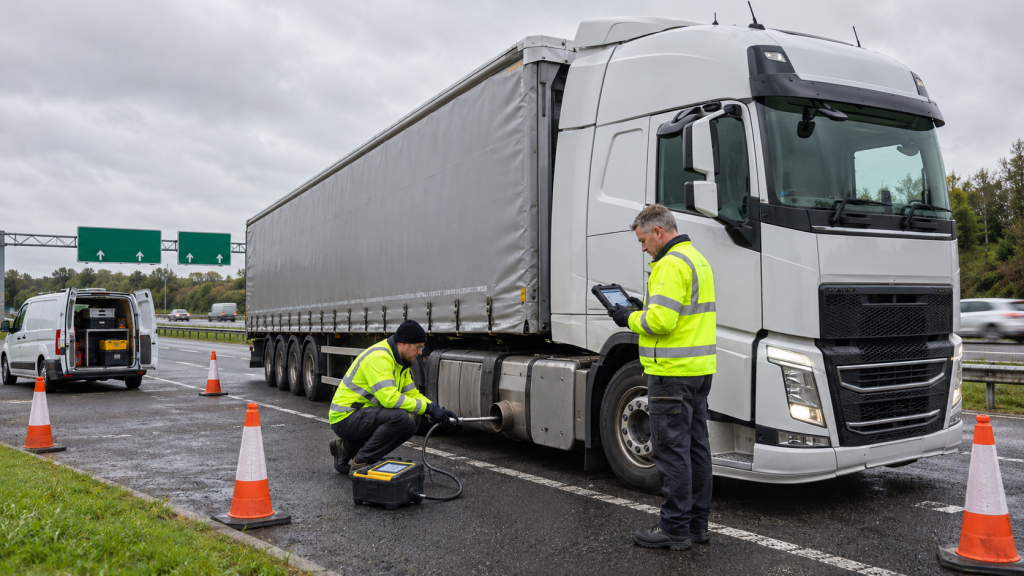
The Road Safety Authority (RSA) has reported 66 infringements during roadside inspections for failing to have a smart tachograph fitted, highlighting the need for Irish hauliers to check vehicles used on international work.
The figure is a reminder that transport managers should confirm the equipment fitted to each vehicle before assigning it to a cross-border journey. Having a digital tachograph, or even a first-generation smart unit, does not necessarily satisfy the retrofit requirements.
Under the EU Mobility Package, affected HGVs operating internationally must now be equipped with a Smart Tachograph Version 2. The retrofit deadlines for both older analogue and digital non-smart units, and Version 1 smart tachographs, have passed.
Which deadlines applied?
Vehicles used internationally that were fitted with an analogue or digital non-smart tachograph had to be upgraded by 31 December 2024.
Those equipped with a Smart Tachograph Version 1 unit had until 18 August 2025 to complete the replacement. New in-scope heavy vehicles first registered from 21 August 2023 were already required to have Version 2 equipment.
The distinction matters when reviewing fleet records: a truck described as having a “smart tachograph” may still have a Version 1 unit requiring replacement for international operations.
Britain and Northern Ireland journeys are covered
The RSA confirms that goods vehicles carrying a load between Ireland and the UK, including Northern Ireland, must meet the relevant retrofit requirements unless an existing exemption applies.
Own-account haulage can also fall within scope. Operators should therefore check the actual journey and applicable exemptions before allocating a vehicle to cross-border work.
- Every key deadline: diesel rebate, fuel excise, carbon tax
- Tick-box checklist for tacho, CVRT, CPC & operator licence
- Where drivers get caught at RSA roadside checks
Check the unit fitted
Transport managers should establish the tachograph generation and version fitted to every vehicle used internationally, particularly older trucks, recent purchases and vehicles moving from domestic duties to cross-border work.
Practical checks should include:
-
Confirming the tachograph version from its technical details or with an approved workshop.
-
Checking installation and calibration documentation.
-
Ensuring drivers know how to operate the equipment.
-
Resolving any uncertainty before dispatching the vehicle internationally.
The RSA advises that the unit’s version can be identified through a technical printout, downloaded technical information or the manufacturer’s label. Approved tachograph workshops can carry out the necessary installation and calibration work.
International van operators also affected
Since 1 July 2026, the requirements have also extended to in-scope vans and light commercial vehicles above 2.5 tonnes used for international goods transport or cabotage. Exemptions apply, so operators should check the detailed guidance against their activities.
For hauliers, the immediate action is to check the equipment actually fitted to each vehicle. Any outstanding retrofit should be addressed before the vehicle undertakes work requiring a Version 2 smart tachograph.
Further information is available in the RSA’s Smart Tachograph 2 guidance.