Telematics and route optimisation can cut fuel use in heavy goods vehicles (HGVs) in a few very practical ways—most of it comes down to reducing wasted motion, avoiding inefficient driving conditions, and improving driver behaviour.
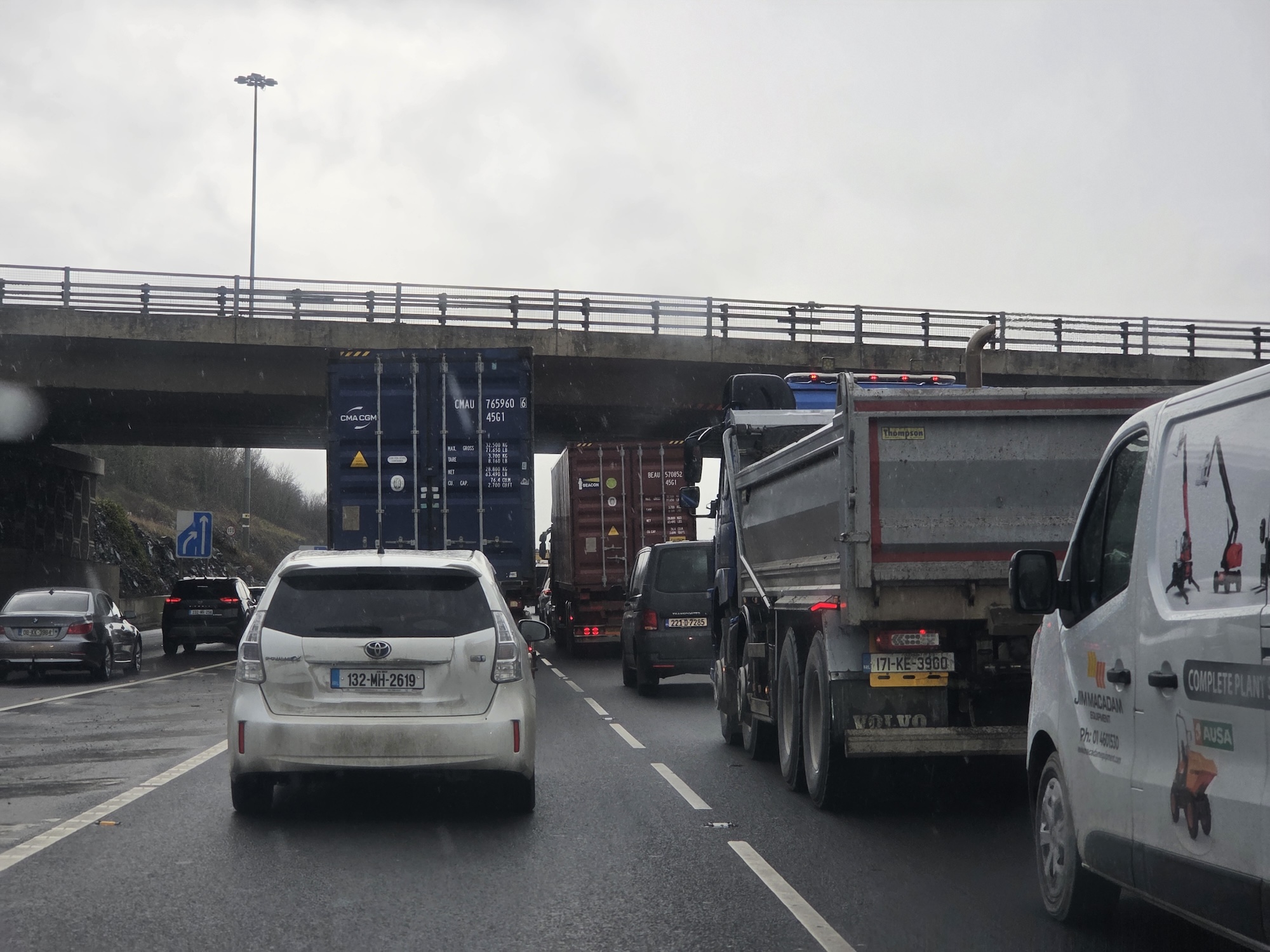
Route optimisation systems use GPS data, traffic feeds, and historical patterns to plan the most efficient routes. That means fewer unnecessary miles driven, avoiding stop-start traffic (which burns far more fuel than steady cruising) and choosing roads better suited for HGVs (fewer sharp turns, steep climbs, or low-speed zones)
Even small reductions in distance or time can translate into noticeable fuel savings across a fleet.
Reduced idling time
Telematics systems track how long engines are left running while stationary. Excessive idling wastes a surprising amount of fuel. With this data managers can set idling limits and drivers can get get feedback or alerts. Companies can enforce policies to shut off engines when not needed
Improved driving behaviour
Fuel consumption is heavily influenced by how the vehicle is driven. Telematics monitors harsh acceleration and braking, speeding, gear usage and engine revs
Drivers can then be coached to adopt smoother driving habits, which can significantly improve fuel efficiency.
Route optimisation can align delivery schedules and loads more effectively which reduces empty or partially loaded trips, ensures optimal sequencing of stops, and minimises detours or backtracking
Carrying full loads on efficient routes means fewer trips overall.
Unlike static planning, telematics allows dynamic rerouting to avoid avoid accidents, roadworks, or sudden congestion and react to weather conditions that affect fuel use (e.g., strong headwinds, icy roads)
This prevents vehicles from getting stuck in fuel-inefficient situations.