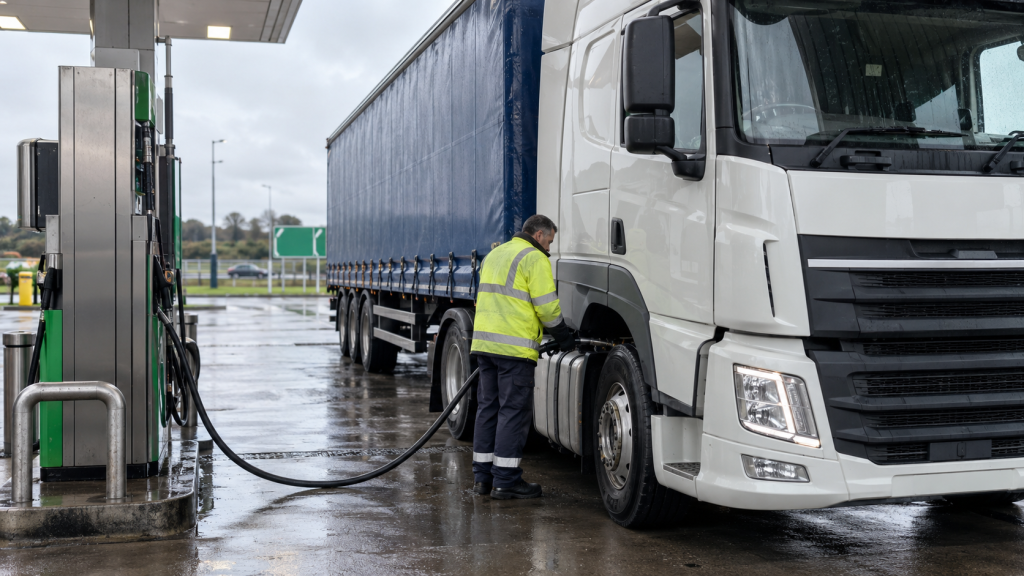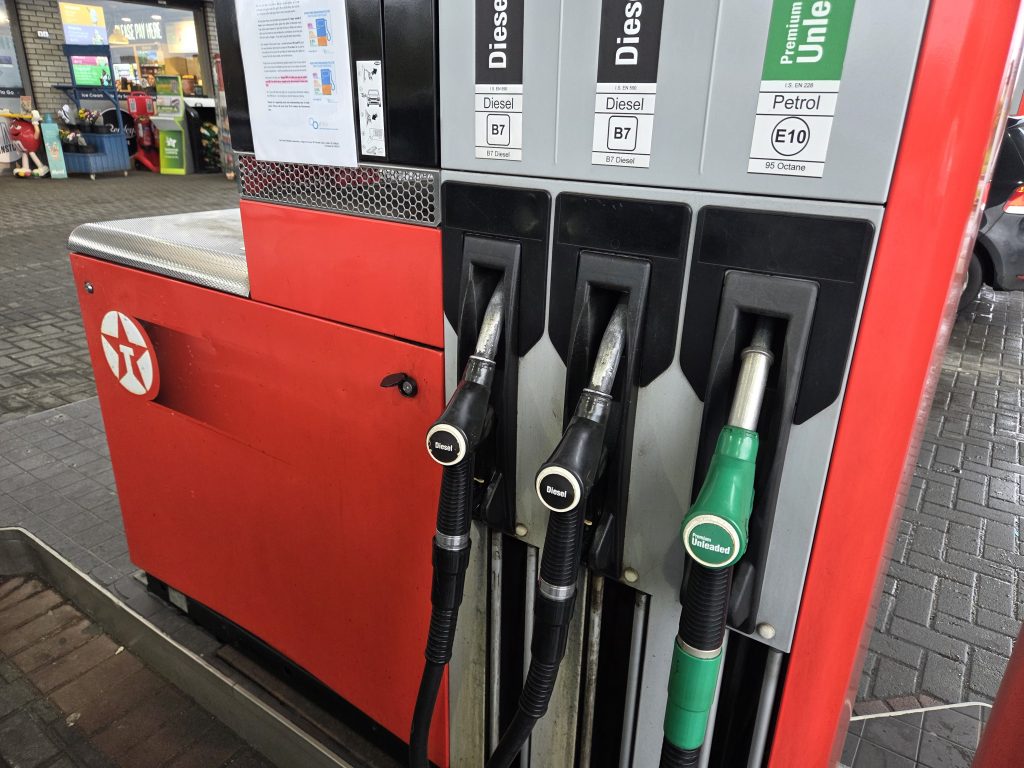
Postponing the planned increase in diesel excise duty would offer welcome relief, but it will not be enough to protect Irish hauliers from the current fuel crisis, the Irish Road Haulage Association (IRHA) has warned.
IRHA president Ger Hyland raised the industry’s concerns during a meeting with Tánaiste and Minister for Finance Simon Harris ahead of Budget 2027. Hyland said he was given the impression that the Government may extend the existing petrol and diesel excise cuts beyond 1 November, when they are due to begin being unwound. He stressed that no commitment was made.
Harris has also indicated that restoring excise duty while fuel prices remain elevated may be unwise. The final decision rests with the Government as it prepares the Budget.
For hauliers, preventing another increase at the pumps is only part of the answer. Hyland told RTÉ that the industry needs direct support in addition to continued excise relief, warning that many transport businesses become unviable when diesel rises above €1.90 per litre. He said some operators are now facing prices above €2.10.
The pressure is particularly acute for operators working under contracts agreed before the latest fuel increases. Diesel bills rise immediately, while transport rates can take far longer to renegotiate. Even where a fuel surcharge is possible, it may not recover the full increase or provide relief quickly enough for a business facing an immediate cash-flow squeeze.
Hyland warned that some hauliers may soon have to decide whether to park vehicles or cease trading. He said the IRHA would continue engaging with the Government, but did not rule out further fuel protests if operators are left without sufficient support.
Budget 2027 must therefore answer two separate questions for the haulage industry: will the November excise increase be postponed, and what direct assistance will be available to operators already struggling at today’s diesel prices?
An excise extension would stop the Government adding to the problem. The IRHA’s warning is that, on its own, it would do little to reduce the fuel costs hauliers are paying now.