Irish hauliers carrying dangerous goods have until the end of June 2027 under a general transition to update their procedures for the new edition of ADR. The changes affect how some battery loads are classified and marked, how drivers can complete ADR training, and how certain trucks and trailers must be specified.
ADR 2027, the latest edition of the international agreement governing the carriage of dangerous goods by road, takes effect on 1 January 2027. Operators can generally continue to use ADR 2025 until 30 June 2027. From 1 July 2027, they should plan to work to the new edition, taking account of any specific transitional provisions for their equipment or loads. Irish regulations apply ADR’s technical requirements to domestic journeys as well as international road transport.
New UN numbers for containerised battery loads
One of the main changes affects batteries installed in cargo transport units, including containerised energy storage systems. The existing UN 3536 entry will cover lithium-ion batteries installed in these units. Two new entries cover lithium-metal batteries (UN 3563) and sodium-ion batteries (UN 3564) installed in cargo transport units. The new edition also introduces provisions for hybrid batteries and repaired or refurbished batteries.
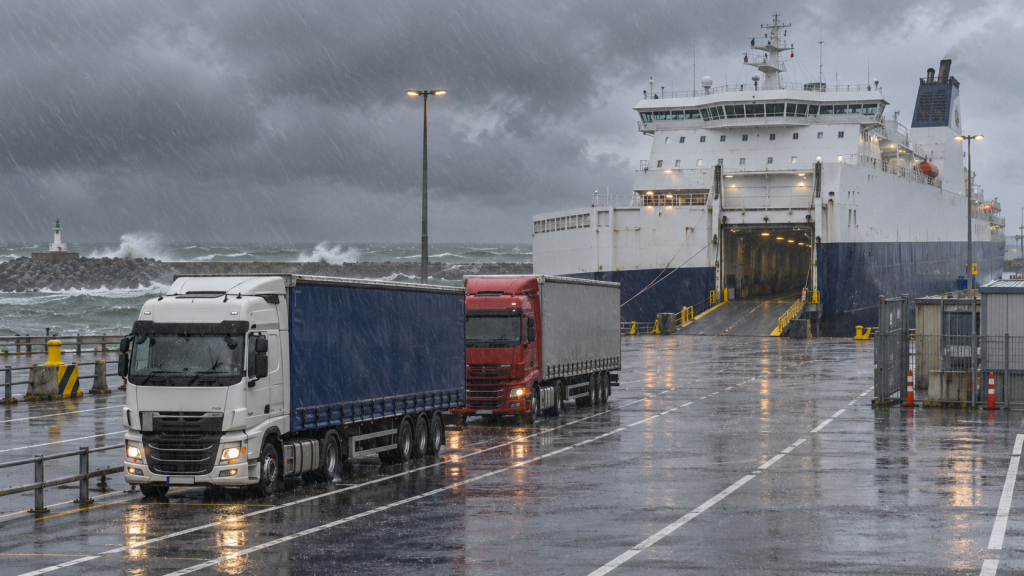
Hauliers taking on this work should ask consignors to confirm the classification and have their Dangerous Goods Safety Adviser (DGSA) review the transport documents, placards and orange plates required for the load. Where the journey includes a ferry to Britain or continental Europe, operators should also check the applicable International Maritime Dangerous Goods (IMDG) Code provisions and the ferry operator’s booking and declaration requirements before dispatch.
More flexibility for ADR driver training
Initial ADR training can include live remote teaching under the new rules. Refresher courses can also incorporate self-paced e-learning, although the theory cannot be delivered entirely in that format. Individual practical exercises must still take place in person. Transport managers planning driver renewals should check which formats their approved training provider will offer in Ireland.
- Every key deadline: diesel rebate, fuel excise, carbon tax
- Tick-box checklist for tacho, CVRT, CPC & operator licence
- Where drivers get caught at RSA roadside checks
Tyre pressure monitoring for certain ADR vehicles
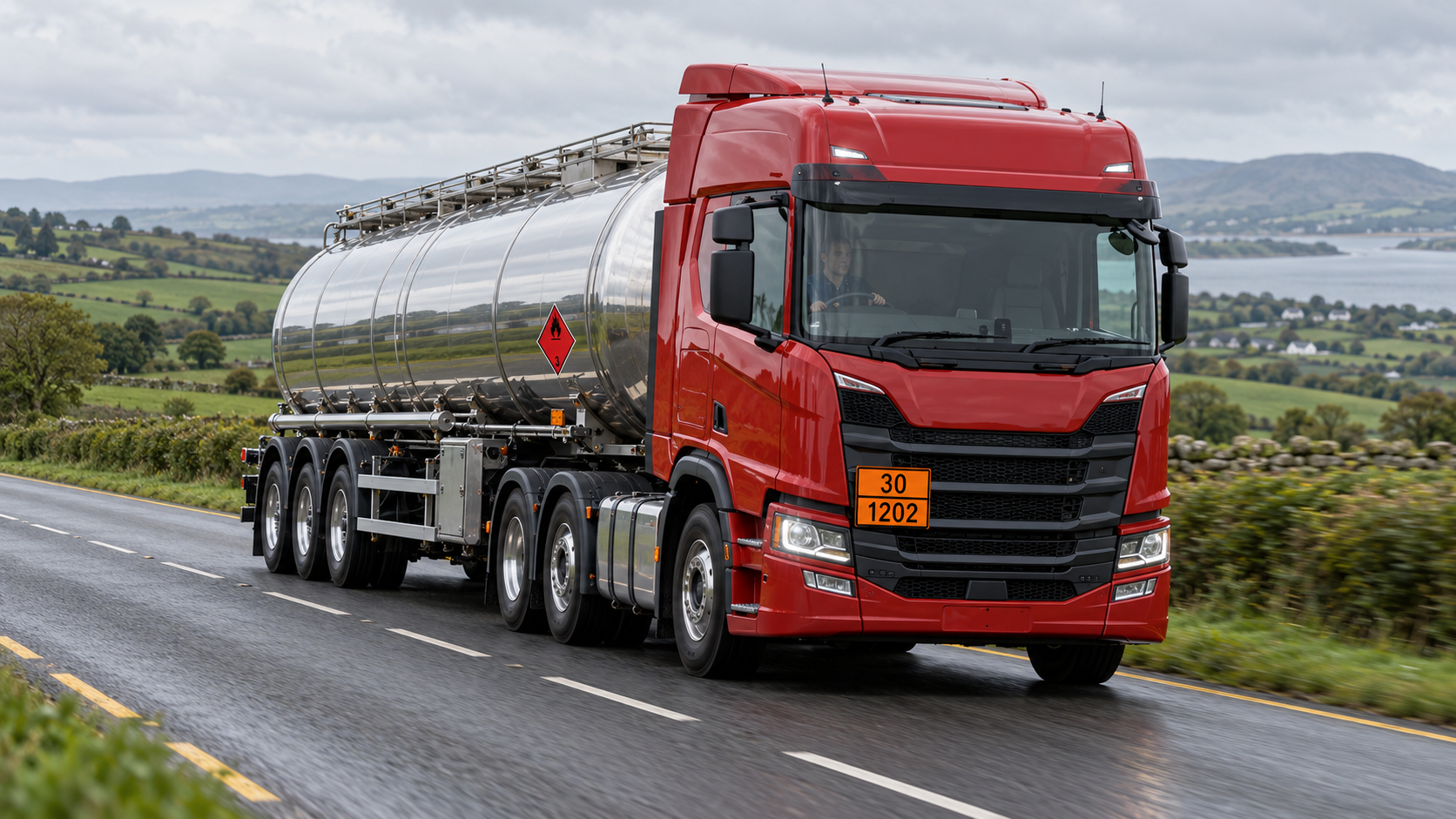
The new edition introduces a tyre pressure monitoring requirement for motor vehicles and trailers in the EX/II, EX/III, FL and AT approval categories first registered after 1 July 2027. Where registration is unnecessary, the date the vehicle enters service applies. Operators ordering equipment for delivery around that date should confirm the ADR approval category and tyre pressure monitoring specification with the supplier.
Tanker operators should also review the approval and inspection records for their existing equipment. Some tanks have separate transition dates. For example, tanks approved under both ADR Chapters 6.7 and 6.8 will move to a single approval at the first applicable periodic inspection after 1 July 2031.
A practical starting point is to give the company’s DGSA a list of the UN numbers it regularly carries, along with any new vehicle orders and tank inspections due in 2027. That review can identify which transport documents, vehicle specifications and ferry booking procedures need updating before the transition ends.