European truck manufacturers are calling on the EU to raise drive-axle weight limits for zero-emission HGVs, warning that battery-electric trucks could still lose payload even if Brussels allows them to run at higher gross weights. For Irish hauliers carrying dense loads, the outcome could determine how many tonnes an electric artic can carry on each trip.
The European Automobile Manufacturers’ Association (ACEA) renewed its call on 19 November as EU negotiators consider changes to the Weights and Dimensions Directive. It wants higher axle and gross weight allowances for common fleet configurations, including 4×2 tractor units and five-axle combinations. ACEA estimates that two-axle 4×2 configurations account for around three-quarters of the European long-haul market.
Why the drive axle matters
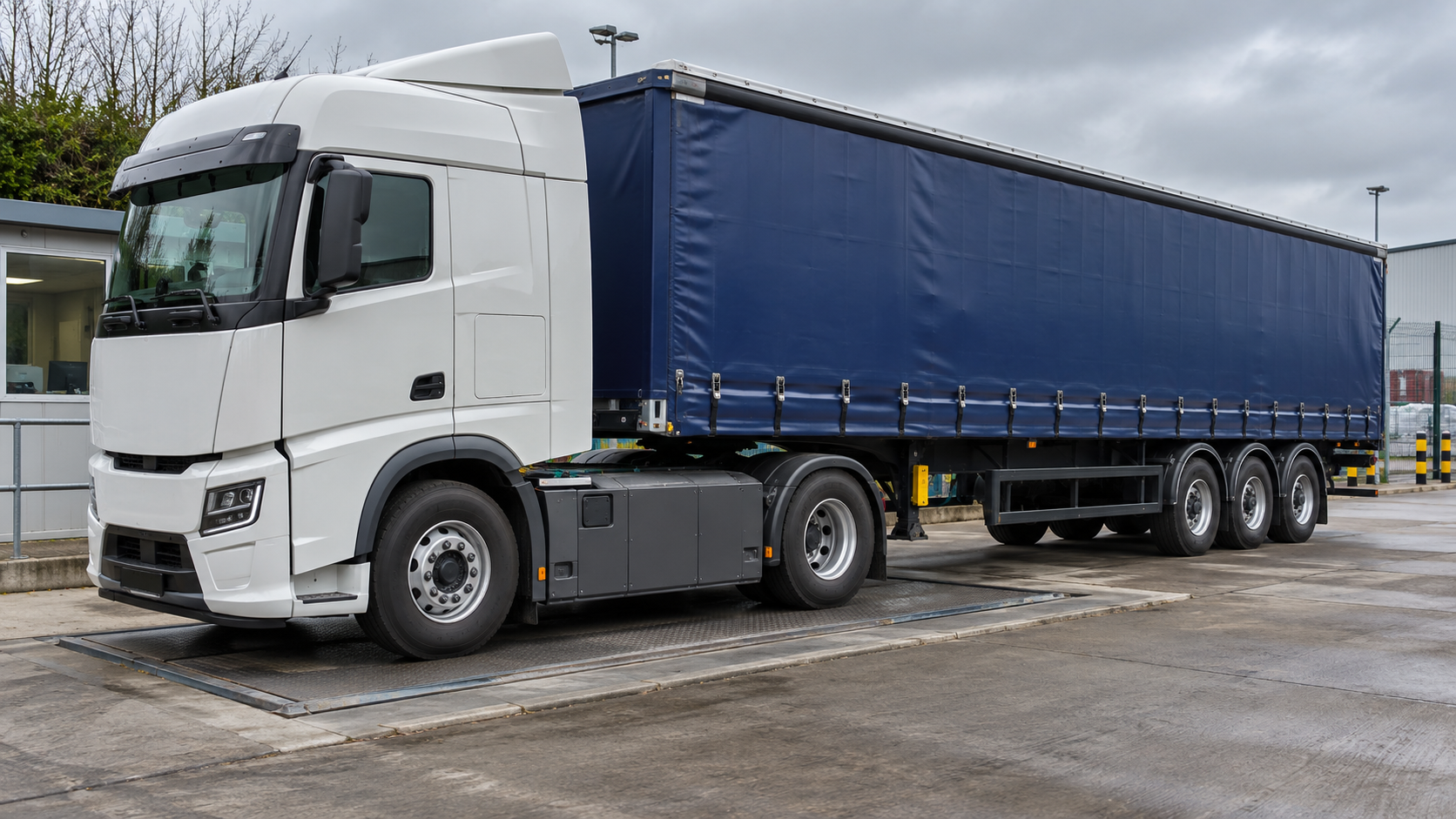
A 4×2 tractor unit has one driven axle. ACEA argues that retaining the current EU drive-axle limit of 11.5 tonnes could prevent many zero-emission trucks from using the extra gross weight allowance intended to compensate for heavier equipment such as batteries. A combination can reach the limit on its drive axle while it still has weight to spare under its overall limit. At that point, the distribution of the load determines whether the operator can use the remaining capacity.
That distinction matters when an operator prices work by the tonne or plans a contract around a fixed load. If an electric artic regularly carries less freight than the diesel vehicle it replaces, the operator may have to spread the same tonnage over more trips. A fleet that usually fills the trailer before reaching its weight limits may see less of an impact.
Electric truck uptake varies sharply across Europe
ACEA says zero-emission vehicles accounted for 2.5% of new truck sales in the over-16-tonne segment in the first nine months of 2026. Around one in ten new trucks was zero-emission in the Netherlands and Sweden, compared with fewer than one in 300 in Poland, Italy and Spain. The manufacturers’ association says payload is one of several factors shaping the business case, alongside energy prices and operating costs.
- Every key deadline: diesel rebate, fuel excise, carbon tax
- Tick-box checklist for tacho, CVRT, CPC & operator licence
- Where drivers get caught at RSA roadside checks
What Irish hauliers should watch
The higher limits remain an industry proposal. The EU negotiating round originally scheduled for 10 November was postponed until at least late November. Negotiators are also still considering when 44-tonne combinations could operate across borders, a separate question from how much weight a zero-emission tractor can carry on its drive axle.
For Irish fleets assessing an electric artic, the practical comparison is the usable payload of the tractor and trailer on a typical job, taking account of both axle and gross weight limits on the intended route. The next EU negotiating round will show whether lawmakers are prepared to raise both limits for the configurations hauliers already use.