The International Road Transport Union (IRU) has called for extended EU fuel-crisis support and enforceable 30-day payment terms, warning that rising diesel costs and overdue invoices are weakening transport operators’ finances.
In an appeal to European Commission President Ursula von der Leyen, IRU is seeking a one-year extension of the Middle East Crisis Temporary State Aid Framework until 31 December 2027, while retaining its existing provisions for road transport. It also wants a dedicated EU regulation limiting payment periods in commercial road transport to 30 days, backed by effective enforcement.
For Irish hauliers, the two requests address connected pressures: the cost of completing a delivery and the length of time an operator must wait to receive payment.
Thin margins leave little room for fuel shocks
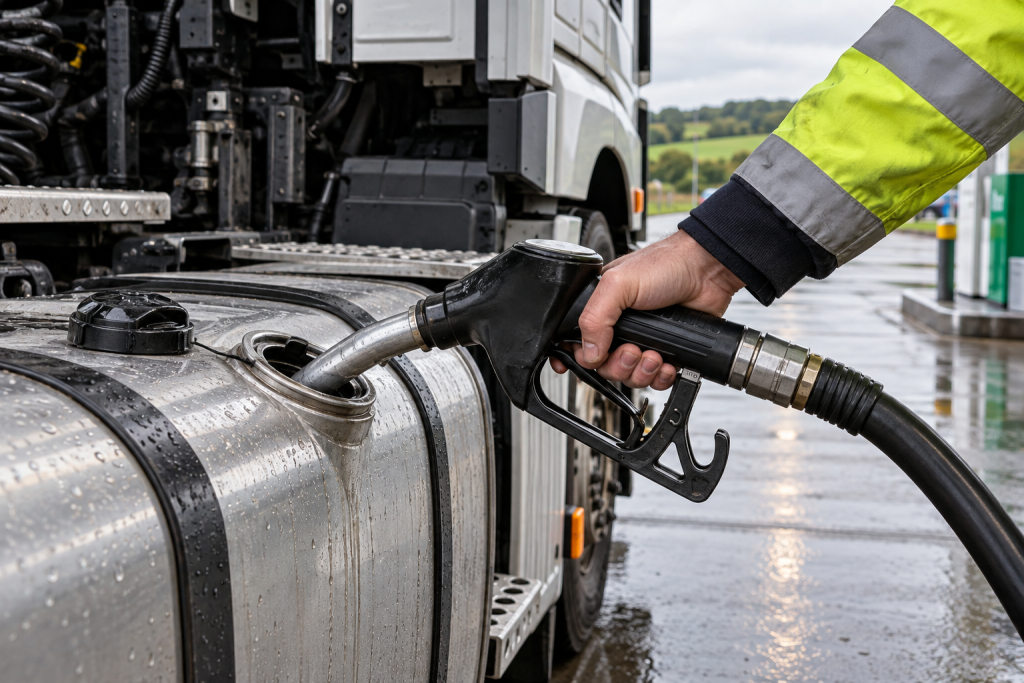
According to IRU, fuel accounts for around 30% of operating costs, while many operators work on margins of just 1–3%. Secretary General Habib Turki warned that smaller businesses frequently lack the financial reserves needed to absorb sharp diesel-price increases.
“Late payments further weaken their financial resilience,” he said.
The practical risk is that a haulier can have a full order book while struggling to fund the work. Diesel, wages and other operating bills must be covered while money for completed journeys remains outstanding.
Higher fuel costs can widen that funding gap. Even where a customer accepts a surcharge, the operator may still have to finance the additional expense until the invoice is settled.
Faster payment would support working capital
A shorter payment cycle could reduce the amount of working capital tied up in completed deliveries. It would not remove the need for commercially sustainable haulage rates, but it could help operators meet immediate costs without relying as heavily on borrowing.
For illustration, reducing an agreed payment period from 60 days to 30 days would bring the contractual payment date forward by a month. Whether that improves cash flow in practice depends on customers paying on time—making enforcement central to any reform.
Industry demands await EU decisions
The latest appeal comes amid protests and spontaneous blockades in several EU countries. IRU has distanced itself from those actions, favouring dialogue and targeted support to keep transport services operating.
Both measures remain IRU requests, rather than newly agreed EU entitlements or obligations.
Irish operators should therefore continue to manage credit limits, overdue accounts and fuel-adjustment clauses against their current arrangements. The next development to watch is whether the Commission advances either request—and what any resulting measures would mean for support available in Ireland and payment practices across haulage contracts.