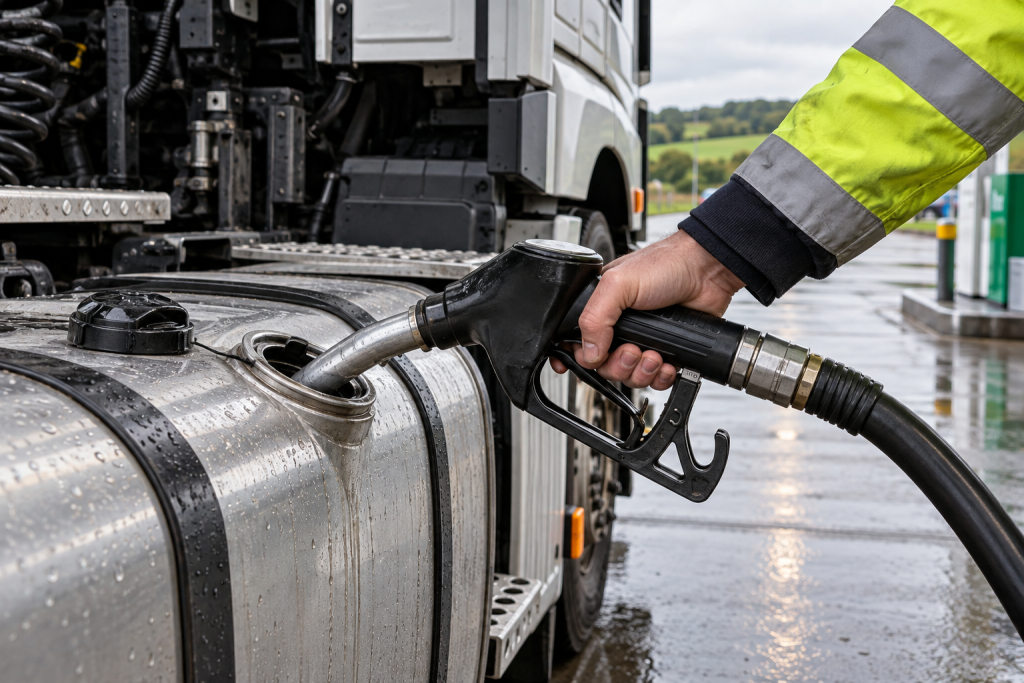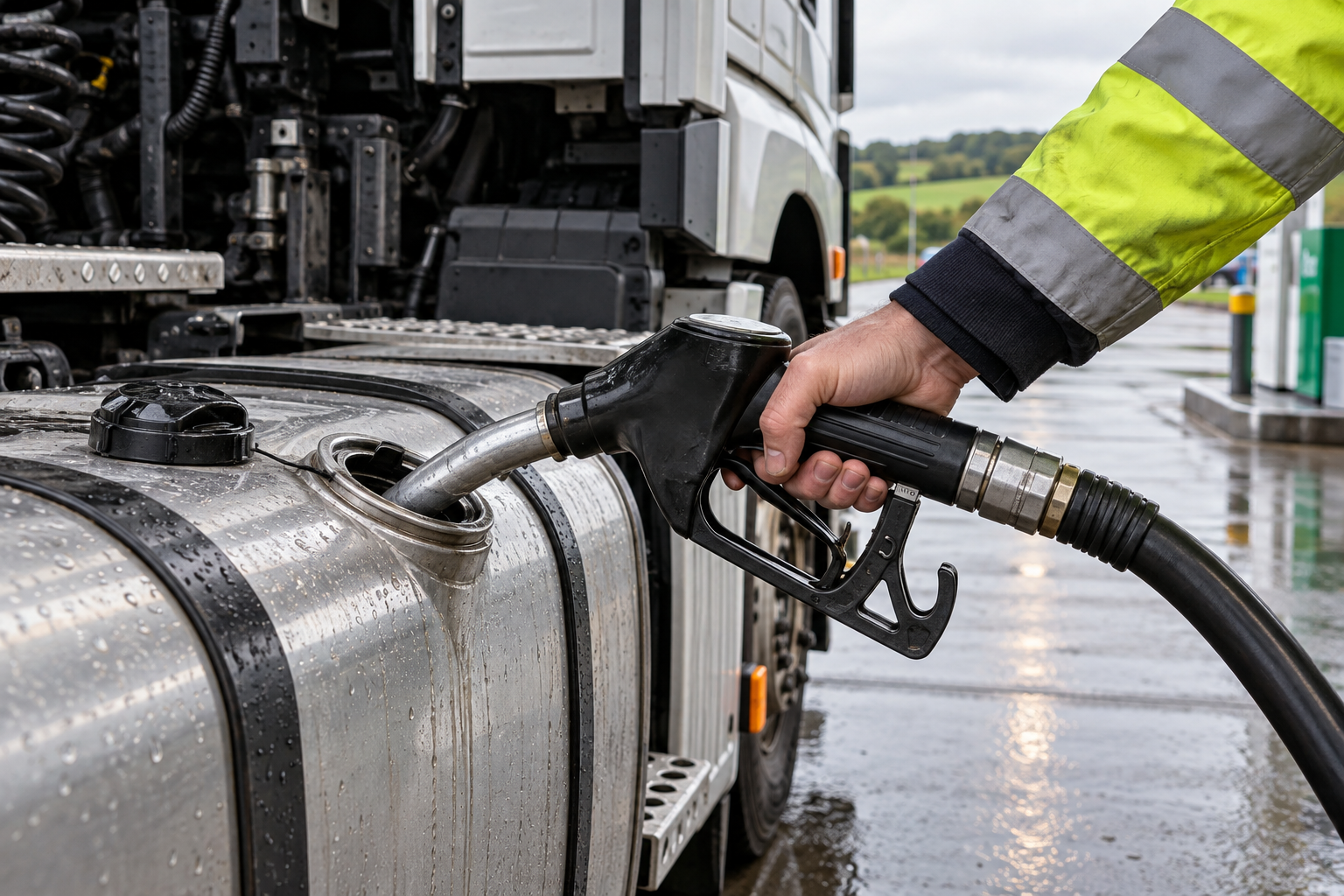
European diesel supplies remain tight, but there is currently no physical shortage of the fuel, according to the European Commission.
The distinction will offer some reassurance over availability, but it provides little comfort to Irish hauliers paying more than €2 per litre and attempting to price transport contracts in an exceptionally volatile market.
The European Commission’s Oil Coordination Group met on 21 October with representatives from EU countries, the International Energy Agency and the Energy Community.
Following the meeting, the Commission confirmed that diesel and jet-fuel markets remain tight because of continuing geopolitical uncertainty. However, it said there was no physical shortage of either product in Europe at present.
The Commission will continue monitoring supplies with EU governments and the IEA because further disruption remains possible. energy.ec.europa.eu
Diesel remains above €2 per litre
Avoiding an outright shortage does not mean prices are returning to normal.
The European Commission’s Weekly Oil Bulletin put the EU weighted-average diesel price at approximately €2.139 per litre on 19 October. Ireland’s reported national average was marginally lower at €2.137 per litre, including taxes.
Irish diesel was approximately 23 per cent more expensive than it had been in the week of 23 February 2026. European Commission
For an articulated truck using 2,000 litres of diesel per month, a 40-cent increase adds €800 to the monthly fuel bill before any associated VAT or cash-flow effects are considered.
Operators working under fixed-price contracts are particularly exposed where fuel-surcharge arrangements are absent, delayed or based on an index that does not reflect current purchasing costs.
Emergency action supporting availability
The latest Commission assessment suggests that emergency coordination and stock releases are helping to protect physical availability.
The IEA has been accelerating the release of fuel stocks remaining under the emergency action agreed earlier in 2026. The European Commission has also announced a strategic dialogue with EU refineries to examine production capacity and the pressures facing the refining sector.
These measures may prevent a supply interruption or a more severe price increase. They do not guarantee that wholesale or Irish pump prices will fall quickly.
Ireland previously participated in international discussions on possible diesel-stock releases, reflecting the country’s exposure as an island economy heavily dependent on imported fuel. reuters.com
RTSS relief remains temporary
The Irish Government has allocated an additional €73 million to extend the Road Transporters Support Scheme for September and October.
The extension provides further assistance to eligible haulage and passenger-transport operators, but the scheme has not reopened for new applications. gov.ie
That leaves a wider question for Government: what happens if diesel remains above €2 per litre after the present extension has run its course?
A market can be adequately supplied and still be commercially damaging. For hauliers, fuel sitting in the tank is only useful if the cost can be recovered from the customer.
Operators should therefore continue reviewing fuel-surcharge clauses, using a clearly identified diesel index and shortening the period between price movements and surcharge adjustments.
The immediate danger of pumps running dry may have receded, but the risk to margins, cash flow and contract viability remains firmly in place.