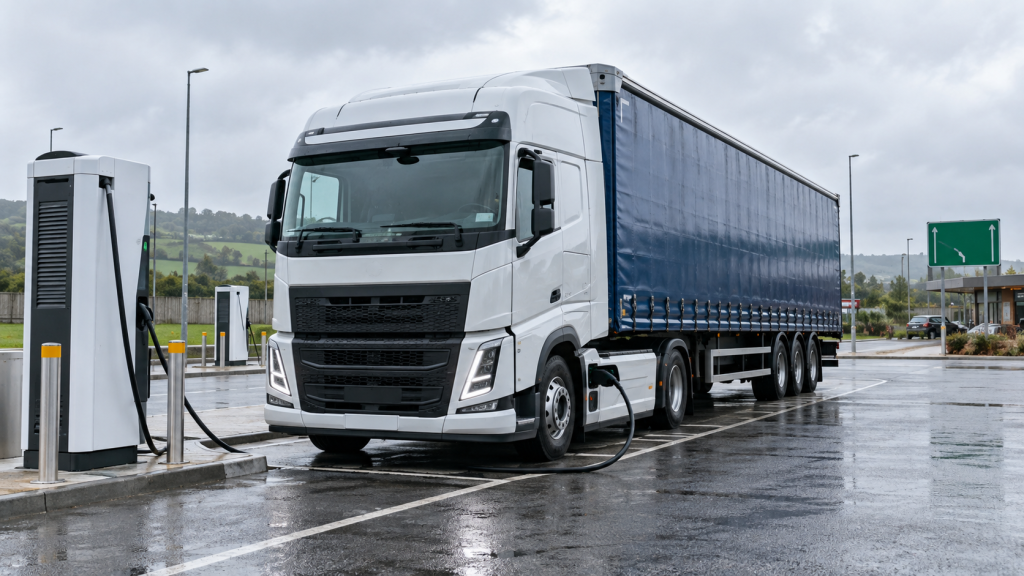
The HGV driver shortage in Ireland is a long-term issue driven by an ageing workforce, high training costs, poor work-life balance, increasing regulatory requirements, and competition from other sectors. Solving it will require a combination of industry and government initiatives, writes John Loughran.
Here are some of the most practical solutions:
1. Reduce the Cost of Driver Training
One of the biggest barriers is the €3,000–€5,000 cost of obtaining an HGV licence and the required Driver CPC qualification.
Possible solutions include:
- Government-funded training grants.
- Employer-sponsored licence schemes.
- Tax relief on training costs.
- Expansion of apprenticeship-style programmes.
2. Improve Pay and Benefits
Although wages have improved, many drivers still believe they do not adequately reflect the responsibilities of the job.
Employers could offer:
- Competitive salaries.
- Performance and safety bonuses.
- Pension contributions.
- Health insurance.
- Attendance and loyalty bonuses.
3. Improve Working Conditions
Long hours and nights away from home discourage new entrants.
Measures include:
- More predictable schedules.
- Better route planning.
- Greater use of relay driving.
- Increased availability of secure truck parking.
- Investment in modern, comfortable vehicles.
4. Attract Younger Drivers
The average age of HGV drivers in Ireland continues to rise.
The industry should:
- Promote logistics careers in schools and colleges.
- Create graduate and apprenticeship pathways.
- Highlight opportunities beyond driving, including transport management and fleet operations.
- Use social media to improve the industry’s image.
5. Encourage More Women into the Industry
Women remain significantly underrepresented in road transport.
Initiatives could include:
- Female-focused recruitment campaigns.
- Improved depot and roadside facilities.
- Flexible working arrangements.
- Mentoring programmes.
6. Recruit International Drivers
Ireland can help address immediate shortages by recruiting qualified drivers from overseas.
This requires:
- Faster recognition of overseas licences where appropriate.
- Streamlined employment permit processes.
- Relocation support.
- Language and integration assistance.
7. Invest in Technology
Technology cannot replace drivers, but it can make their jobs easier and more attractive.
Examples include:
- AI-powered route optimisation.
- Electronic proof of delivery.
- Telematics.
- Driver assistance systems.
- Digital paperwork.
Reducing administrative burdens allows drivers to spend more time driving productively.
8. Improve Driver Retention
Retaining experienced drivers is often more cost-effective than recruiting new ones.
Successful employers focus on:
- Career progression.
- Recognition programmes.
- Continuous professional development.
- Open communication with drivers.
- Wellbeing and mental health support.
9. Address Infrastructure Challenges
Government investment can make the profession more attractive by improving:
- Secure overnight parking.
- Rest facilities.
- Road infrastructure.
- Charging and refuelling infrastructure for low-emission HGVs.
10. Raise the Industry’s Profile
The haulage industry is essential to Ireland’s economy but often receives little public recognition.
Industry organisations and employers should promote:
- The vital role drivers play in keeping supply chains moving.
- Career opportunities.
- New technologies and sustainability initiatives.
- Success stories from younger drivers.
Long-Term Outlook
The shortage is unlikely to be solved by a single measure. The most effective strategy combines:
- Lower training costs.
- Better pay and working conditions.
- Improved work-life balance.
- Investment in technology.
- Recruitment of younger and more diverse drivers.
- Stronger government support.
With freight demand expected to remain strong and an ageing driver workforce approaching retirement, proactive action is essential if Ireland is to maintain a resilient and efficient road transport sector.