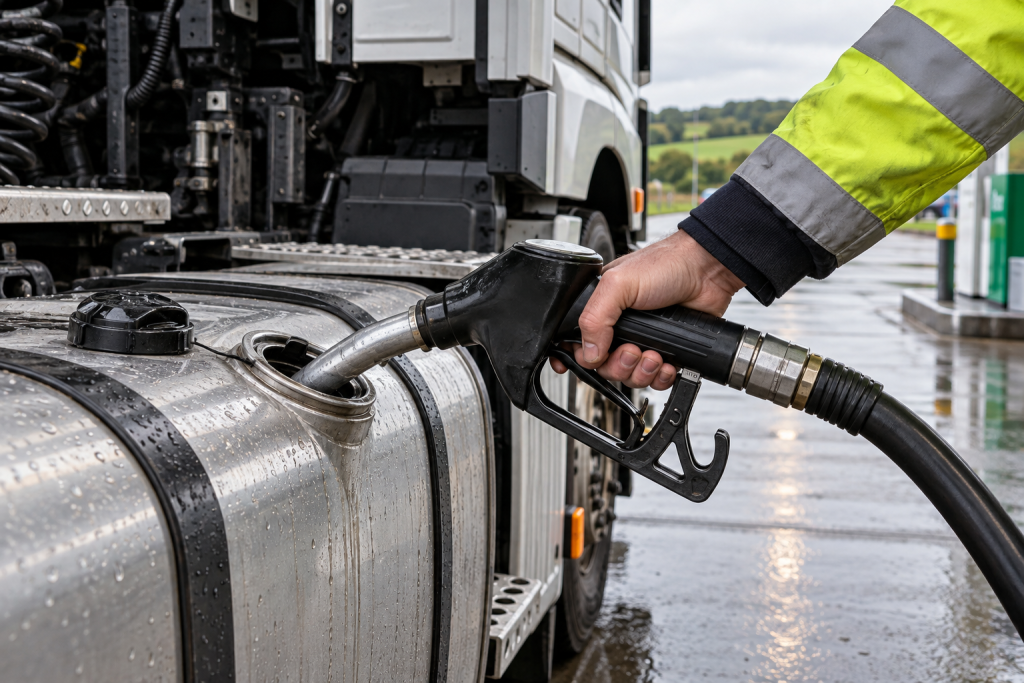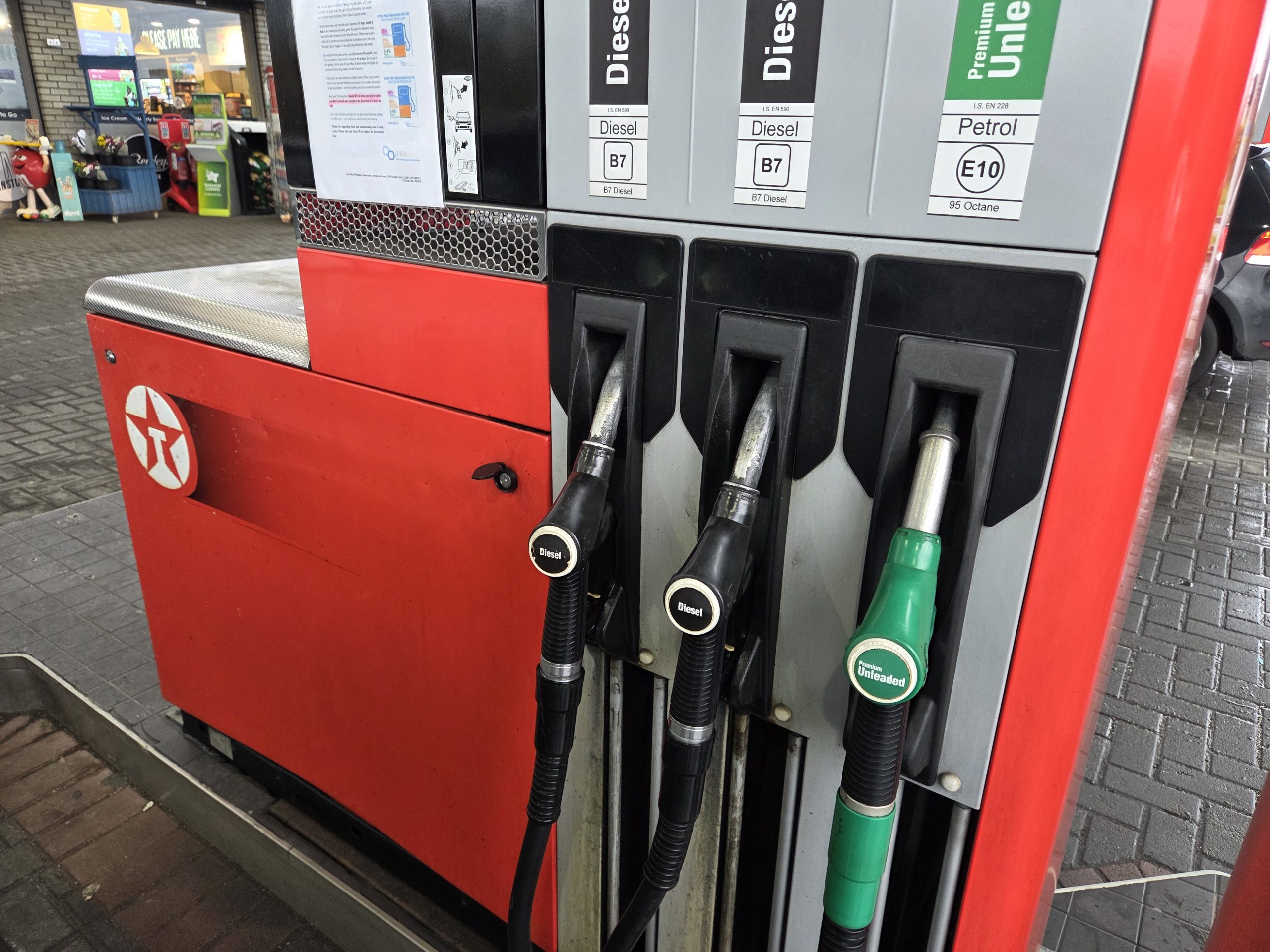
With diesel prices remaining stubbornly high, despite recent excise reductions, truck drivers are being urged to examine their driving style, in a bid to save fuel.
Driving a truck more sustainably isn’t just good for the environment—it can also cut fuel costs and reduce wear on the vehicle. Here are some practical, high-impact eco-friendly driving tips:
Smooth Driving Habits
Avoid aggressive acceleration and hard braking. Gradual speed changes keep fuel consumption lower and reduce emissions. Using momentum wisely—especially on hills—can make a noticeable difference.
Maintain Steady Speeds
Cruising at a consistent speed improves fuel efficiency. If your truck has cruise control, use it on long, flat stretches to avoid unnecessary fuel burn.
Reduce Idling
Long idling periods waste fuel and increase emissions. Turn off the engine if you’re stopped for more than a minute or two (unless required for safety or extreme weather conditions).
Optimize Gear Shifting
Shift gears at the right time—usually at lower RPMs for fuel efficiency. Modern trucks often have indicators to guide optimal shifting.
Keep Tyres Properly Inflated
Underinflated tyres increase rolling resistance, which means your engine has to work harder. Check tire pressure regularly to stay within recommended levels.
Lighten the Load
Extra weight means extra fuel consumption. Remove unnecessary cargo and equipment when possible, and distribute weight evenly for better efficiency.
Plan Efficient Routes
Avoid traffic congestion, roadworks, and unnecessary detours. Route planning tools can help reduce mileage and idle time.
Regular Maintenance
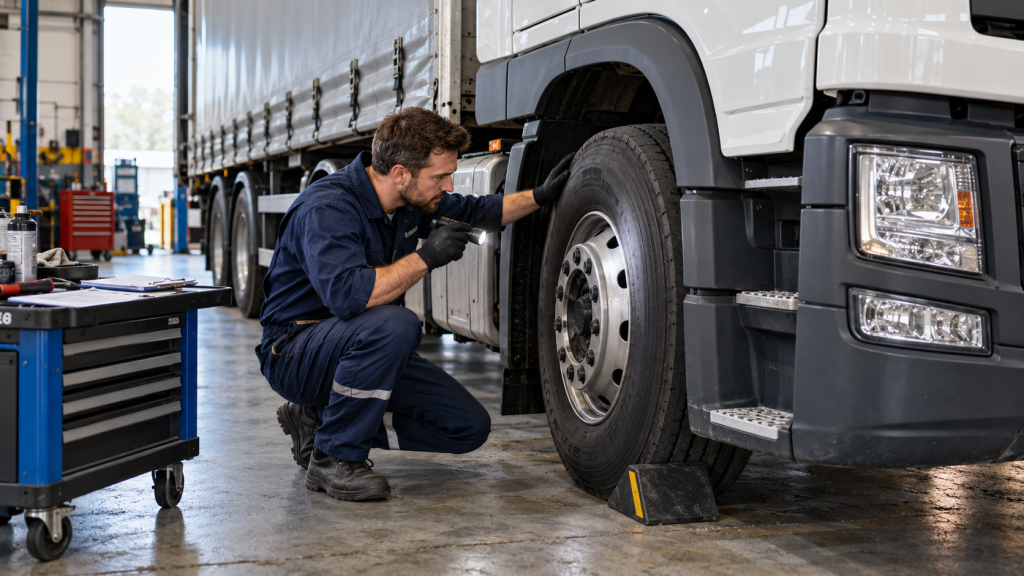
A well-maintained truck runs more efficiently. Keep up with oil changes, air filter replacements, and engine tune-ups to ensure optimal performance.
Use Aerodynamics to Your Advantage
Roof fairings, side skirts, and keeping windows closed at high speeds can reduce drag and improve fuel economy.
Consider Alternative Technologies
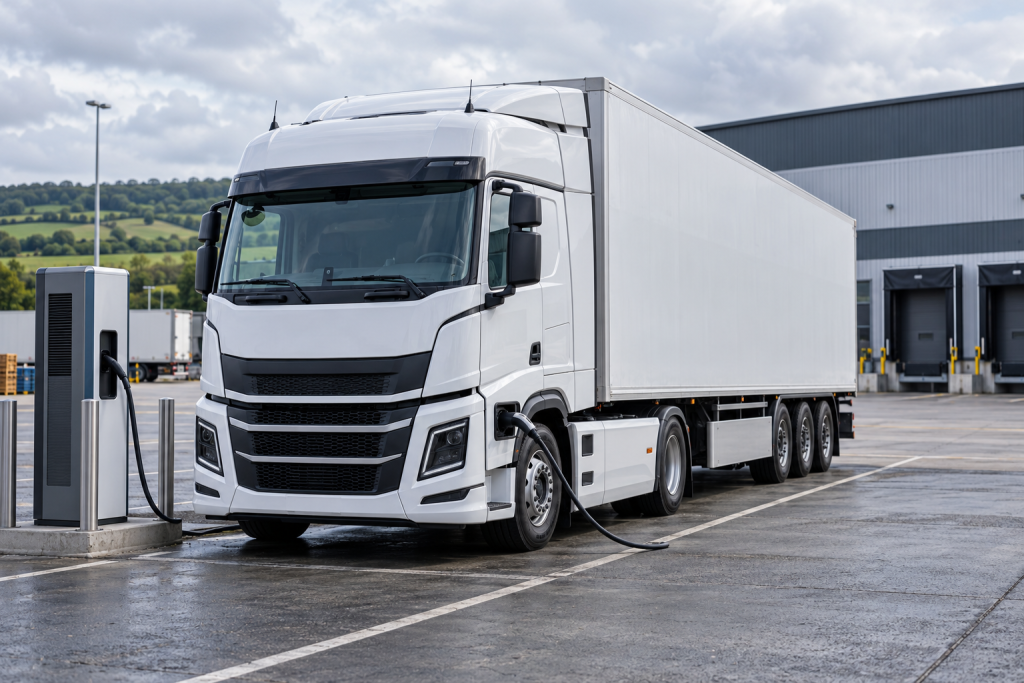
If possible, explore newer fuel-efficient or electric truck models, or alternative fuels like biodiesel. Even incremental upgrades can make a difference over time.