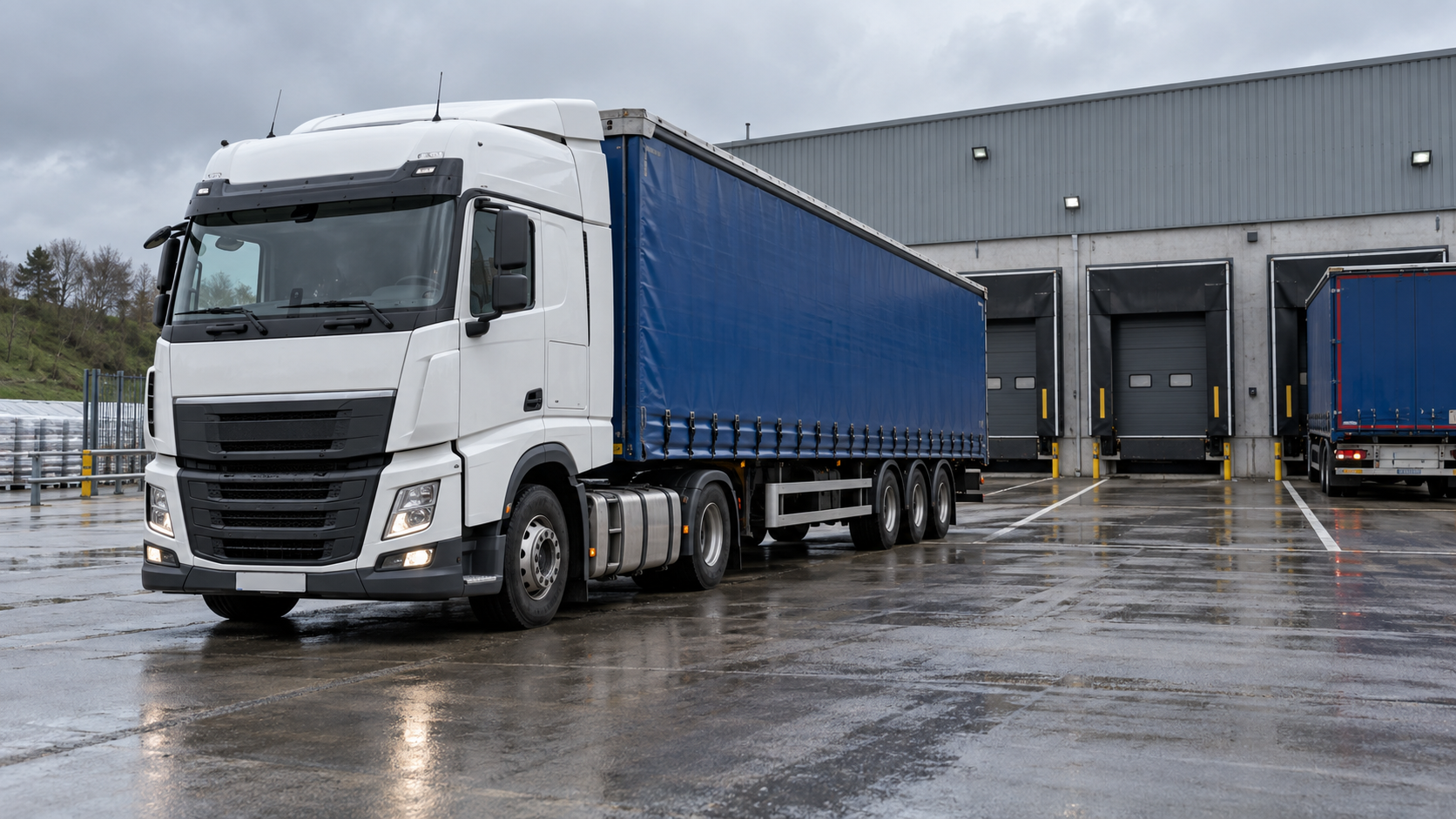
A truck arrives on time, but the loading bay is occupied. The driver checks in and is told to wait. An hour becomes two, the next delivery slips and a planned return load is put at risk.
For the customer, it may be a delay in the warehouse. For the haulier, it is time, money and capacity that cannot be recovered.
With operating margins under pressure, HGVIreland.com examines a question that deserves more attention: who pays when the truck is kept waiting?
A stationary truck still costs money
The wheels may have stopped turning, but the bills continue.
Driver wages, vehicle finance, insurance and other overheads remain payable while a truck sits outside a factory, warehouse or distribution centre. Refrigerated equipment may also need to keep running.
The financial impact can extend beyond the delivery itself. A delayed truck may miss another collection, lose a return load or require changes to the following day’s schedule. The transport office then has to rearrange work, contact customers and find replacement capacity.
A job that appeared profitable when booked can become much less attractive once several hours of unplanned waiting are added.
Who should pick up the bill?
Commercially, the case for charging is straightforward: a customer is using the haulier’s vehicle and driver for longer than the price allowed.
Recovering that cost is easier when waiting-time arrangements have been agreed before the work begins. A haulier should not assume that an unexpected delay automatically entitles it to invoice whichever business operates the delivery site.
The booking customer and the receiving business may be different companies. The agreement needs to establish who is responsible for additional charges and how those charges will be approved.
A clear quotation should explain how much loading and unloading time is included, when additional charges begin, the applicable rate and how delays will be recorded. Any arrangements for missed bookings or deliveries that cannot be completed should also be addressed.
Leaving that discussion until the invoice arrives creates room for disagreement.
Record the delay as carefully as the delivery
A waiting-time claim needs a clear record.
Operators should capture the agreed appointment, arrival and check-in times, when loading or unloading began, and when the vehicle was ready to leave. The reason given for the delay and any messages exchanged with the customer can help explain what happened.
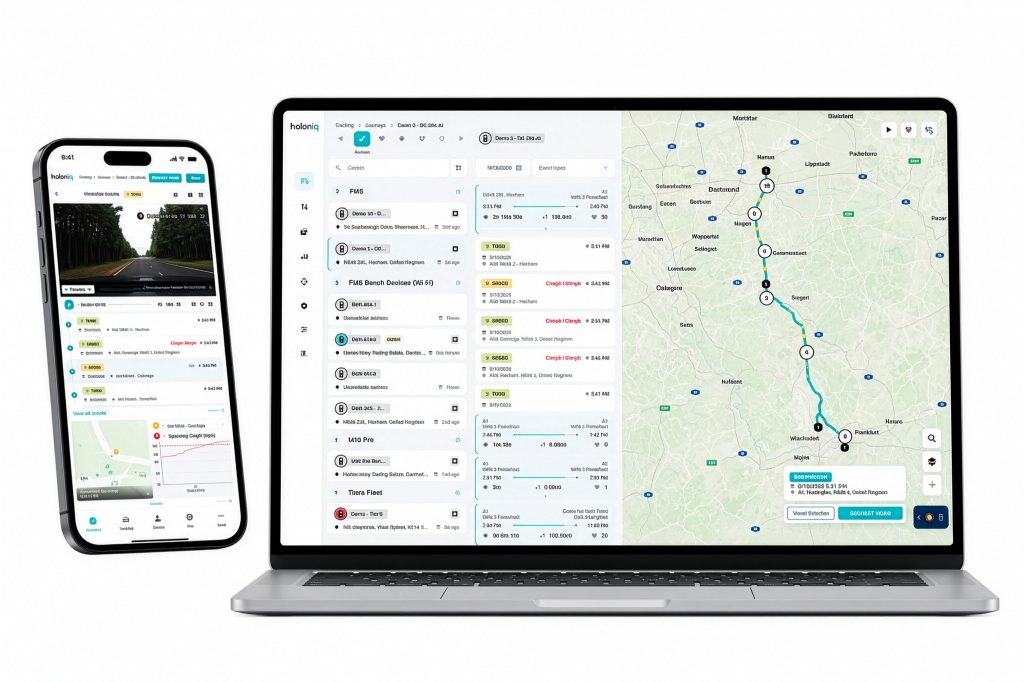
Telematics can support the record, but location data alone may not show why the truck was stationary.
Drivers should notify the transport office promptly when a delay develops. The office can then alert the customer, explain the likely effect on subsequent work and seek agreement on the next step.
That gives the customer an opportunity to intervene while the truck is still waiting.
Count the hours across the fleet
Consider an illustrative fleet of ten trucks, each losing an additional unpaid hour on five working days.
That amounts to 50 vehicle-hours in a week. If the operator calculates an illustrative cost of €50 per vehicle-hour, the weekly exposure is €2,500, before allowing for lost follow-on work.
These are example figures, rather than an industry rate. Each operator needs to calculate its own costs and avoid counting the same expense twice.
The exercise nevertheless shows why waiting time should be measured across the business. Small delays on individual jobs can add up to a substantial loss of productive capacity.
Drivers also carry the burden
Uncertain waiting times make it harder for drivers to plan their day, access facilities and know when they will get home.
The IRU, Global Shippers’ Alliance and International Transport Workers’ Federation have developed a charter aimed at improving driver treatment at collection and delivery sites. It links better working conditions with operational efficiency and the attractiveness of the profession.
For hauliers and their customers, that makes efficient loading and unloading a shared concern. Realistic appointments, clear instructions, prompt communication and access to decent facilities can improve the experience for everyone involved.
Make waiting time part of the price discussion
Some delays are unavoidable. The objective should be to reduce them and agree a fair way of dealing with those that remain.
Operators can start by identifying which sites regularly hold vehicles, how long the delays last and whether the work remains profitable. That evidence provides a stronger basis for negotiating appointment changes, revised rates or waiting-time charges.
Customers also need reliable information. A recurring queue may reveal a scheduling problem that can be fixed before it disrupts more deliveries.
A haulage rate buys an agreed transport service. Where loading and unloading routinely take longer than allowed, that additional use of the vehicle and driver needs to be recognised.
Because when nobody pays explicitly for waiting time, the haulier still pays for it.