Improving truck aerodynamics is one of the most effective ways to cut fuel consumption—especially at highway speeds where air resistance dominates. Here’s how it works and what kind of savings you can realistically expect.
Why aerodynamics matter
At speeds above ~80 km/h, aerodynamic drag becomes the biggest force a truck engine has to overcome. Drag is governed by the drag equation, where resistance increases with the square of speed. That means small improvements in airflow can translate into significant fuel savings.
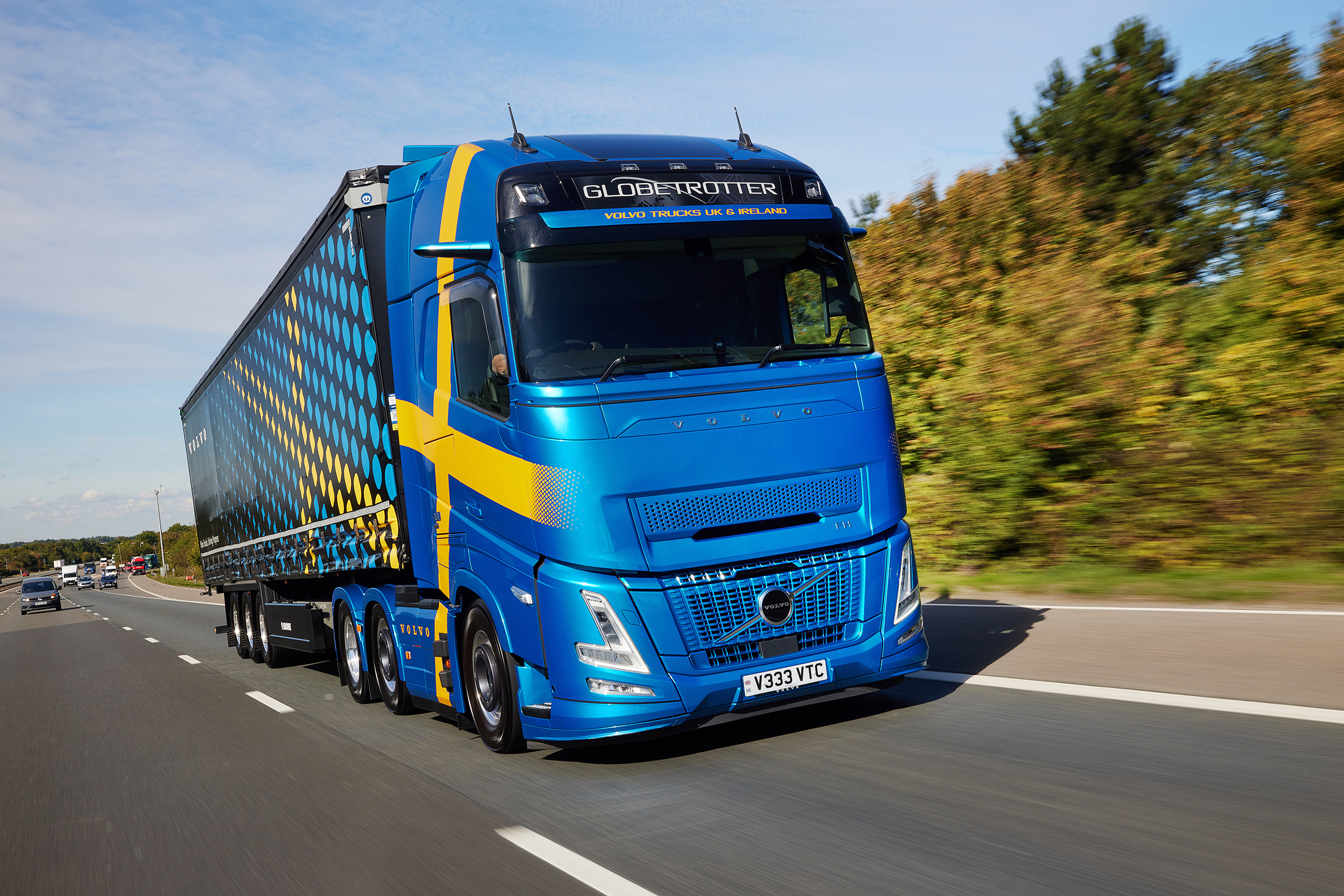
Roof fairings
Mounted on the cab roof, these deflect air smoothly over the trailer.
-
Best for: tractor-trailer combinations
-
Fuel savings: ~5–15%
Side skirts
Panels along the lower sides of the trailer reduce turbulent airflow underneath.
-
Fuel savings: ~4–10%
Trailer tails (boat tails)
Extendable panels at the rear of the trailer that reduce the low-pressure wake.
-
Fuel savings: ~3–7%
Gap reducers
Minimize the space between cab and trailer to reduce drag-causing turbulence.
-
Fuel savings: ~2–5%
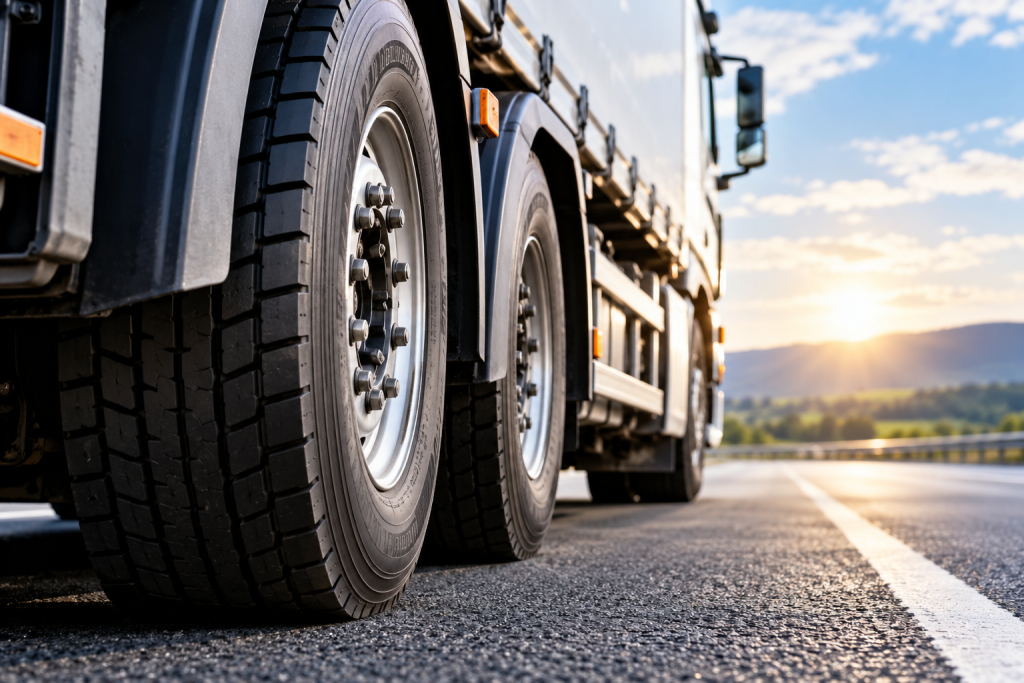
Wheel covers & fairings
Smooth airflow around wheels, which are major drag contributors.
-
Fuel savings: ~1–3%
Combined impact
When multiple aerodynamic devices are used together, total fuel savings can reach:
-
10–25% reduction in fuel consumption on long-haul routes
For a typical heavy-duty truck, that can mean thousands of euros saved annually, depending on mileage and fuel prices.
Real-world considerations
-
Speed matters: Benefits increase with higher speeds; city driving sees less impact
-
Route type: Flat, open highways maximize gains
-
Weather: Wind direction can amplify or reduce effectiveness
-
Maintenance: Damaged or misaligned aero parts reduce efficiency
Emerging innovations
-
Active aerodynamics (adjusting panels in real time)
-
Full trailer enclosures
-
Integration with electric trucks to extend battery range