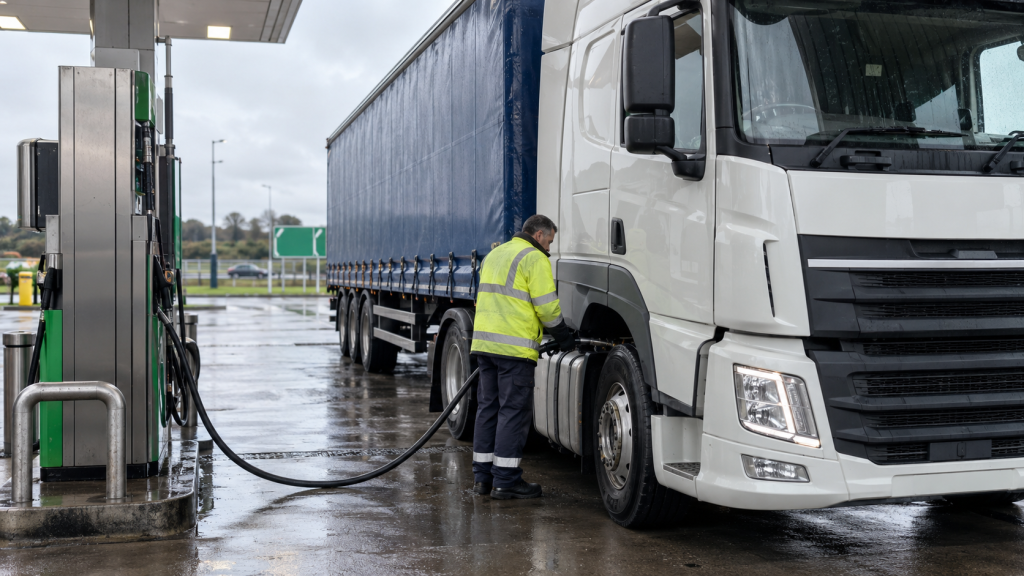
Irish hauliers should review their fleet’s winter readiness, with the Road Safety Authority recommending proper servicing and regular checks of tyres, wipers, lights, screen wash and antifreeze.
Shorter days, heavy rain and road spray place additional demands on drivers and vehicles. Preparing now can help operators address defects before they compromise safety or disrupt deliveries.
The RSA’s winter guidance recommends servicing vehicles ahead of challenging conditions, alongside routine checks to keep them safe on the road.
Give visibility extra attention
For HGV drivers, maintaining a clear view is particularly important when darkness, rain and spray combine.
Wiper blades should clear the windscreen effectively. Smearing, juddering or damaged blades should prompt attention, while washers need to work properly and have an adequate supply of suitable screen wash.
Headlamps, indicators, rear lamps and reflectors should be clean and working. Drivers should include trailer lighting in their checks, as dirt and spray can quickly reduce visibility.
The RSA identifies lights, wipers and fluid levels among the key areas to check when preparing a vehicle for winter.
Keep daily walkaround checks consistent
Winter preparation should support the fleet’s existing maintenance system. A service does not replace daily checks.
- Every key deadline: diesel rebate, fuel excise, carbon tax
- Tick-box checklist for tacho, CVRT, CPC & operator licence
- Where drivers get caught at RSA roadside checks
The RSA’s guidance for commercial vehicle owners calls for a daily walkaround check before a vehicle is driven in a public place, covering both the inside and outside of the vehicle. Operators must also maintain a system of regular inspections and ongoing maintenance, with records of inspections, maintenance and repairs.
For transport managers, this means allowing drivers sufficient time to complete checks and ensuring reported defects receive prompt attention. Safety-critical faults should be rectified before the vehicle returns to service.
Check tyres and winter fluids
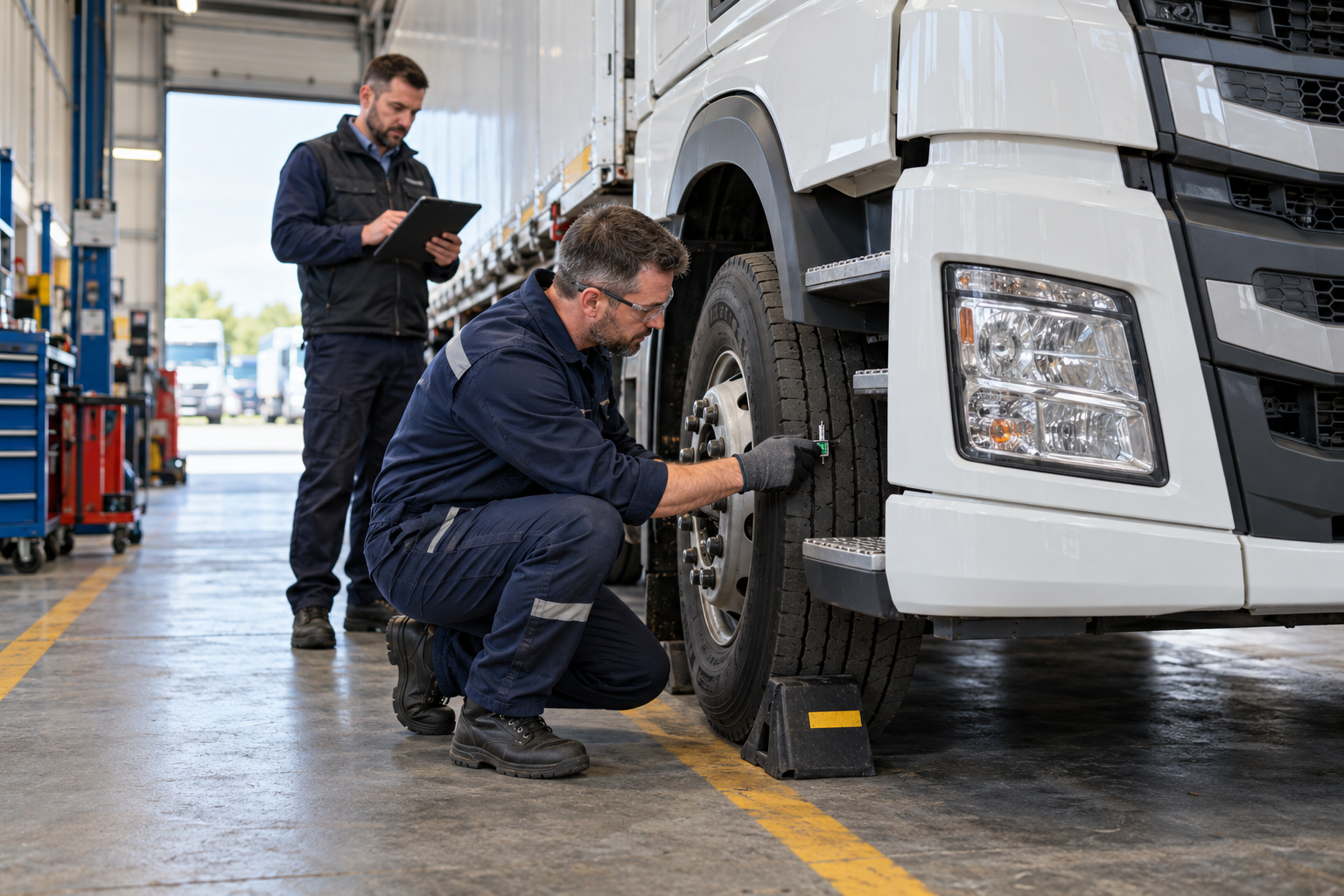
Tyre checks should cover condition, tread and appropriate inflation pressures across the vehicle and trailer. Damage or unusual wear should be referred to the fleet’s tyre provider or maintenance team.
Coolant and antifreeze protection should be checked against the vehicle manufacturer’s specification. Screen wash should also be suitable for the temperatures expected, with supplies available for topping up.
For Irish operators, the practical priority is to build these checks into normal depot routines: confirm servicing is up to date, replenish essential fluids and make sure drivers can report problems promptly.
Winter weather is unavoidable. Sending a properly maintained vehicle onto the road is something every operator can plan for.