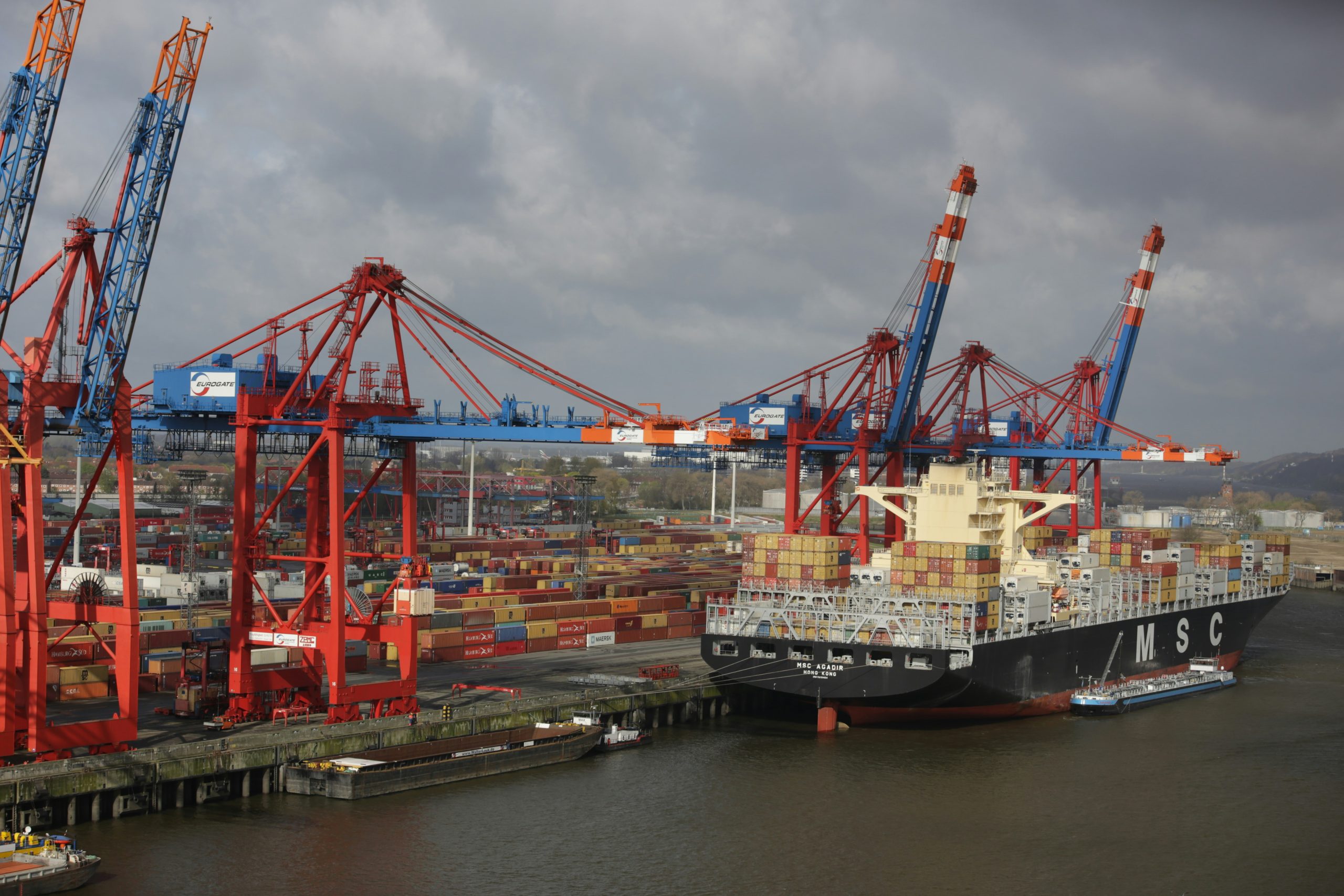
Transport and logistics operate as a connected system rather than isolated sectors. Road haulage, ports, shipping and distribution rely on coordination and shared responsibility. Safety plays a critical role in keeping this system moving. When safety standards vary between environments, risk increases. Consistent training helps bridge those gaps and supports smoother operations across the supply chain.
Daily work in transport often focuses on schedules, loads and compliance. Safety decisions are made quickly, sometimes under pressure. While road safety receives strong attention, risks do not stop at the edge of the highway. Ports, terminals and vessels introduce new hazards that require a broader understanding of safety principles.
Structured learning supports this wider awareness and recognised programmes such as a STCW basic safety training course provide a foundation for understanding emergency response, personal responsibility and risk management in maritime environments. Introducing this knowledge early helps professionals move confidently between transport settings.
Safety responsibilities beyond the road
Many logistics professionals spend part of their working time in or around ports. Vehicle movements mix with pedestrian traffic, heavy equipment operates nearby and access routes can be unfamiliar. These conditions increase the likelihood of incidents if safety awareness is limited to road-based experience.
Responsibilities extend beyond driving. Understanding site rules, recognising alarms and responding appropriately during emergencies all contribute to safer outcomes. Training that broadens safety awareness supports better decisions when entering environments outside routine routes.
The value of recognised safety standards
Recognised safety standards create a shared understanding across industries. When people train to the same benchmark, expectations become clearer. This consistency supports cooperation between operators, port staff and vessel crews.
International standards also build trust. Employers know that trained workers have been exposed to core safety principles and workers gain confidence in their ability to respond under pressure.
Building transferable safety awareness
Transferable safety awareness allows professionals to adapt quickly. Skills such as hazard recognition, communication during incidents and personal survival apply in many settings. Training that focuses on principles rather than narrow tasks supports this adaptability.
How maritime safety training supports wider logistics operations
Maritime safety training introduces concepts that strengthen behaviour across logistics operations. Emergency response training encourages calm decision making. Fire awareness and evacuation principles sharpen situational awareness. First aid knowledge improves readiness when immediate support is limited.
These skills matter in ports where response times can vary. Workers who understand emergency procedures are better prepared to act responsibly and support others until specialist help arrives.
Relevance for drivers and transport operators
Drivers and operators often encounter maritime environments during ferry crossings, port collections, or international routes. Familiarity with maritime safety expectations reduces uncertainty in these settings. It also supports smoother interaction with port authorities and vessel crews.
Career paths in transport can also shift. Some professionals move into offshore support, port operations, or maritime logistics roles. Prior exposure to maritime safety training supports these transitions and broadens employment options.
Maintaining competence through structured learning
Safety competence does not remain static. Regulations change, procedures evolve and operating environments shift. Regular learning helps professionals stay aligned with current expectations and reinforces safe habits.
Structured training also supports consistency across teams. When learning is standardised, variation in behaviour reduces. This consistency improves coordination and lowers the likelihood of misunderstandings during critical moments.
Practical benefits for employers
Employers benefit from a workforce that understands safety beyond minimum requirements. Fewer incidents lead to fewer delays and reduced administrative burden. Training records also support compliance checks and demonstrate commitment to professional standards.
Strengthening safety culture across transport networks
Safety culture develops through shared values and daily actions. When professionals respect safety rules in every environment, trust grows between sectors. This trust supports cooperation during busy operations and complex movements.
Training plays a quiet but important role in shaping this culture. It provides common language and expectations, allowing people from different backgrounds to work together more effectively.
Concluding perspective on long term transport safety
Transport safety depends on preparation that extends beyond individual roles. Logistics professionals operate within networks where actions in one environment affect others. Broad safety awareness supports responsible behaviour and reliable operations.
Recognised learning options such as a STCW basic safety training course contribute to this awareness by reinforcing core principles that apply across maritime and logistics settings. When safety training aligns with real working conditions, it becomes a practical asset for professionals navigating an increasingly connected transport landscape.