Aside from high fuel prices, the Irish haulage industry is facing a range of structural challenges that are affecting profitability, recruitment and long-term sustainability. Many of these issues have been highlighted by the industry itself and by government in recent months.
1. Driver Shortage
One of the biggest challenges is attracting and retaining qualified HGV drivers.
- An ageing workforce, with many experienced drivers nearing retirement.
- High cost of obtaining an HGV licence and Driver CPC.
- Competition from other sectors offering more predictable hours.
- Difficulty recruiting drivers from overseas due to permit and licensing processes.
2. Rising Insurance Costs
Insurance premiums continue to increase despite improved vehicle safety.
Operators cite:
- Higher fleet insurance costs.
- Escalating public liability and employers’ liability premiums.
- Limited competition among insurers.
3. Compliance and Regulatory Costs
Hauliers face an increasing administrative burden through:
- Driver CPC requirements.
- Tachograph regulations.
- Digital smart tachograph upgrades.
- European Mobility Package rules.
- Increased reporting and record keeping.
- Vehicle testing and licensing requirements.
4. Labour Costs
The sector is experiencing:
- Rising wages to attract drivers.
- Increased overtime costs.
- Growing demand for mechanics and transport managers.
For many operators, payroll has become the largest expense after fuel.
5. Pressure on Margins
Many haulage companies operate on very small profit margins.
Challenges include:
- Customers resisting rate increases.
- Long-term contracts that don’t reflect rising costs.
- Larger operators competing aggressively on price.
6. Road Tolls and Port Charges
Operators have voiced concerns over:
- Increasing motorway tolls.
- M50 toll costs.
- Rising charges at Irish ports.
- Congestion delays that reduce productivity.
7. Transition to Low-Carbon Transport
Environmental targets present both opportunities and challenges.
Issues include:
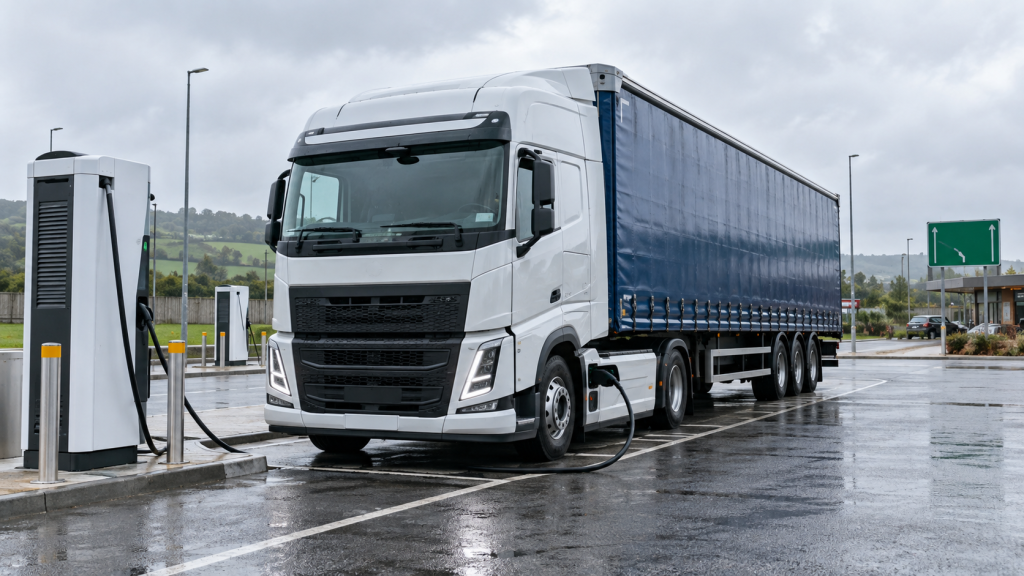
- High purchase cost of electric and hydrogen trucks.
- Limited charging and refuelling infrastructure.
- Uncertainty around HVO, biofuels and future technologies.
- Pressure to reduce emissions while remaining competitive.
8. Supply Chain Disruptions
Operators continue to deal with:
- Delays in obtaining new trucks.
- Parts shortages.
- Longer repair times.
- Limited availability of replacement tyres and specialist components.
9. Maintenance Costs
Workshop expenses continue to rise due to:
- Higher parts prices.
- Labour shortages among HGV technicians.
- Increasing complexity of modern trucks.
- Diagnostic equipment and software costs.
10. Poor Parking Facilities
Drivers frequently report:
- Shortage of secure overnight truck parking.
- Limited welfare facilities.
- Increased risk of cargo theft.
- Compliance difficulties with drivers’ hours regulations.
11. Technology Investment
Modern haulage businesses are expected to invest in:
- Telematics.
- Fleet management software.
- AI route optimisation.
- Digital proof-of-delivery systems.
- Cybersecurity.
While these systems improve efficiency, they require significant capital investment.
12. Economic Uncertainty
Hauliers remain vulnerable to wider economic conditions, including:
- Slower construction activity.
- Changes in retail demand.
- Brexit-related customs procedures.
- Inflation affecting customers’ spending.
Key Challenges Ranked
- Driver shortages
- Insurance costs
- Compliance and regulation
- Labour and wage inflation
- Low operating margins
- Tolls and port charges
- Decarbonisation and fleet investment
- Maintenance and repair costs
- Lack of secure truck parking
- Technology investment requirements
- Supply chain disruption
- Economic uncertainty
Industry bodies, including the Irish Road Haulage Association, continue to argue that while temporary fuel supports are welcome, the sector also needs long-term solutions to address these underlying structural issues if it is to remain competitive.