Ireland is preparing to increase taxes on diesel and petrol just as several European governments are cutting fuel duties and introducing emergency measures to protect businesses and consumers from soaring energy costs.
The timing could scarcely be worse for Irish road hauliers.
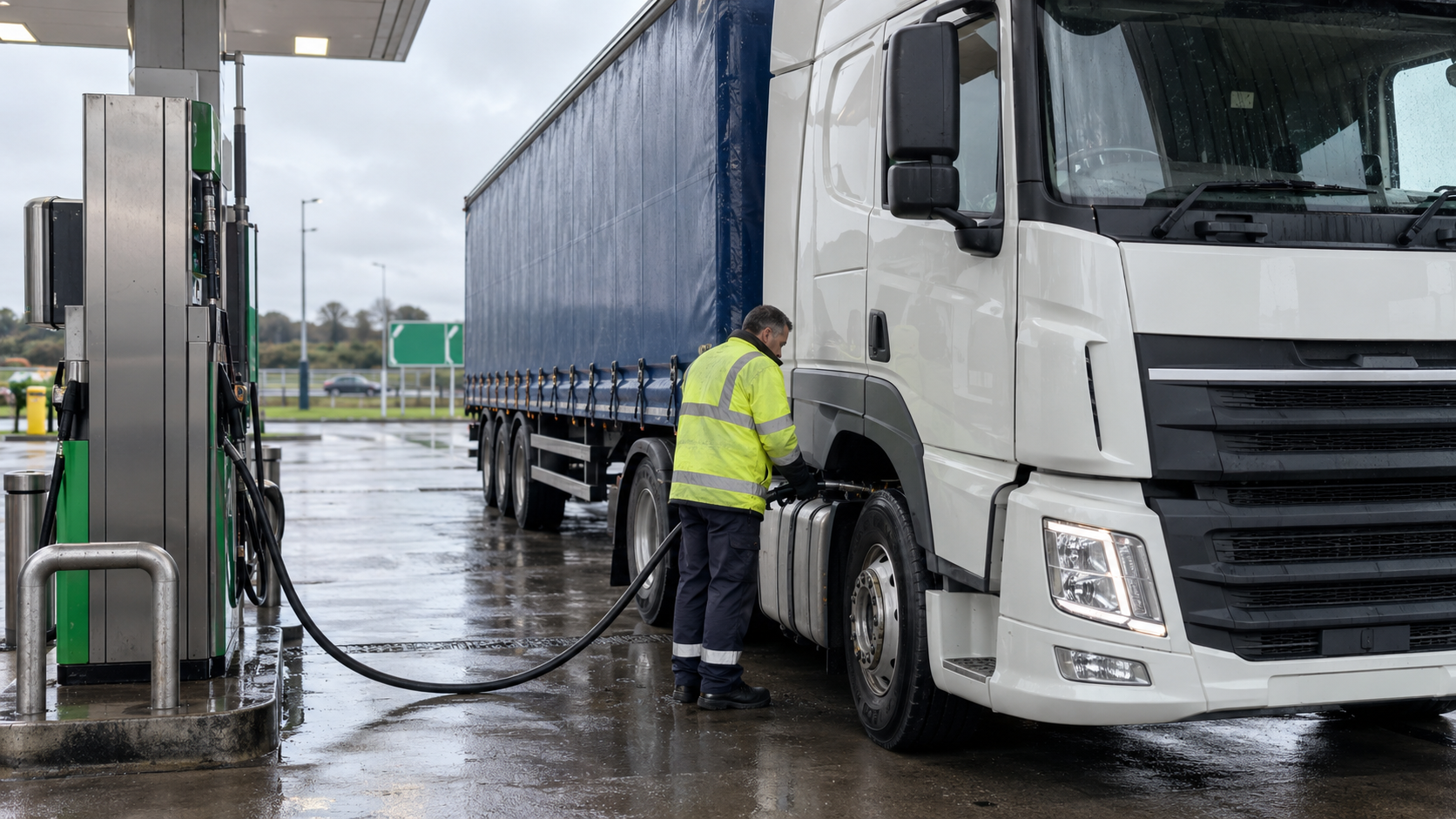
Diesel prices have reportedly reached €2.10 per litre at some Irish forecourts, while continuing instability in international oil markets has destroyed any realistic expectation that prices will fall substantially before the Government begins restoring fuel taxes.
Under the present timetable, the first reversal of Ireland’s temporary fuel-tax reductions is due to take effect on 1 November. This could add approximately seven cents per litre to diesel and five cents to petrol, with further increases expected as the remaining supports are withdrawn.
The reduced National Oil Reserves Agency levy is also due to end, adding to the pressure facing transport operators, businesses and private motorists.
The Irish Road Haulage Association has warned that the Government is fooling itself if it believes fuel prices will have fallen sufficiently before the November deadline.
For hauliers, the sums involved are considerable. A seven-cent increase would add €70 to the cost of every 1,000 litres of diesel. For a truck consuming 40,000 litres annually, it represents an additional €2,800 in fuel expenditure before any further market increases are considered.
If the combined impact of tax restoration and higher wholesale prices reaches 14 cents per litre, the additional annual cost would climb to approximately €5,600 per truck.
For a fleet of 20 vehicles, that is an extra €112,000—an increase few operators can absorb without raising haulage rates.
Europe moves to protect operators
Ireland’s approach contrasts sharply with measures being introduced elsewhere in Europe.
Germany has announced a temporary fuel-tax reduction worth approximately 17 cents per litre from 1 October until the end of 2026. The German government is also examining the introduction of a longer-term fuel-price cap.
Spain and France have introduced or extended measures aimed at shielding consumers and selected industries from rising energy costs, while Italy has also moved to reduce transport-related taxation.
These measures vary from country to country, but the direction of travel is clear: governments across Europe recognise that exceptionally high fuel prices require intervention.
Ireland, however, remains committed to restoring taxes while the fuel crisis is still unfolding.
This creates a serious competitiveness problem for Irish hauliers. Operators here already face higher insurance, wage, maintenance, ferry and regulatory costs. Increasing diesel taxation while competitors elsewhere receive fresh support risks widening that gap further.
Irish exporters will ultimately feel the effects because haulage companies cannot continue absorbing higher costs. Increased transport charges will feed directly into the cost of food, construction materials, consumer goods and industrial products.
Government must reconsider November deadline
The Government does not control global oil prices, but it controls the tax charged on every litre sold in Ireland.
Restoring fuel taxes may have appeared reasonable when international prices were expected to stabilise. That argument is much harder to defend when diesel is already approaching or exceeding €2 per litre.
At a minimum, the November increase should be postponed until wholesale prices fall to a sustainable level.
The Government should also guarantee an enhanced Diesel Rebate Scheme for licensed haulage operators. Industry representatives have called for support worth at least 12 cents per litre, providing businesses with the certainty required to price contracts and protect employment.
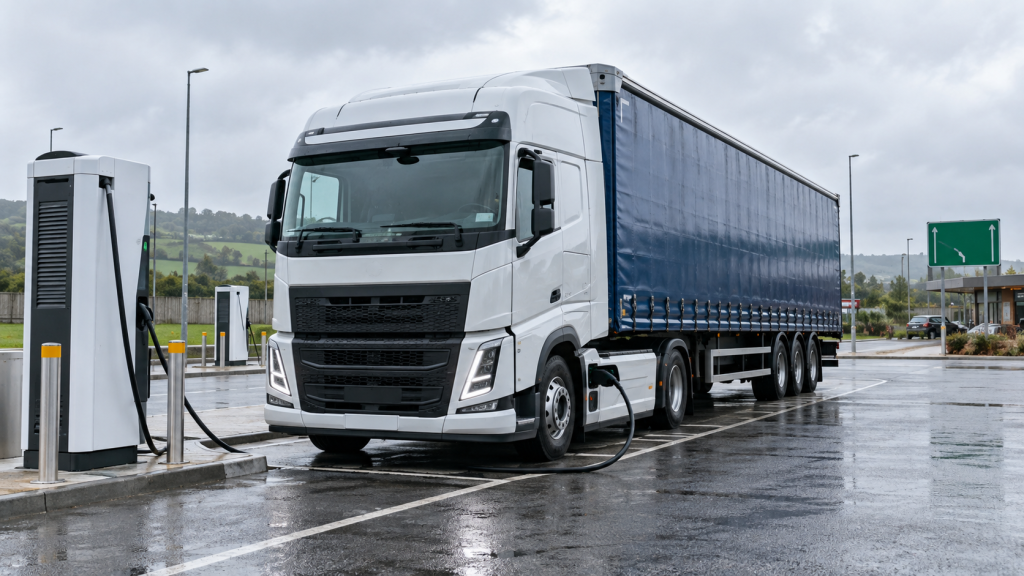
Longer-term action should include stronger support for sustainable biofuels, including HVO, and a realistic plan for expanding Ireland’s severely limited heavy-duty vehicle charging infrastructure.
Decarbonisation remains essential, but it cannot be achieved by simply making diesel more expensive when operators have few commercially viable alternatives.
Ireland’s road haulage industry keeps shops stocked, factories operating and exports moving. Increasing fuel taxes in the middle of an international energy crisis would not punish oil producers—it would punish Irish transport companies and every business and household that depends on them.
While European neighbours are cutting taxes to contain the crisis, Ireland should not be moving in the opposite direction. The Government must reconsider the 1 November deadline before another avoidable cost is imposed on an industry already operating under severe pressure.