The Irish haulage industry is essential to the economy, but several barriers make it difficult for new businesses and drivers to enter the sector. These barriers have become more significant due to rising costs, regulation, and labour shortages.
1. High Start-Up Costs
Starting a haulage business requires substantial capital investment, including:
- Purchase or lease of HGVs (€80,000–€180,000+ per truck)
- Trailers
- Vehicle insurance
- Road tax
- Operator licensing costs
- Depot or parking facilities
- Fuel cards and working capital
- Telematics and fleet management systems
Many new operators struggle to secure finance without a proven track record.
2. Driver Shortage
Ireland continues to experience a shortage of qualified HGV drivers due to:
- An ageing workforce
- Difficulty attracting younger people
- Competition from other sectors
- Lifestyle concerns (long hours and nights away from home)
Recruiting and retaining experienced drivers is one of the biggest challenges facing new entrants.
3. Cost of Driver Training
Obtaining an HGV licence can cost several thousand euro, including:
- Driver training
- CPC (Certificate of Professional Competence)
- Medical examinations
- Driver theory and practical tests
For many people, the upfront cost is prohibitive.
4. Regulatory Compliance
New operators must comply with extensive regulations covering:
- Operator licensing
- Driver hours
- Tachographs
- Vehicle roadworthiness
- CPC requirements
- Employment legislation
- Health and safety
- Environmental standards
Understanding and maintaining compliance requires significant administrative effort.
5. Rising Insurance Costs
Commercial vehicle insurance is expensive, particularly for:
- New businesses
- Younger drivers
- Companies without an established claims history
Insurance premiums can represent a major barrier to market entry.
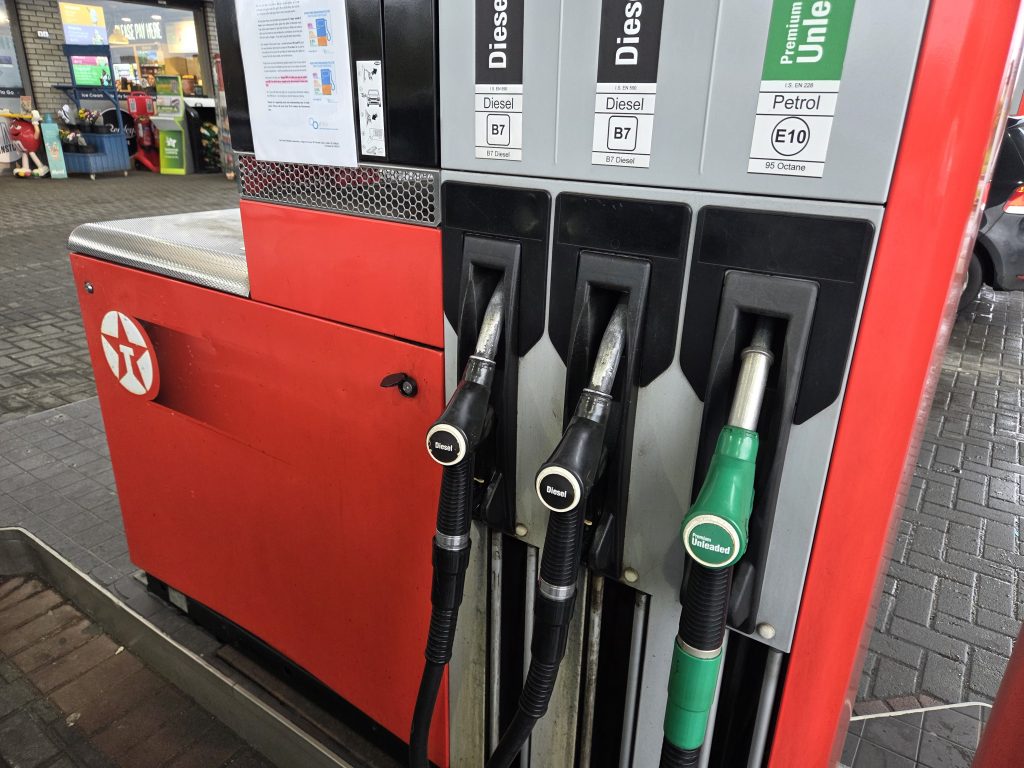
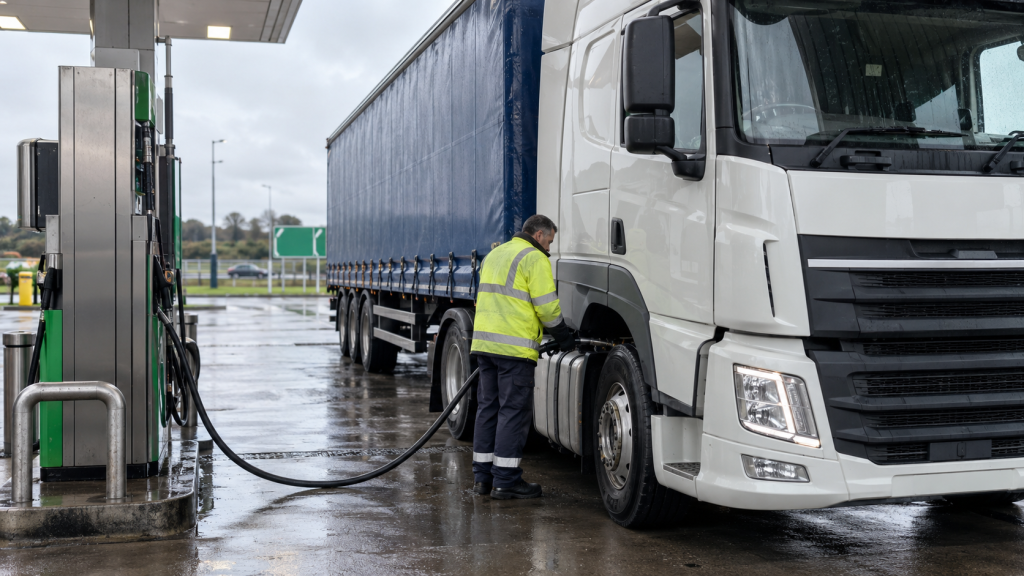
6. Fuel Price Volatility
Fuel is typically the largest operating expense for haulage companies. Fluctuating diesel prices make it difficult for new businesses to:
- Price contracts competitively
- Maintain profitability
- Forecast operating costs
7. Difficulty Securing Contracts
Established operators often have long-term relationships with:
- Retailers
- Manufacturers
- Logistics companies
- Distribution networks
New entrants may struggle to win profitable contracts without an established reputation.
8. Tight Profit Margins
The haulage industry is highly competitive, with many contracts awarded primarily on price. New operators often face:
- Low margins
- Rising operating costs
- Pressure from larger competitors with economies of scale
9. Environmental Requirements
The transition towards lower-emission transport presents additional challenges:
- Investment in newer, cleaner vehicles
- Compliance with evolving emissions regulations
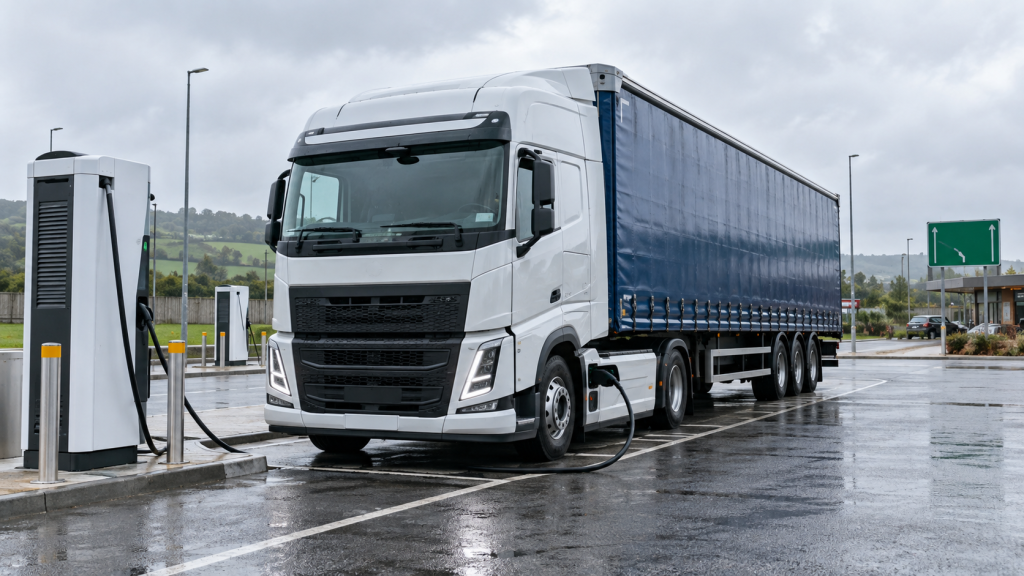
- Potential future investment in alternative fuels or electric trucks
These requirements can increase capital expenditure.
10. Access to Suitable Parking and Depot Facilities
Finding secure, affordable locations for:
- Vehicle parking
- Maintenance
- Overnight storage
- Loading and unloading
can be difficult, particularly near major urban centres.
11. Cash Flow Pressures
Many haulage customers operate on payment terms of 30–90 days, while operators must pay for:
- Fuel
- Wages
- Insurance
- Vehicle finance
- Maintenance
almost immediately. This creates significant working capital requirements.
12. Technology Investment
Modern haulage businesses are increasingly expected to invest in:
- Fleet management software
- GPS tracking
- Electronic Proof of Delivery (ePOD)
- Route optimisation systems
- Compliance management software
- Cybersecurity measures
These technologies improve efficiency but add to start-up and operating costs.
Potential Solutions
Reducing barriers to entry could involve:
- Government grants or low-interest finance for new operators
- Subsidised HGV driver training
- Apprenticeship programmes for professional drivers
- Improved roadside facilities and secure truck parking
- Faster licensing processes
- Incentives for investment in low-emission vehicles
- Support for digitalisation and fleet management technology
Outlook
Despite these barriers, demand for road freight remains strong. Growth in e-commerce, construction, food distribution, pharmaceutical logistics, and international trade continues to create opportunities for well-managed haulage businesses. Success for new entrants increasingly depends on operating efficiently, embracing technology, maintaining strong compliance standards, and developing long-term customer relationships rather than competing on price alone.