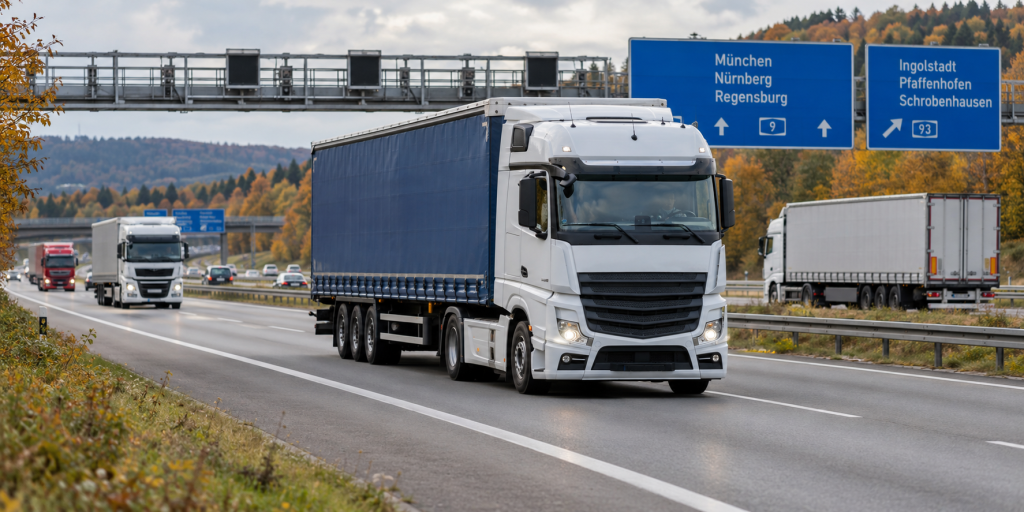
The European Commission is set to examine possible changes to Driver CPC training requirements as Europe’s road transport industry struggles with a shortage of more than 500,000 professional truck drivers.
EU Commissioner for Sustainable Transport and Tourism, Apostolos Tzitzikostas, will host a high-level meeting in Brussels on 1 December to discuss the qualification and training of professional truck and bus drivers.
The meeting comes amid growing concerns that existing training requirements may be too rigid, with transport operators calling for a more flexible and practical approach to attracting new drivers and retaining experienced professionals.
The discussions will focus on Directive (EU) 2022/2561, which governs the initial qualification and periodic training of professional drivers across the European Union.
According to the European Commission, the meeting will examine whether existing requirements remain relevant, proportionate and sufficiently flexible to meet the needs of today’s road transport industry.
Mobility and Transport+1
Driver shortage puts pressure on Brussels
The urgency of the discussions is underlined by the scale of Europe’s HGV driver shortage.
Research published by the International Road Transport Union (IRU) estimates that approximately 502,000 truck-driving positions remain unfilled across Europe, representing a shortage rate of around 13 per cent.
The situation is expected to deteriorate further, with approximately 660,500 European truck drivers projected to retire by 2030.
The industry is also struggling to attract younger workers, while women account for just four per cent of Europe’s truck-driving workforce.
The IRU believes that reducing the cost of entering the profession, modernising training and improving working conditions will be essential to addressing the crisis.
World Road Transport Organisation
Greater flexibility in Driver CPC training
One of the central issues facing the December meeting will be whether the current Driver CPC framework can be modernised without compromising road safety.
The European Commission has acknowledged concerns from industry stakeholders about the relevance, flexibility and proportionality of certain training requirements.
Among the areas identified for discussion are greater use of e-learning and digital training tools, improvements in the effectiveness of training and opportunities to simplify existing arrangements.
The discussions will also consider how the qualification framework could better support the integration of drivers recruited from outside the European Union.
For transport operators, greater flexibility could potentially reduce the disruption associated with releasing drivers for training, while allowing professional development to fit more effectively around operational commitments.
However, the Commission has not announced any reduction in mandatory training hours or changes to the existing five-year periodic training cycle.
The December meeting is an opportunity to examine the current system rather than the introduction of new legislation.
Mobility and Transport+1
Recruiting drivers from outside Europe
The Commission is also examining how qualified drivers from non-EU countries could be recruited more effectively to help address Europe’s growing labour shortage.
In February, it published an IRU-led study identifying the legal, administrative and qualification-related barriers facing non-EU drivers seeking employment with European transport operators.
The study examined differences between professional driver qualifications in 23 non-EU countries and the requirements applicable within the European Union.
It also identified examples of recruitment and integration practices that could help employers access additional drivers while maintaining European training and safety standards.
The findings are expected to inform ongoing discussions about the future of professional driver recruitment and training.
World Road Transport Organisation+1
IRU calls for modernisation
The IRU has already identified the modernisation of professional driver training as a priority for 2027.
Its Commission on Social Affairs has called for continued efforts to remove barriers preventing younger people from entering the profession, alongside measures to attract more women and facilitate properly regulated recruitment from outside the EU.
The organisation maintains that the driver shortage cannot be resolved through recruitment initiatives alone.
Improved working conditions, better facilities for drivers, more predictable schedules and a healthier work-life balance will also be essential to making professional driving an attractive long-term career.
World Road Transport Organisation+1
What could the reforms mean for Irish hauliers?
For Irish road transport operators, any future changes to Driver CPC requirements could have important implications for driver recruitment, training costs and fleet operations.
Under the existing system, professional HGV drivers must maintain their Driver CPC qualification through periodic training, with operators having to accommodate training commitments alongside their normal transport schedules.
Greater use of digital learning and more flexible training delivery could potentially make it easier for drivers to complete their requirements without unnecessary disruption to their working schedules.
Changes to the recognition of qualifications could also influence the ability of Irish operators to recruit experienced drivers from outside the EU.
Ministe
The European Commission is set to examine possible changes to Driver CPC training requirements as Europe’s road transport industry struggles with a shortage of more than 500,000 professional truck drivers.
EU Commissioner for Sustainable Transport and Tourism, Apostolos Tzitzikostas, will host a high-level meeting in Brussels on 1 December to discuss the qualification and training of professional truck and bus drivers.
The meeting comes amid growing concerns that existing training requirements may be too rigid, with transport operators calling for a more flexible and practical approach to attracting new drivers and retaining experienced professionals.
The discussions will focus on Directive (EU) 2022/2561, which governs the initial qualification and periodic training of professional drivers across the European Union.
According to the European Commission, the meeting will examine whether existing requirements remain relevant, proportionate and sufficiently flexible to meet the needs of today’s road transport industry.
Mobility and Transport+1
Driver shortage puts pressure on Brussels
The urgency of the discussions is underlined by the scale of Europe’s HGV driver shortage.
Research published by the International Road Transport Union (IRU) estimates that approximately 502,000 truck-driving positions remain unfilled across Europe, representing a shortage rate of around 13 per cent.
The situation is expected to deteriorate further, with approximately 660,500 European truck drivers projected to retire by 2030.
- Every key deadline: diesel rebate, fuel excise, carbon tax
- Tick-box checklist for tacho, CVRT, CPC & operator licence
- Where drivers get caught at RSA roadside checks
The industry is also struggling to attract younger workers, while women account for just four per cent of Europe’s truck-driving workforce.
The IRU believes that reducing the cost of entering the profession, modernising training and improving working conditions will be essential to addressing the crisis.
World Road Transport Organisation
Greater flexibility in Driver CPC training
One of the central issues facing the December meeting will be whether the current Driver CPC framework can be modernised without compromising road safety.
The European Commission has acknowledged concerns from industry stakeholders about the relevance, flexibility and proportionality of certain training requirements.
Among the areas identified for discussion are greater use of e-learning and digital training tools, improvements in the effectiveness of training and opportunities to simplify existing arrangements.
The discussions will also consider how the qualification framework could better support the integration of drivers recruited from outside the European Union.
For transport operators, greater flexibility could potentially reduce the disruption associated with releasing drivers for training, while allowing professional development to fit more effectively around operational commitments.
However, the Commission has not announced any reduction in mandatory training hours or changes to the existing five-year periodic training cycle.
The December meeting is an opportunity to examine the current system rather than the introduction of new legislation.
Mobility and Transport+1
Recruiting drivers from outside Europe
The Commission is also examining how qualified drivers from non-EU countries could be recruited more effectively to help address Europe’s growing labour shortage.
In February, it published an IRU-led study identifying the legal, administrative and qualification-related barriers facing non-EU drivers seeking employment with European transport operators.
The study examined differences between professional driver qualifications in 23 non-EU countries and the requirements applicable within the European Union.
It also identified examples of recruitment and integration practices that could help employers access additional drivers while maintaining European training and safety standards.
The findings are expected to inform ongoing discussions about the future of professional driver recruitment and training.
World Road Transport Organisation+1
IRU calls for modernisation
The IRU has already identified the modernisation of professional driver training as a priority for 2027.
Its Commission on Social Affairs has called for continued efforts to remove barriers preventing younger people from entering the profession, alongside measures to attract more women and facilitate properly regulated recruitment from outside the EU.
The organisation maintains that the driver shortage cannot be resolved through recruitment initiatives alone.
Improved working conditions, better facilities for drivers, more predictable schedules and a healthier work-life balance will also be essential to making professional driving an attractive long-term career.
World Road Transport Organisation+1
What could the reforms mean for Irish hauliers?
For Irish road transport operators, any future changes to Driver CPC requirements could have important implications for driver recruitment, training costs and fleet operations.
Under the existing system, professional HGV drivers must maintain their Driver CPC qualification through periodic training, with operators having to accommodate training commitments alongside their normal transport schedules.
Greater use of digital learning and more flexible training delivery could potentially make it easier for drivers to complete their requirements without unnecessary disruption to their working schedules.
Changes to the recognition of qualifications could also influence the ability of Irish operators to recruit experienced drivers from outside the EU.
Minister of State at the Department of Transport Seán Canney has previously acknowledged the importance of modernising Driver CPC and attracting younger people into professional driving.
The issue featured in discussions involving the Minister, the Irish Road Haulage Association (IRHA) and the IRU in October, when the organisations examined priorities for the road transport sector.
HGV Ireland
December meeting could shape future policy
The Brussels meeting on 1 December will bring together representatives of the road transport industry and national authorities to examine how existing EU training rules operate in practice.
Although no legislative proposals have been announced, the discussions could help shape future changes to the Driver CPC framework.
For Irish hauliers, the challenge will be ensuring that any reforms make professional driving more accessible, reduce unnecessary administrative burdens and support recruitment without weakening road safety standards.
With Europe’s driver shortage expected to intensify as experienced drivers retire, pressure is mounting on policymakers to deliver practical solutions.
The key question now is whether Brussels can turn its review of professional driver training into meaningful reforms that help Europe’s haulage industry recruit and retain the drivers it urgently needs.
r of State at the Department of Transport Seán Canney has previously acknowledged the importance of modernising Driver CPC and attracting younger people into professional driving.
The issue featured in discussions involving the Minister, the Irish Road Haulage Association (IRHA) and the IRU in October, when the organisations examined priorities for the road transport sector.
HGV Ireland
December meeting could shape future policy
The Brussels meeting on 1 December will bring together representatives of the road transport industry and national authorities to examine how existing EU training rules operate in practice.
Although no legislative proposals have been announced, the discussions could help shape future changes to the Driver CPC framework.
For Irish hauliers, the challenge will be ensuring that any reforms make professional driving more accessible, reduce unnecessary administrative burdens and support recruitment without weakening road safety standards.
With Europe’s driver shortage expected to intensify as experienced drivers retire, pressure is mounting on policymakers to deliver practical solutions.
The key question now is whether Brussels can turn its review of professional driver training into meaningful reforms that help Europe’s haulage industry recruit and retain the drivers it urgently needs.