A proposed €91.3 billion EU infrastructure budget could help deliver better freight connections, secure truck parking and alternative fuels infrastructure, with the International Road Transport Union (IRU) calling for road transport to receive a substantial share.
IRU has welcomed the European Parliament’s Transport and Tourism (TRAN) and Industry, Research and Energy (ITRE) committees’ proposal to increase the Connecting Europe Facility (CEF) budget for 2028–2034.
According to IRU, the proposed allocation is nearly €10 billion above the European Commission’s initial proposal and would be almost three times the €33.7 billion allocated to the current programme for 2021–2027.
CEF is the EU’s main funding instrument for developing and modernising trans-European transport and energy networks, supporting cross-border connectivity, decarbonisation and military mobility.
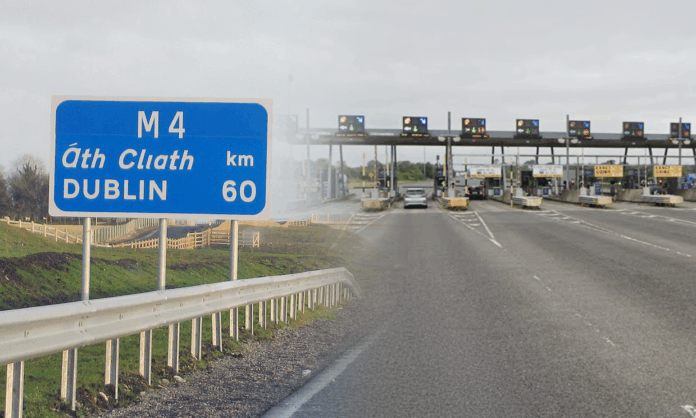
For Irish hauliers, the potential benefits extend beyond domestic infrastructure. Investment in the European freight routes they use could improve access to secure parking, alternative fuels and more reliable transport connections.
IRU General Delegate to the EU Raluca Marian said, “The ambition to significantly strengthen the Connecting Europe Facility is a strong and welcome political signal. Investment in transport, energy and military mobility is essential for the EU’s competitiveness, security and decarbonisation.”
“Crucially, military mobility investments in roads, bridges and safe and secure parking can also deliver significant benefits for civilian transport,” she added.
Transport, energy and military mobility
The committees propose allocating approximately €38 billion to transport, €33.5 billion to energy and €19.8 billion to military mobility.
IRU says road transport stands to benefit across all three funding pillars, provided the investments work together to address the sector’s infrastructure needs.
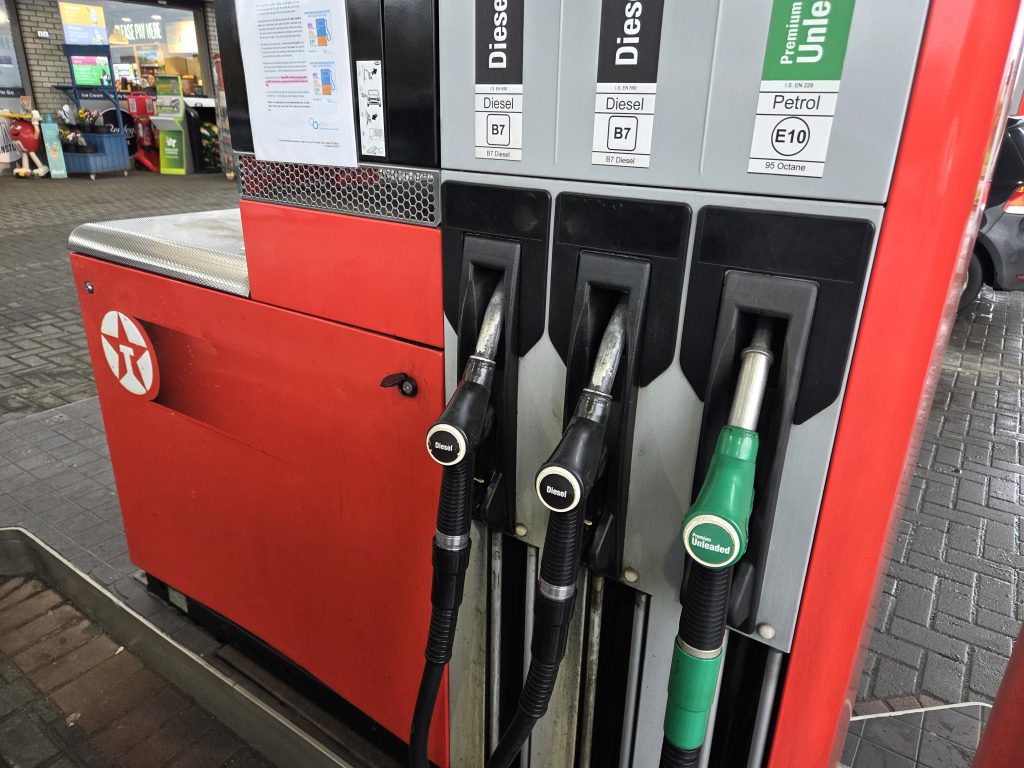
Alternative fuels infrastructure, safe and secure parking, intelligent transport systems and multimodal connectivity are among the priorities recognised as eligible for CEF support.
Energy investment is also central to the transition towards lower-emission commercial vehicles. Stronger electricity networks, adequate grid capacity and hydrogen infrastructure will be needed to support that transition.
- Every key deadline: diesel rebate, fuel excise, carbon tax
- Tick-box checklist for tacho, CVRT, CPC & operator licence
- Where drivers get caught at RSA roadside checks
For operators considering electric trucks, investment in the electricity network could be particularly relevant: charging facilities depend on sufficient grid capacity as well as the installation of chargers.
Meanwhile, military mobility projects could deliver wider freight benefits through stronger bridges, improved strategic road connections, the removal of bottlenecks and facilities designed for both civilian and military use.
Budget negotiations remain crucial
The proposed €91.3 billion allocation brings the programme closer to the €100 billion ambition sought by a coalition of European transport organisations, including IRU, in February 2026.
That campaign called for stronger investment in transport connectivity, decarbonisation, resilience and military mobility.
However, the committee proposal does not represent an agreed final budget. Funding remains subject to negotiations on the EU’s next long-term budget, the Multiannual Financial Framework for 2028–2034.
IRU says the funding ambition must be maintained throughout those negotiations and reflected in the final agreement.
“It is paramount that, when the programme is implemented, road transport receives a substantial share of available funding, reflecting the sector’s considerable investment needs in decarbonisation, digitalisation and skills,” said Raluca Marian. “Europe needs a Connecting Europe Facility that can deliver stronger connectivity, competitiveness, resilience and security.”
For Irish operators, the key issue will be how the final funding package translates into practical improvements on the freight corridors, parking facilities and energy networks their businesses depend on.