Irish haulage operators face another increase in operating costs from 1 January 2027, with new motorway toll charges potentially adding thousands of euro to annual fleet expenses, depending on vehicle numbers, routes and frequency of travel.
An analysis by HGVIreland.com shows that a fleet of 25 trucks, each making four tolled crossings per working day, could face an additional annual bill of €6,600 if the charge rises by 30 cent per crossing.
For a fleet of 50 trucks operating at the same frequency, the additional cost could reach €13,200 annually.
The calculations highlight how seemingly modest increases of 20 or 30 cent per crossing can become a significant expense when multiplied across an entire fleet and a full working year.
Transport Infrastructure Ireland (TII) has confirmed that toll increases will take effect on 1 January 2027, following the application of a 3.6 per cent Consumer Price Index adjustment for the 12 months to August 2026.
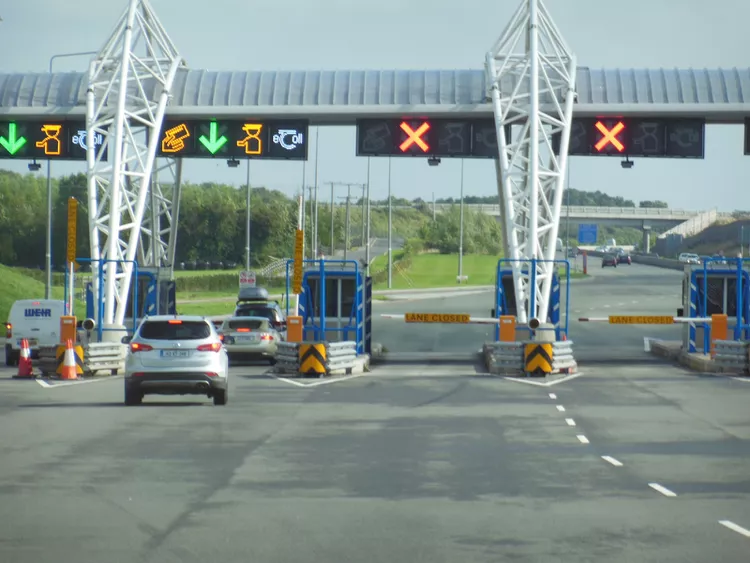
Heavier HGVs using the M50 will face increases of either 20 or 30 cent per crossing, while increases of up to 30 cent will also apply to heavy goods vehicles on privately operated motorway toll roads.
TII+1
What will the increases cost your fleet?
HGVIreland.com has calculated the potential additional annual cost for fleets of different sizes, based on 220 working days per year.
The figures assume that each truck makes four tolled crossings per working day and that the same increase applies to every crossing.
| Fleet size | 20c increase | 30c increase |
|---|---|---|
| 1 truck | €176 | €264 |
| 5 trucks | €880 | €1,320 |
| 10 trucks | €1,760 | €2,640 |
| 25 trucks | €4,400 | €6,600 |
| 50 trucks | €8,800 | €13,200 |
| 100 trucks | €17,600 | €26,400 |
Illustrative additional annual toll expenditure, not total toll bills. Actual costs will depend on routes, vehicle categories, payment methods and journeys undertaken.
For a medium-sized haulage business operating 25 trucks, an additional €6,600 represents money that must either be absorbed by the operator or recovered through higher transport charges.
And this is just the increase in tolls. It does not include the existing toll charges, fuel, wages, insurance, maintenance, tyres or vehicle finance.
The real impact depends on how often trucks use toll roads
Operators making regular deliveries into Dublin, travelling between distribution centres or using motorway corridors linking Ireland’s ports with regional destinations could face repeated charges throughout the working week.
For example, a truck making six tolled crossings daily, each subject to a 30 cent increase, would incur an additional €396 over 220 working days.
Across a fleet of 50 vehicles, that would amount to €19,800 annually.
For operators working six days per week, or vehicles covering more than 220 working days annually, the additional expense could be higher again.
The calculations demonstrate why haulage operators are increasingly concerned about the cumulative impact of small but repeated increases in road transport costs.
Calculate the impact on your own fleet
Estimated additional annual fleet cost
€6,600.00
Additional cost per truck: €264.00
Copy fleet calculation
IRHA condemns increases
The Irish Road Haulage Association (IRHA) has strongly criticised the increases, warning that the industry is already struggling with rising costs and tight operating margins.
IRHA President Ger Hyland described the decision as “tone deaf given the mounting pressures facing the transport industry”.
He warned that the additional expense would ultimately be passed along the supply chain, affecting businesses and consumers.
Hyland has called for Government intervention, arguing that higher tolls are particularly difficult to justify when transport operators are already contending with rising fuel costs and wider economic uncertainty.
Hauliers cannot simply avoid toll roads
Brendan Ryan, Director at Martin Ryan Haulage, has also called for a freeze on HGV toll increases and meaningful relief for commercial transport operators.
Speaking out against the increases, Ryan said:
- Every key deadline: diesel rebate, fuel excise, carbon tax
- Tick-box checklist for tacho, CVRT, CPC & operator licence
- Where drivers get caught at RSA roadside checks
“Enough is enough. Irish hauliers are not an unlimited source of revenue.”
He pointed out that motorway routes are often essential to the efficient movement of freight and that alternative routes can create additional costs.
Ferry schedules, delivery appointments and drivers’ hours dictate when vehicles must move, meaning avoiding a toll road is not always a practical or economical option.
Ryan has called for a commercial freight rebate or substantial frequent-user discount, along with a published assessment of the total toll burden on Irish haulage operators.
HGV Ireland
Dublin Port Tunnel: Important distinction for HGV operators
Although the southbound morning peak toll in the Dublin Port Tunnel will increase from €14 to €15, qualifying HGVs continue to travel toll-free through the tunnel.
The €1 increase applies to chargeable traffic travelling southbound between 6am and 10am, Monday to Friday. It should therefore not be included in the normal toll calculations for qualifying HGV movements.
TII says the higher peak-period charge is designed to manage traffic demand and preserve capacity for freight vehicles travelling to and from Dublin Port.
Who pays the additional cost?
The central issue for Irish hauliers is whether transport customers will accept higher freight rates to reflect rising operating expenses.
Many haulage contracts are negotiated months in advance, with limited opportunities to recover unexpected cost increases.
Where contracts do not contain a toll adjustment clause, operators may have to absorb the additional expense until rates are renegotiated.
For businesses operating on narrow margins, even relatively small increases can have a cumulative effect when combined with higher diesel prices, insurance premiums, vehicle maintenance and employment costs.
Ultimately, the money must come from one of two places: the haulage operator’s margin or the customer’s transport budget.
And where transport costs increase, there is a risk that some of those additional charges will eventually be reflected in the price of goods.
Time for a commercial freight toll discount?
The January increases raise a wider question about the treatment of commercial freight vehicles on Ireland’s motorway network.
Unlike private motorists, haulage operators use the roads as an essential part of their business, moving goods between ports, factories, warehouses, retailers and customers.
Motorway use can also deliver benefits in terms of journey efficiency, reduced congestion on alternative routes and more predictable delivery schedules.
The industry therefore has a case for seeking greater recognition of commercial freight movements within the tolling system.
Possible measures include discounted rates for frequent HGV users, fleet-based toll rebates or targeted relief for operators making repeated essential freight journeys.
TII maintains that toll revenue supports the operation, maintenance and renewal of the national road network, while income from privately operated toll roads also contributes to financing their construction.
However, that does not remove the commercial pressures facing the businesses that depend on those roads every day.
The bottom line
The January 2027 increases may appear relatively modest when considered individually.
But for Irish haulage operators running multiple vehicles across tolled motorway routes, the annual impact can run into thousands of euro.
A 50-truck fleet making four tolled crossings per vehicle each working day could face an additional €13,200 in annual toll expenditure where every crossing increases by 30 cent.
That is a substantial additional operating expense for a sector already facing pressure on costs and profitability.
With the increases due to take effect on 1 January, haulage operators have less than two months to review their exposure, assess customer contracts and consider whether transport rates need to be adjusted.
For Irish hauliers, the question is no longer whether tolls are increasing. It is who will ultimately pay the bill.