Senior European road-safety representatives have met in Dublin to examine how Member States can accelerate progress towards safer roads, with infrastructure investment, funding and stronger national delivery at the centre of discussions.
The EU High Level Group on Road Safety meeting brought together the European Commission and senior representatives from across the EU. It was hosted by Ireland’s Presidency of the Council of the European Union and the Department of Transport.
With 2030 approaching, discussions focused on turning road-safety commitments into practical improvements through better evidence, stronger implementation capacity, sustained political support and clearer accountability.
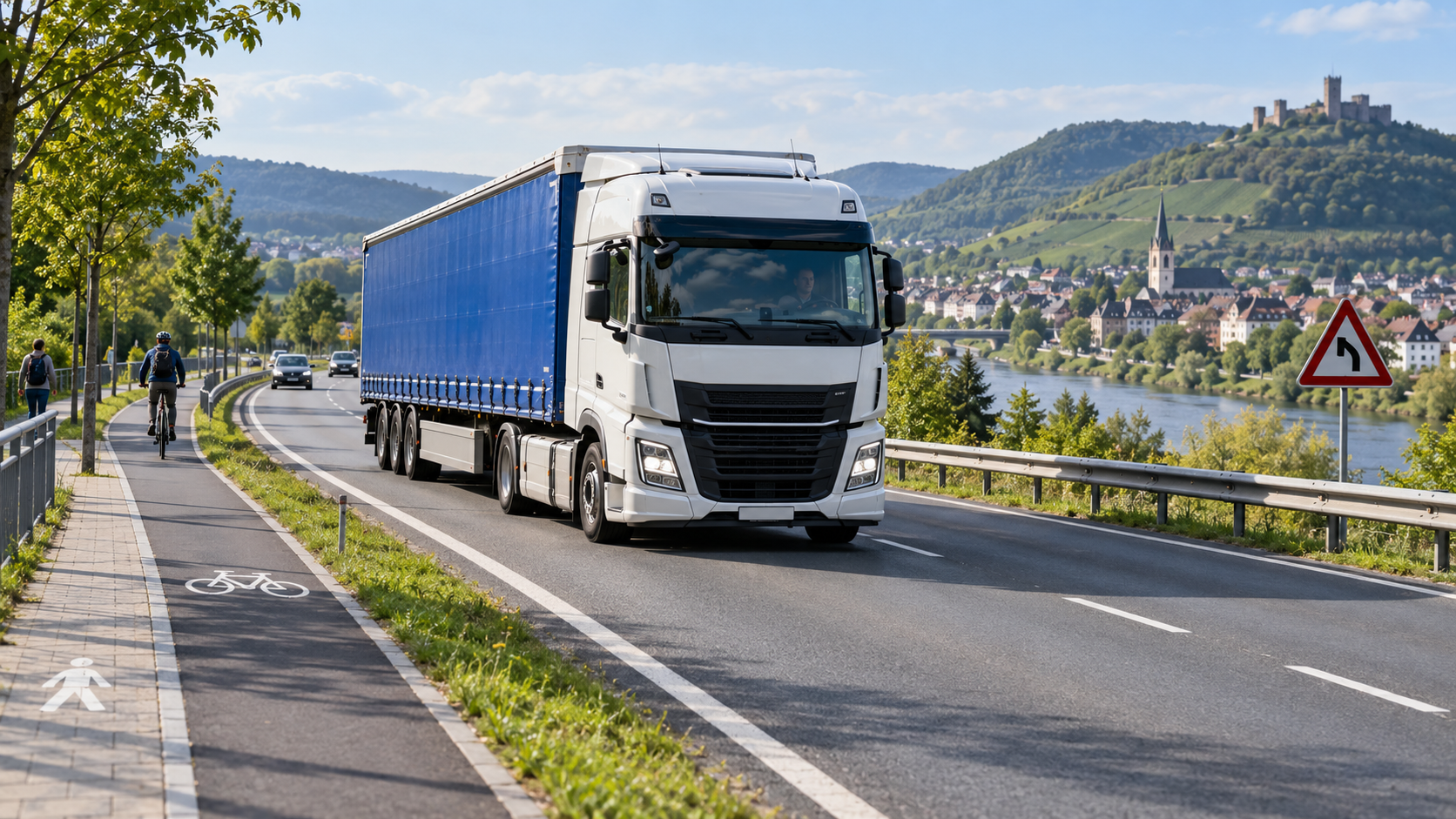
For Irish hauliers and professional drivers, the issues have direct relevance. Safer road layouts, well-targeted investment and effective national strategies can help reduce the risks encountered on daily freight journeys, particularly where commercial vehicles share road space with pedestrians and cyclists.
Turning evidence into action
The Dublin discussions examined how countries can strengthen the funding, governance and resources needed to deliver their road-safety strategies.
Representatives shared practical experience from Portugal and Ireland, including national strategy implementation, the use of data to guide infrastructure investment and measures to create safer routes to school.
The emphasis on evidence is significant. Identifying where risks are greatest can help authorities direct investment towards locations and interventions where it can make the greatest difference.
Ireland’s current Road Safety Strategy runs to 2030, with its second action plan covering 2025–2027. The Dublin meeting therefore comes during an important period for translating national commitments into delivery. gov.ie
Relevance for Irish transport operators
For transport managers, the practical significance lies in how national and local measures affect the routes their vehicles use.
Changes around schools, urban streets and busy junctions can require operators to review delivery routes, timings and driver briefings. Considering commercial-vehicle movements when designing safety improvements can also help make those measures workable for everyone using the road.
Fleet operators can contribute by identifying recurring hazards and reporting locations where visibility, road layout or interactions with vulnerable road users create particular difficulties.
European cooperation
The European Commission’s role includes bringing Member States together, monitoring progress, supporting the implementation of EU legislation and helping countries learn from one another’s experience.
The meeting’s focus was on making that cooperation deliver results on the ground, with proven approaches informing practical national measures.
For Irish road transport, the next test will be how the priorities discussed in Dublin translate into funded improvements, safer everyday journeys and measurable reductions in road risk.