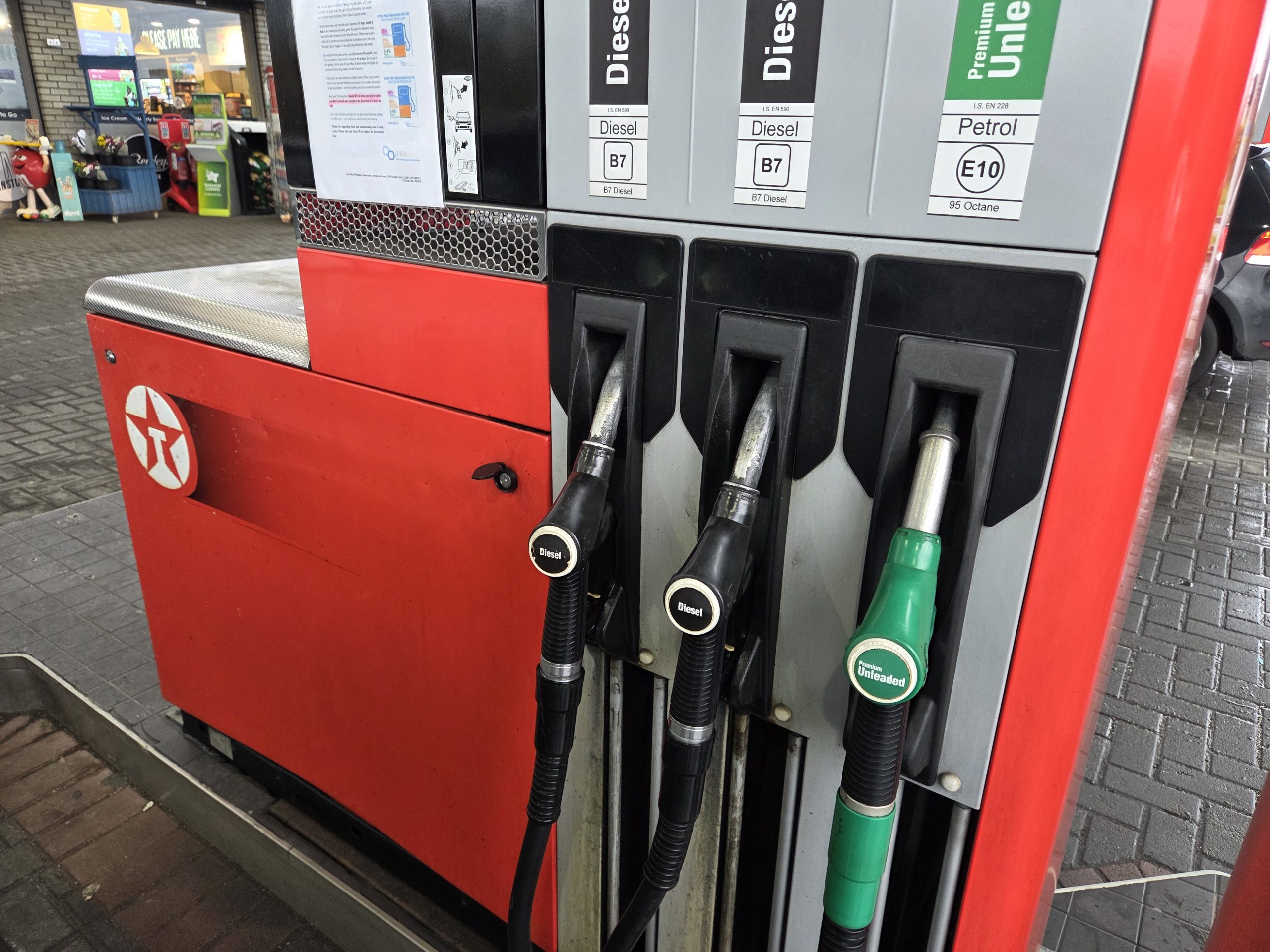
Irish hauliers locked into fixed-price contracts are facing growing pressure as diesel costs rise faster than they can adjust the rates they charge customers.
Fuel is paid for immediately, but a transport contract may have been priced months earlier. For an operator with no effective fuel adjustment clause, each increase at the pump cuts directly into the margin on every journey. Even contracts that allow a surcharge can leave a gap if the rate is reviewed only monthly or takes time to come into effect.
The Irish Road Haulage Association (IRHA) has urged members to review fuel surcharges against current diesel prices and adjust rates frequently. It warns that delays in recovering fuel increases can quickly erode margins. The association has also advised hauliers using overseas ferries to identify and discuss rising shipping fuel surcharges with customers.
The problem is being felt across Europe. Research published by the International Road Transport Union (IRU) shows road freight rates rising as fuel costs are passed through, while the IRU has warned that even where contracts contain price adjustment mechanisms, delays can put pressure on operators’ cash flow.
For Irish operators, the immediate challenge is to establish what each customer agreement permits. A fixed headline rate does not necessarily answer whether fuel can be charged separately; equally, an operator cannot assume a new surcharge can simply be added to an existing contract. The wording, review dates and any variation procedure matter.
Hauliers should be able to show customers how the increase affects a particular service: the agreed rate, the diesel price on which it was based, the fuel used and the additional cost now being carried. A clear, consistently applied proposal gives both sides a basis for discussing a temporary surcharge or revised rate.
That conversation may be difficult, especially where customers face their own cost pressures. But continuing to run work at a loss is no long-term solution. IRHA president Ger Hyland has warned that current diesel prices are pushing some operators towards decisions about whether they can keep vehicles on the road.
A possible Budget decision to delay the planned restoration of diesel excise would prevent a further increase. It would not remove the cost increases already putting fixed-price haulage work under strain. For operators and their customers, reviewing how fuel costs are shared has become an urgent commercial discussion.