The Irish Road Haulage Association (IRHA) has reminded commercial vehicle operators and drivers that passing the Commercial Vehicle Roadworthiness Test (CVRT) is only one part of maintaining a safe and compliant fleet.
In a recent LinkedIn post, the Association highlighted the importance of carrying out and recording daily vehicle walk-around checks, describing them as one of the simplest but most important elements of transport compliance.
Daily checks can identify defects before a truck or trailer begins work, helping operators prevent roadside breakdowns, avoid enforcement problems and reduce the risk of collisions caused by vehicle faults.
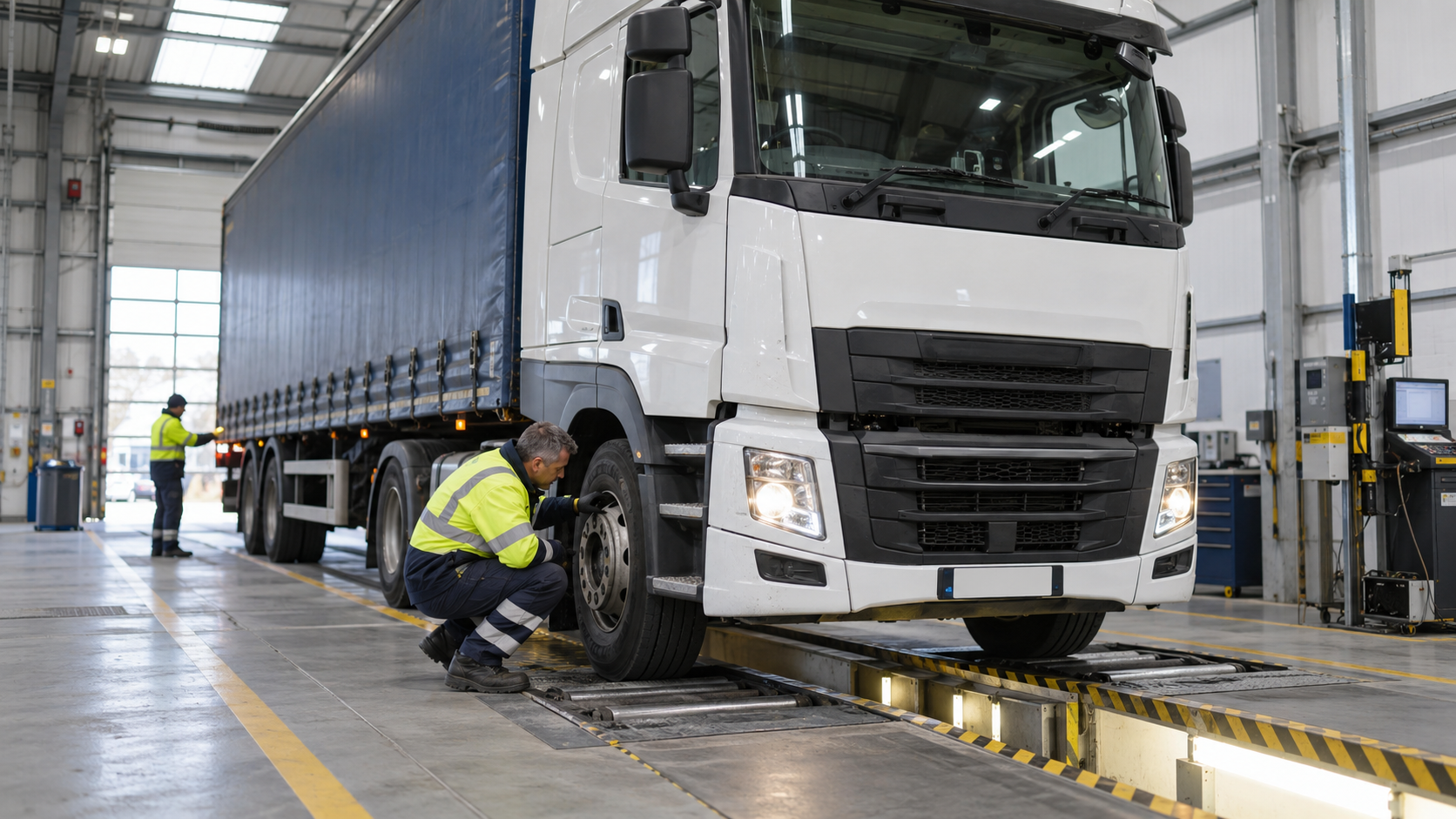
Typical walk-around inspections should include the vehicle’s tyres and wheels, lights, mirrors, windscreen, wipers, brakes, steering, suspension, bodywork, load security, coupling equipment and number plates. Drivers should also look for fuel, oil, coolant or air leaks and ensure that warning lights and other safety systems are functioning correctly.
Any defect discovered during the inspection should be recorded and reported immediately. Where the fault could affect the safe operation of the vehicle, it must be repaired before the vehicle is allowed onto the road.
The IRHA stressed that drivers and operators have clear responsibilities under road transport legislation to ensure that commercial vehicles remain roadworthy and safe to operate.
A valid Certificate of Roadworthiness confirms that a vehicle met the required standard when it underwent its CVR test. It does not remove the operator’s responsibility to maintain the vehicle properly throughout the year.
This distinction is particularly important for busy haulage fleets. A truck or trailer can develop a defect at any time after passing its test, especially when it is covering high mileages, operating on demanding routes or working with heavy loads.
Properly completed inspection records can also provide important evidence that an operator has effective systems in place to manage vehicle safety. Records should clearly identify the vehicle, driver, date and time of the check, any defects found and the action taken to rectify them.
Operators should ensure that drivers know how to conduct an effective inspection and understand which defects make a vehicle unsafe to use. Maintenance teams must also have a clear process for assessing reported faults, completing repairs and signing vehicles back into service.
The IRHA said that properly documented walk-around checks help demonstrate a strong compliance culture within a transport business. With commercial vehicle testing and enforcement requirements continuing to evolve, operators should regularly review their inspection, defect-reporting and maintenance procedures.
The Association is encouraging members who require guidance on walk-around checks, operator responsibilities or transport compliance best practice to contact the IRHA team.
Further information is available from the IRHA at info@irha.ie or 01 801 3380.