The Government may be forced to introduce further measures to address rising fuel costs as diesel prices climb above €2 per litre at some filling stations around Ireland.
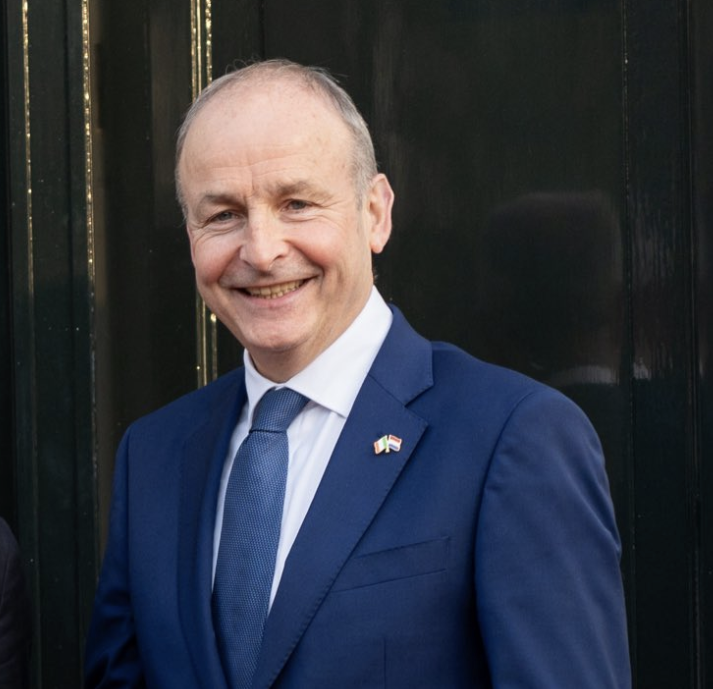
Taoiseach Micheál Martin has acknowledged that petrol and diesel prices remain extremely high and said further intervention may be required if the current pressure continues.
Speaking on Tuesday, 8 September, Mr Martin said the Government would assess developments over the coming weeks. He did not rule out additional subsidies or further changes to planned fuel-tax increases ahead of the Budget.
The Taoiseach’s comments will be closely watched by Irish road-haulage operators, for whom diesel represents one of the largest and most volatile operating expenses.
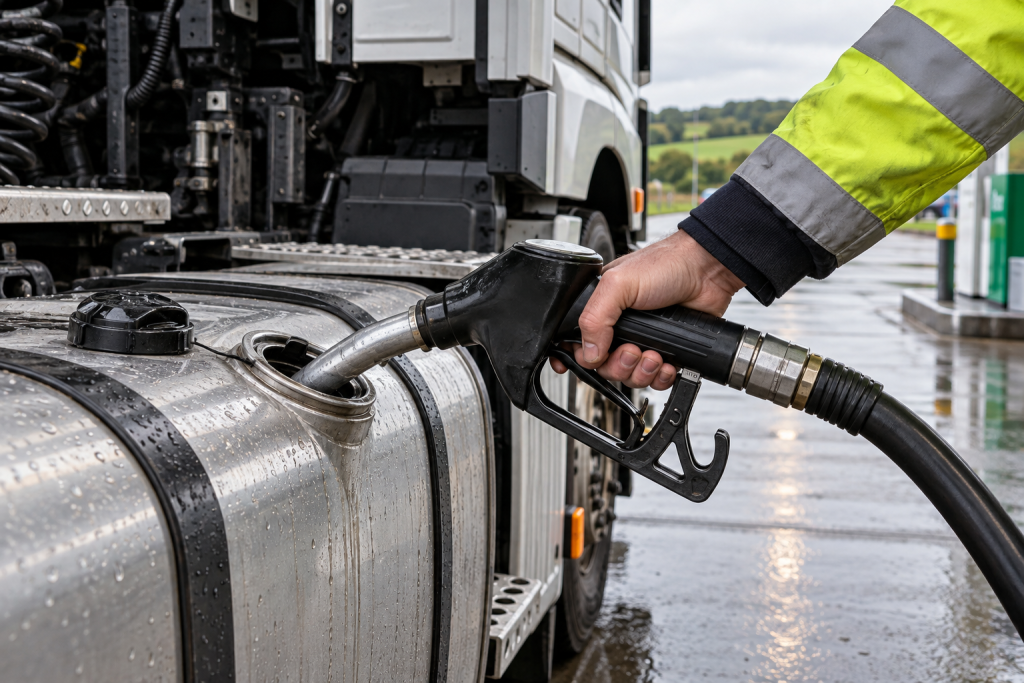
Fuel prices have remained under pressure because of continuing instability in international energy markets. Even with the Government’s existing excise reductions and targeted support measures, diesel has returned to, or exceeded, €2 per litre on some forecourts.
Any sustained increase at that level would place further pressure on transport businesses already contending with higher wages, insurance, vehicle-finance costs, tolls, tyres, maintenance and ferry charges.
The Government previously reduced excise by a total of 32 cent per litre on diesel and 27 cent per litre on petrol. The reversal of those reductions, which had been due to begin in September, has been postponed until November.
A €120 million Road Transporters Support Scheme was also introduced to provide targeted assistance to licensed road-haulage and passenger-transport operators. Transport Minister Darragh O’Brien confirmed at the Irish Road Haulage Association’s Annual Conference in Killarney that approximately €45 million had been paid under the scheme.
However, the continuing rise in diesel prices raises questions about whether the existing measures will be sufficient to protect the viability and competitiveness of Irish transport businesses.
Fuel costs were among the principal issues discussed at the IRHA conference, alongside regulation, decarbonisation, driver shortages and the future resilience of Ireland’s supply chain.
Hauliers have repeatedly warned that they cannot continue absorbing sharp increases in diesel costs. Where increases cannot be recovered through properly structured fuel surcharges, they must eventually be passed on to customers.
That has wider consequences for the economy because road haulage carries the overwhelming majority of goods moving within Ireland. Higher transport costs ultimately affect manufacturers, retailers, construction companies, farmers and consumers.
The Taoiseach said the Government recognised the broader economic and social consequences of high fuel prices and would examine whether further measures were warranted.
For the haulage industry, the immediate priorities will be the continued implementation of the Road Transporters Support Scheme, certainty regarding excise rates and a Government response capable of reflecting the real cost of keeping essential freight moving.
With diesel again crossing the €2 threshold, pressure is now building on the Government to act before already stretched transport operators face another substantial increase in their operating costs.