The Irish Road Haulage Association (IRHA) has issued a strongly worded warning that the increasing cost of fuel taxation and environmental levies risks placing an unsustainable burden on Ireland’s road transport industry.
In its latest intervention, the Association said hauliers support the move towards cleaner transport but stressed that the transition must be commercially realistic and supported by viable alternatives.
The IRHA highlighted the widening gap between the underlying cost of oil and the price operators are paying at the pumps.
According to the Association, when carbon tax was first introduced in December 2010, oil was trading at approximately $85–$91 per barrel, while diesel in Ireland cost around €1.30 per litre.
By August 2026, it noted, oil was trading at broadly similar levels, yet diesel had increased to approximately €1.90 per litre.
The IRHA warned that the full restoration of temporarily reduced fuel taxes and levies could push diesel towards €2.30 per litre. It also claimed that further increases in carbon tax, renewable-fuel obligations, excise, VAT and other charges could potentially move the cost towards €2.60 per litre by 2030—even if the underlying oil price remains relatively stable.
An increasing proportion of the price paid at the pumps now consists of taxes, levies and policy-related obligations rather than the cost of the fuel itself, the Association argued.
These additional costs cannot simply be absorbed by transport businesses. They ultimately pass through the supply chain, affecting manufacturers, farmers, retailers and consumers.
“We are not against the green transition,” the IRHA stated. “We want cleaner trucks, better technology and reduced emissions.”
However, it said operators cannot be expected to carry continually rising costs while also keeping supermarket shelves stocked, delivering medicines to hospitals, supplying construction sites and supporting Irish exporters.
The Association stressed that diesel remains the “fuel of commerce” for the overwhelming majority of Irish haulage businesses. Electric and other zero-emission trucks must become commercially viable and be supported by an adequate nationwide refuelling and charging network before operators can transition at scale.
The IRHA is calling on the Government and the European Union to recognise commercial transport as critical infrastructure and to develop a fairer pathway towards decarbonisation.
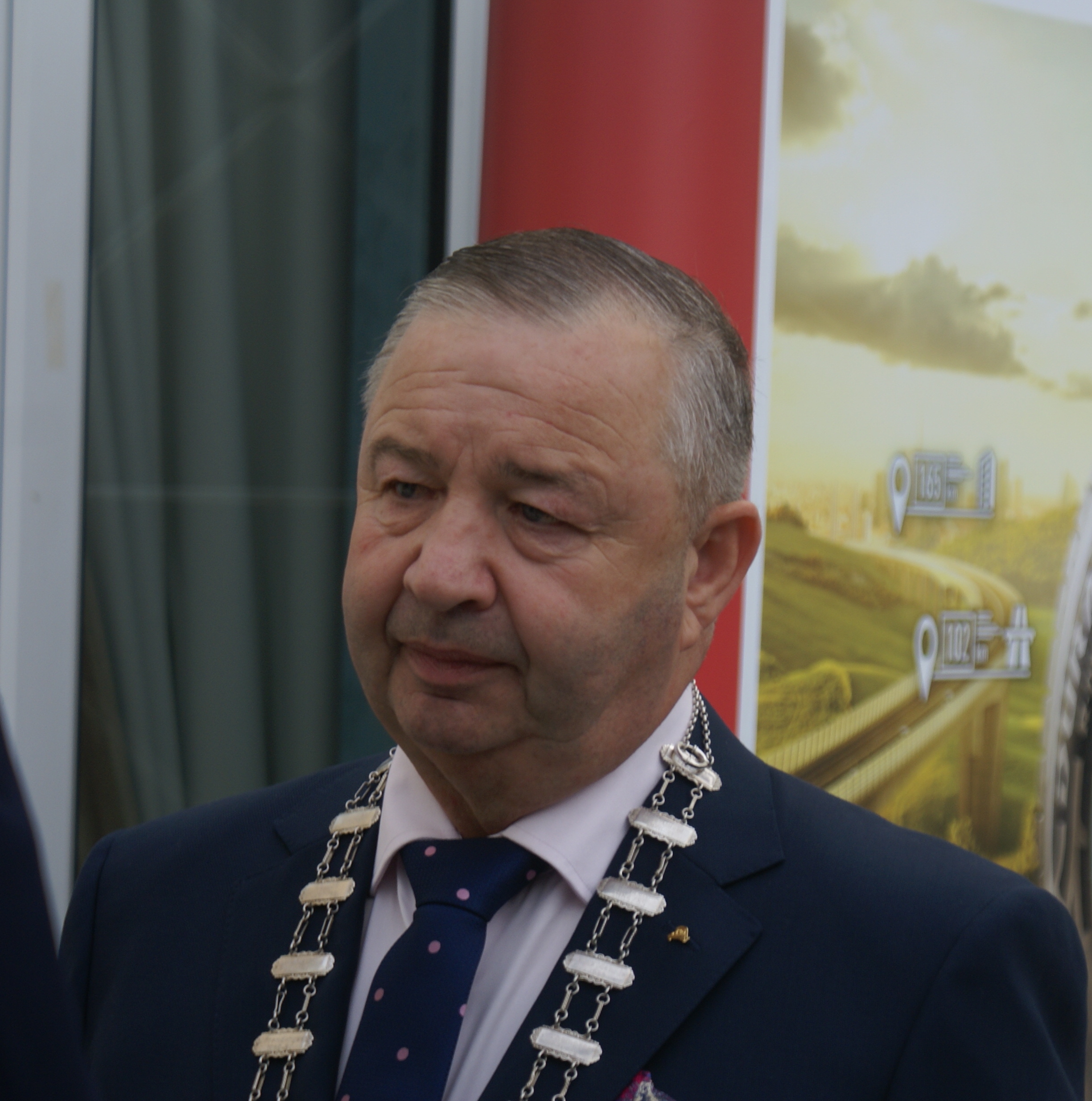
Its president, Ger Hyland, has also used recent media appearances to underline the importance of fuel supports to the wider economy.
Speaking on RTÉ’s Morning Ireland, Hyland pointed out that practically everything people eat, wear or use reaches its destination at some stage on the back of a truck. He argued that withdrawing fuel supports too quickly would increase transport costs and place further upward pressure on prices throughout the economy.
The IRHA maintains that support for hauliers should not be viewed as assistance for one industry alone. A competitive and sustainable road transport sector is essential to Ireland’s entire supply chain and national economy.
The Association’s message to policymakers is clear: Irish hauliers are prepared to play their part in delivering a cleaner future, but they cannot be expected to finance the transition through an ever-increasing burden of fuel taxes and levies.
If haulage businesses become uncompetitive or financially unsustainable, the consequences will extend far beyond the transport industry—affecting every Irish business and household that depends on the reliable movement of goods.