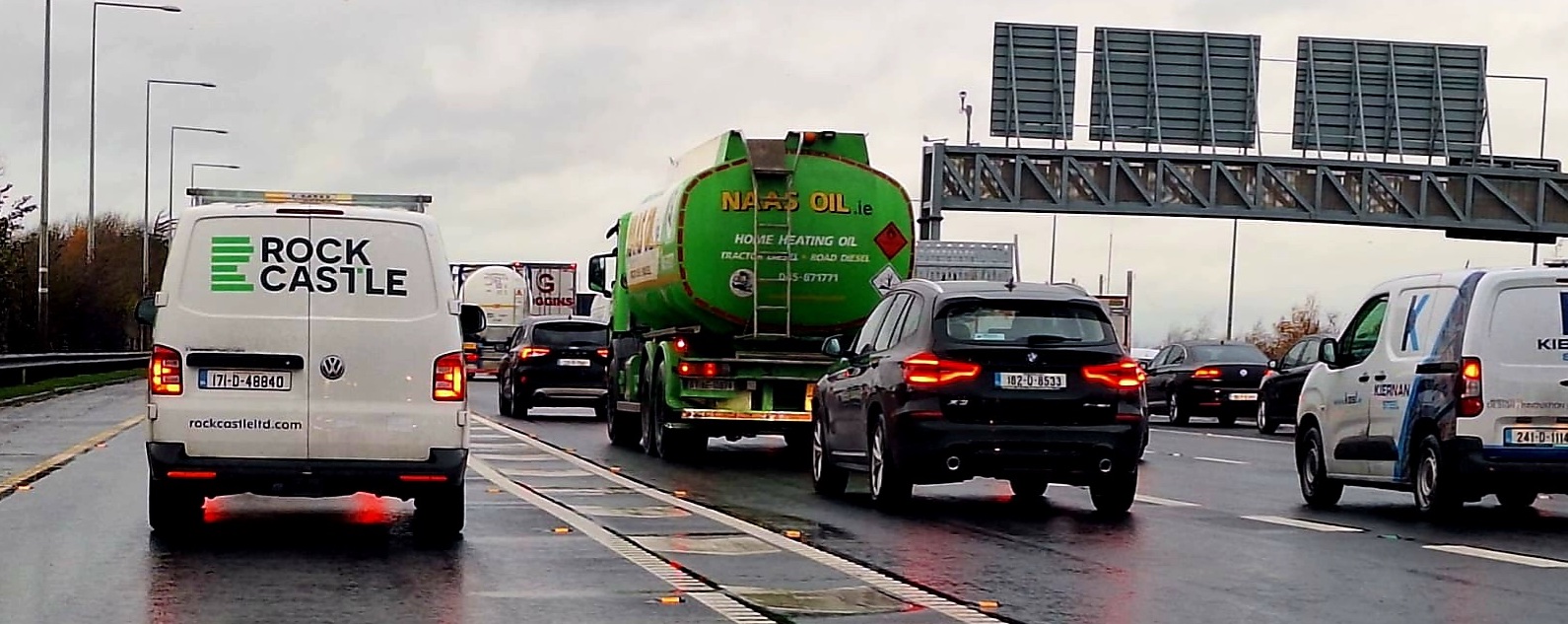
Addressing the HGV (Heavy Goods Vehicle) driver shortage in Ireland requires action from government, employers, training providers, and the logistics industry. The shortage is driven by an ageing workforce, rising demand for freight transport, licensing barriers, working conditions, and competition from other sectors.
Here are some of the most effective measures:
1. Make it easier and cheaper to become an HGV driver
Many new drivers are put off by the upfront cost of training and licensing, which can run into several thousand euro.
Possible solutions:
- Expand government-funded training grants.
- Increase employer-sponsored apprenticeships and “earn while you learn” programmes.
- Simplify the licensing process while maintaining safety standards.
- Offer tax relief for training costs.
2. Improve pay and conditions
Salary is only part of the issue. Many drivers cite long hours, unpredictable schedules, and time away from home.
Improvements could include:
- More predictable rostering.
- Better overtime compensation.
- Increased paid leave.
- Modern vehicles with improved driver comfort.
- Flexible shift options for local work.
3. Attract younger people
The average HGV driver is significantly older than the average worker.
Actions include:
- Promote logistics careers in secondary schools.
- Expand apprenticeships beginning at age 18.
- Showcase technology in modern trucking, such as telematics and electric vehicles.
- Create clear career pathways into transport management or fleet operations.
4. Increase female participation
Women remain significantly underrepresented in HGV driving.
Industry could:
- Improve workplace facilities.
- Design recruitment campaigns aimed at women.
- Provide mentoring and networking opportunities.
- Offer flexible working arrangements that support family responsibilities.
5. Recruit internationally
Where domestic supply is insufficient, Ireland can recruit qualified drivers from abroad.
This requires:
- Efficient visa and work permit processes.
- Recognition of overseas qualifications where appropriate.
- Language and integration support.
- Employer assistance with relocation.
International recruitment should complement—not replace—investment in the domestic workforce.
6. Improve roadside infrastructure
Driver welfare has a major impact on retention.
Investment should focus on:
- Secure overnight parking.
- Clean toilets and showers.
- Safe rest areas.
- Food and charging facilities.
- Better facilities near ports and major freight corridors.
7. Reduce administrative burden
Drivers often spend considerable time on paperwork and waiting.
Technology can help through:
- Electronic proof of delivery.
- Digital scheduling.
- Automated compliance systems.
- Faster loading and unloading processes.
- Better communication between depots and customers.
8. Improve retention
Keeping experienced drivers is often more cost-effective than recruiting new ones.
Retention measures include:
- Health and wellbeing programmes.
- Regular skills training.
- Recognition and reward schemes.
- Career development opportunities.
- Pension and long-service benefits.
9. Increase productivity
The shortage can also be eased by making existing drivers more productive.
Examples include:
- Better route optimisation.
- Consolidating freight loads.
- Reducing empty return journeys.
- Greater collaboration between logistics companies.
- Increased use of regional distribution hubs.
10. Develop a long-term national freight strategy
Government and industry should work together to forecast future labour needs and coordinate policy.
A strategy could include:
- Labour market forecasting.
- Annual workforce targets.
- Investment in training capacity.
- Monitoring regional shortages.
- Support for decarbonisation and new vehicle technologies.
Priorities for Ireland
The greatest impact is likely to come from combining several measures rather than relying on a single solution:
- Subsidise HGV training and apprenticeships.
- Improve driver pay and work-life balance.
- Invest in secure parking and roadside facilities.
- Encourage more young people and women into the profession.
- Streamline international recruitment where shortages persist.
- Use digital technology to reduce delays and increase productivity.
No single measure will eliminate the shortage, but a coordinated approach can strengthen the resilience of Ireland’s freight sector, reduce supply chain disruptions, and support economic growth while making HGV driving a more attractive long-term career.