Fuel is one of the biggest operating costs for heavy goods vehicles, so even small improvements add up quickly. The key is combining smarter driving with good maintenance and planning.
Driving habits make the biggest difference
Smooth, steady driving saves more fuel than almost anything else. Harsh acceleration and braking burn a lot of diesel, so aim to build speed gradually and anticipate traffic so you can ease off instead of braking late. Staying in the optimal rev range (often called the “green band”) keeps the engine efficient—revving too high wastes fuel.
Cruise control can help on long, flat stretches, but it’s less efficient on hilly roads where manual control lets you manage momentum better. Keeping a consistent speed is generally more economical than constantly speeding up and slowing down.
Use gears intelligently
Modern HGVs are designed to run efficiently at lower RPMs. Shift up early and avoid “over-revving” each gear. If your truck has an automated gearbox, letting it operate in economy mode usually gives better fuel results than overriding it.
Reduce idling
An idling engine can burn several litres per hour. If you’re stopped for more than a minute or two (and it’s safe to do so), switching off the engine saves fuel and reduces wear. Many fleets now track idle time because of how much it costs over time.
Plan routes and avoid congestion
Stop-start traffic is a fuel killer. Using route planning tools or apps like Google Maps or Waze to avoid traffic jams, roadworks, and steep gradients can significantly cut consumption.
Keep tyres in top condition
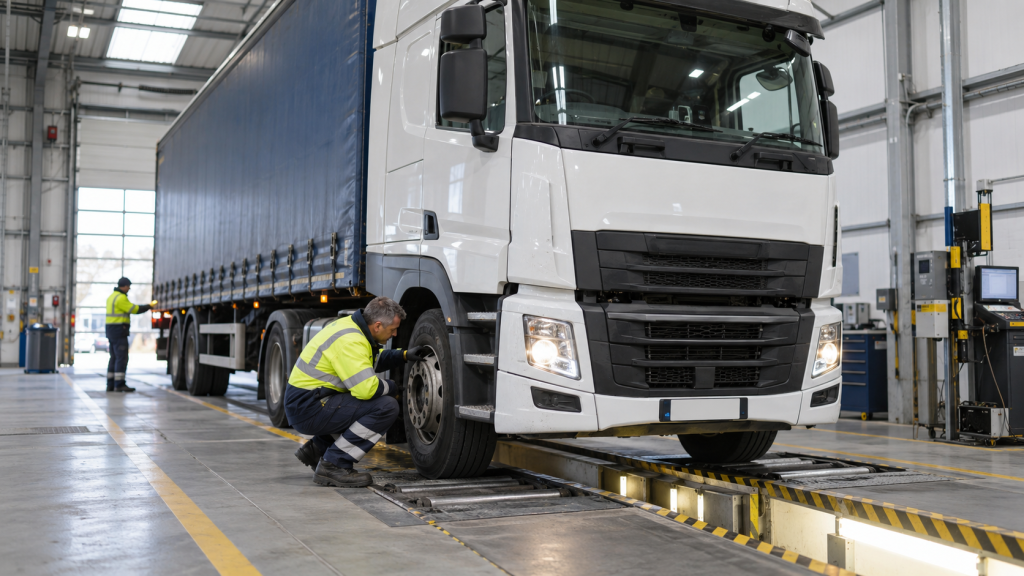
Underinflated tyres increase rolling resistance, which means the engine has to work harder. Regularly check tyre pressure and alignment. Even a small drop in pressure can noticeably increase fuel use over long distances.
Cut unnecessary weight and drag
The heavier the load, the more fuel you burn—so avoid carrying anything you don’t need. Aerodynamics matter too: roof deflectors, side skirts, and keeping trailer gaps minimal can reduce drag, especially at motorway speeds.
Regular maintenance matters
A well-maintained engine runs more efficiently. Dirty air filters, worn injectors, or poor-quality oil can all increase fuel consumption. Sticking to service intervals and using the right lubricants keeps everything running optimally.
Use telematics and driver feedback
Many fleets use onboard systems to monitor fuel use, harsh braking, idling, and speed. Reviewing this data helps drivers adjust habits and identify where fuel is being wasted.
Train for eco-driving
Formal eco-driving training can reduce fuel consumption by 5–15% in many cases. It’s one of the quickest returns on investment for fleet operators.