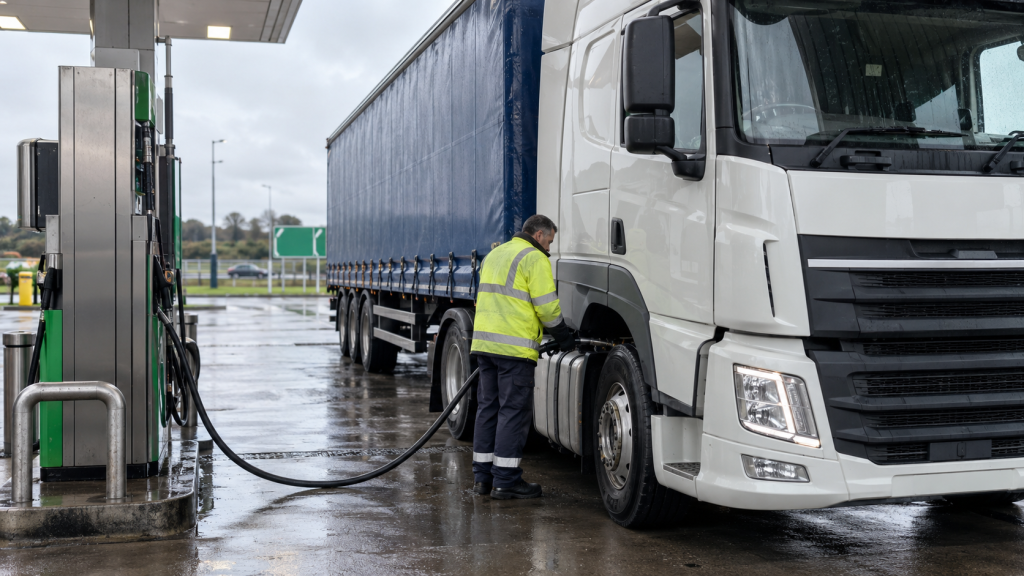
HGV drivers remain essential to Ireland’s economy, transporting everything from food and fuel to construction materials, machinery and consumer goods.
For qualified drivers, the sector offers a wide range of employment opportunities across general haulage, distribution, retail logistics, waste management, construction, agriculture, pharmaceuticals and international transport.
What HGV driving jobs are available?
HGV driver vacancies in Ireland generally fall into several categories:
- Local and regional multidrop deliveries
- Nationwide distribution
- Articulated truck driving
- Construction and tipper work
- Tanker and fuel distribution
- Refrigerated transport
- Waste and recycling operations
- Port and container work
- International driving between Ireland, Britain and mainland Europe
Working conditions vary considerably. Some positions involve regular daytime hours and a return home every evening, while long-distance and international work may require overnight stays.
Drivers should therefore look beyond the headline wage and consider working hours, routes, overnight requirements, allowances, pension contributions and the type of equipment being operated.
What qualifications are required?
Anyone driving a truck professionally in Ireland generally needs the appropriate category of driving licence.
A Category C licence permits the holder to drive rigid trucks, while a Category CE licence is required for articulated vehicles and truck-and-trailer combinations.
Professional drivers must also hold a valid Driver Certificate of Professional Competence, commonly known as Driver CPC. Existing drivers must complete 35 hours of periodic training during every five-year cycle to maintain their professional qualification.
Depending on the job, employers may also request:
- A valid digital tachograph card
- Manual-handling certification
- Safe Pass for construction-related work
- ADR certification for dangerous goods
- Forklift or truck-mounted forklift training
- Previous multidrop or articulated driving experience
- A good understanding of drivers’ hours and tachograph rules
A clean or relatively clean driving record is usually preferred, although individual employers may have different insurance requirements.
What does an employer expect?
Driving ability is only one part of the job. Employers are looking for dependable professionals who can operate safely, represent the company properly and deliver goods on schedule.
A good HGV driver should be able to complete daily vehicle checks, secure loads correctly, maintain accurate records and report defects immediately. Drivers must also comply with rules covering driving time, rest periods, working time and tachograph use.
Customer service is becoming increasingly important, particularly in retail and multidrop distribution. Drivers are often the main point of contact between a transport company and its customers.
Is HGV driving a good career?
HGV driving can offer a secure and rewarding career for people who enjoy independence, responsibility and working outside a conventional office environment.
Earnings depend on experience, licence category, working hours and the nature of the operation. Specialist roles involving tankers, dangerous goods, abnormal loads or international transport may offer enhanced rates or additional allowances.
New drivers should assess the complete employment package, including:
- Basic hourly or weekly pay
- Overtime rates
- Night and weekend premiums
- Subsistence and overnight allowances
- Guaranteed working hours
- Holiday entitlement
- Pension and healthcare benefits
- Training and licence support
- The age and condition of the vehicle fleet
The highest advertised rate is not always the best job. Predictable hours, professional management, modern trucks and a strong safety culture can make a considerable difference to a driver’s working life.
How can new drivers enter the industry?
The cost of obtaining an HGV licence can be a barrier, but some employers provide training or financial assistance to suitable candidates. Prospective drivers should also investigate recognised training and apprenticeship routes.
Before applying, candidates should prepare a concise CV highlighting their licence categories, Driver CPC status, tachograph card, driving experience and any additional qualifications.
Those entering the industry without previous HGV experience may find opportunities in rigid distribution, waste collection, builders’ merchant deliveries or local transport operations. These roles can provide valuable experience before progressing to articulated or specialist work.
A career that keeps Ireland moving
Ireland’s road transport sector cannot operate without skilled and professional drivers. Every supermarket delivery, construction project, factory shipment and export movement ultimately depends on people behind the wheel.
For anyone considering a practical career with responsibility and strong employment potential, HGV driving remains an option worth exploring. The key is to secure the correct qualifications, choose a reputable employer and understand exactly what each position involves before accepting an offer.