Irish hauliers operating across Europe could benefit from reduced motorway charges under newly adopted EU legislation, but the savings will depend on national decisions and the emissions performance of individual trucks.
The European Union has formally adopted new road charging rules that could allow transport operators to benefit from discounts of up to 75 per cent on certain tolls for low-emission trucks and buses.
The Council of the European Union approved amendments to the Eurovignette Directive on Monday, 26 October, following the European Parliament’s endorsement earlier this month.
The changes are designed to encourage the use of cleaner heavy-duty vehicles while providing greater clarity on how road charges are calculated across Member States.
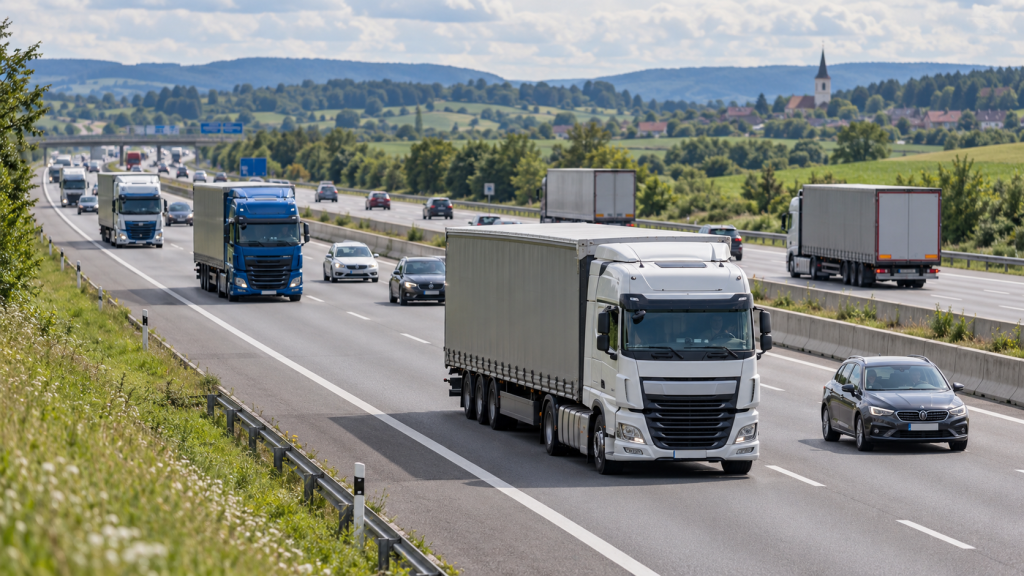
For Irish hauliers operating internationally, the new framework could eventually deliver savings on routes through countries such as Germany, France, Belgium and the Netherlands.
However, the discounts will not be automatic, and individual Member States will retain discretion over whether to introduce them.
2eu.brussels+1
How the 75 per cent discount will work
Under the revised rules, Member States will be permitted to reduce infrastructure charges or user charges for qualifying low-emission heavy-duty vehicles by up to 75 per cent compared with the rate applicable to vehicles in CO₂ emission class 1.
The maximum reduction will be available until 30 June 2031, provided the Member State also exempts zero-emission vehicles from the relevant charges.
From 1 July 2031, the maximum permitted discount for low-emission vehicles will fall to 50 per cent, while zero-emission vehicles may continue to benefit from reductions of up to 75 per cent.
Importantly, these provisions do not mean that every Euro 6 diesel truck will qualify for a discount.
Eligibility will depend on the vehicle’s CO₂ emissions classification under the Eurovignette framework, rather than simply its Euro emissions standard.
What could Irish hauliers save?
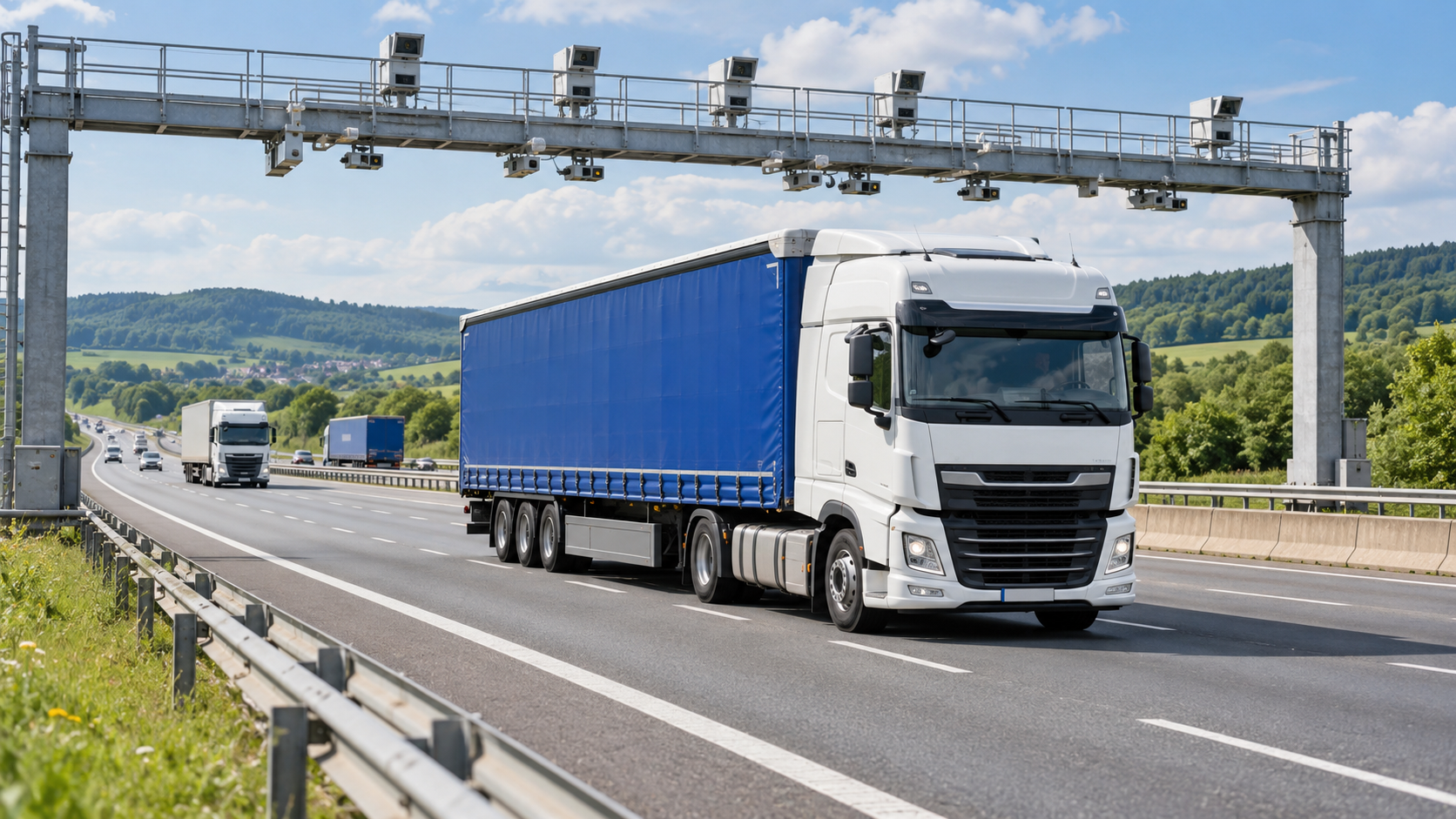
For Irish international transport operators, motorway tolls already represent a significant operating expense, particularly on routes involving several European countries.
The potential savings could be substantial for operators investing in vehicles that meet the relevant emissions criteria.
For example, an eligible truck currently incurring €10,000 annually in qualifying infrastructure or user charges could theoretically save up to €7,500 if the full 75 per cent reduction were introduced and applied to all those charges.
That is an illustration of the maximum potential saving, rather than a forecast of what operators will actually receive.
The actual financial benefit will depend on national tolling arrangements, vehicle classification, routes travelled and the charges covered by the discount.
For Irish hauliers already facing rising fuel, labour, insurance and compliance costs, even a more modest reduction could make a difference to annual operating expenses.
Electric trucks could benefit most
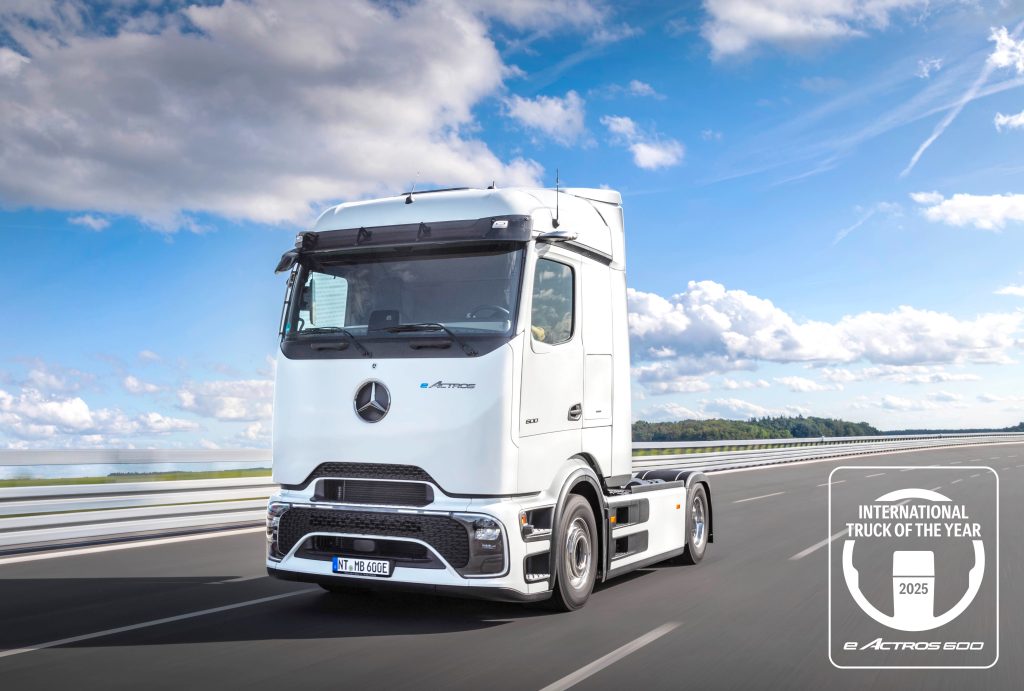
The revised directive maintains preferential treatment for zero-emission heavy-duty vehicles, including qualifying battery-electric and hydrogen-powered trucks.
Member States may exempt these vehicles from relevant infrastructure or user charges until the end of June 2031.
This could improve the financial case for investing in electric trucks, particularly for operators covering substantial distances on tolled European motorway networks.
However, reduced tolls alone are unlikely to remove the financial barriers associated with purchasing and operating zero-emission trucks.
Vehicle purchase prices, charging infrastructure, grid connections and operational range remain important considerations for transport companies.
No discounts for more efficient trailers — yet
One notable omission from the final agreement concerns fuel-efficient trailers and semi-trailers.
Earlier proposals considered allowing road charges to reflect the environmental performance of trailers, including aerodynamic improvements and other efficiency measures.
However, EU legislators decided not to introduce trailer-based toll incentives at this stage.
The Council and Parliament concluded that such a system could increase administrative complexity and create difficulties for electronic toll collection and enforcement.
The European Commission must examine the issue further by 30 June 2029.
This means operators investing in aerodynamic trailers and other fuel-saving equipment will not receive a specific toll discount under the latest amendments solely because of those trailer improvements.
- Every key deadline: diesel rebate, fuel excise, carbon tax
- Tick-box checklist for tacho, CVRT, CPC & operator licence
- Where drivers get caught at RSA roadside checks
Consilium
New timetable for implementation
The directive also clarifies the way heavy-duty vehicles will be classified according to their CO₂ emissions.
Member States must transpose the amendments into national legislation by 31 December 2027, while certain revised vehicle classification provisions will apply from 1 January 2028.
The legislation also provides additional time for tolling authorities to introduce charging arrangements for newly covered vehicle categories.
The amendments will enter into force following signature and publication in the EU’s Official Journal, according to the legislative timetable.
As a result, operators should not expect an immediate reduction in their motorway toll bills simply because the Council has adopted the changes.
2eu.brussels+1
What does this mean for Irish hauliers?
For Irish transport companies engaged in international haulage, the revised Eurovignette Directive introduces another factor to consider when purchasing new trucks and calculating operating costs.
Vehicles with favourable CO₂ emissions classifications could become more attractive on routes where Member States offer substantial toll reductions.
However, operators will need to establish whether their vehicles qualify, which countries offer discounts and whether those discounts apply to the roads they use.
There is also an important question for the Irish Government.
Although Ireland does not operate a motorway tolling system identical to those in some continental European countries, the revised EU framework raises questions about how future road charging policies might encourage the use of lower-emission commercial vehicles.
For the wider European haulage industry, the changes represent another step towards linking the cost of road transport more closely to vehicle emissions.
For Irish hauliers, the message is clear: cleaner trucks could eventually mean lower European toll bills, but the financial benefits will depend on how individual countries implement the new rules.