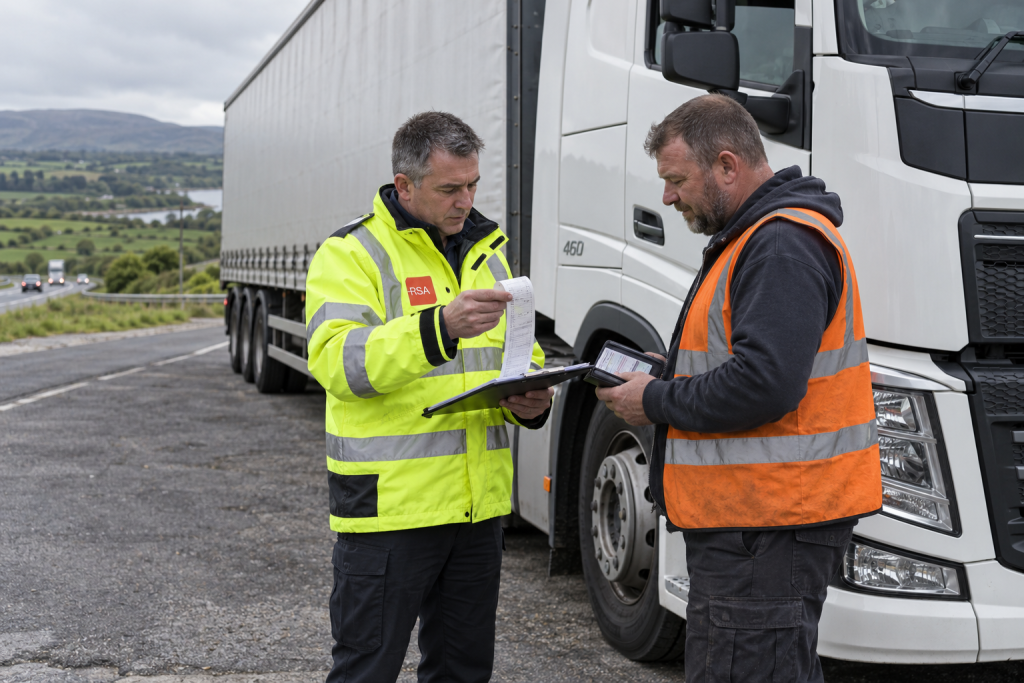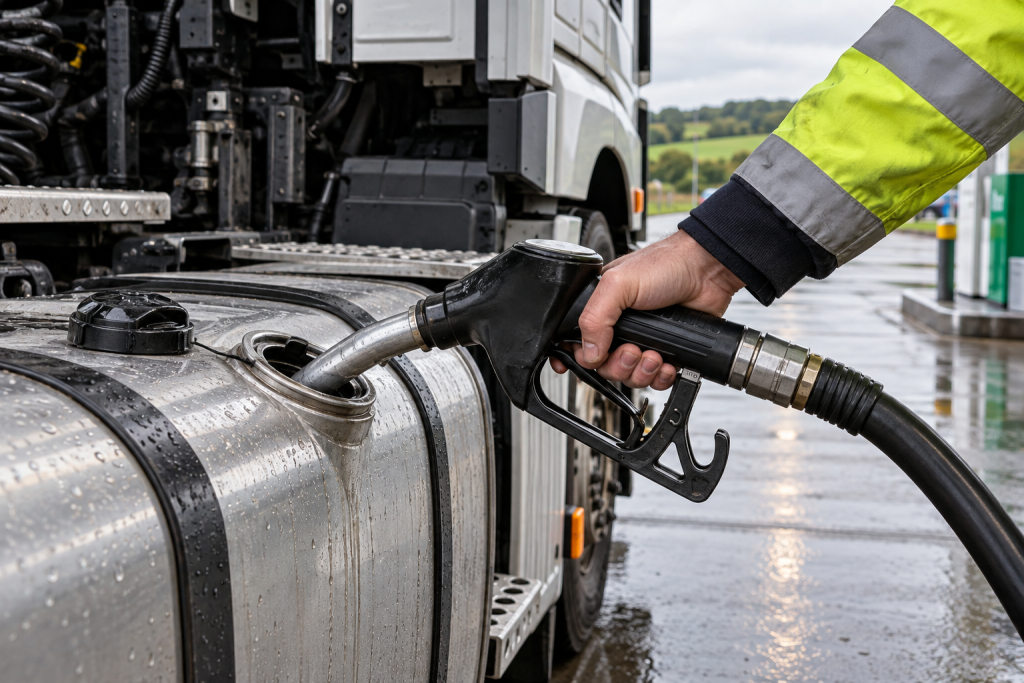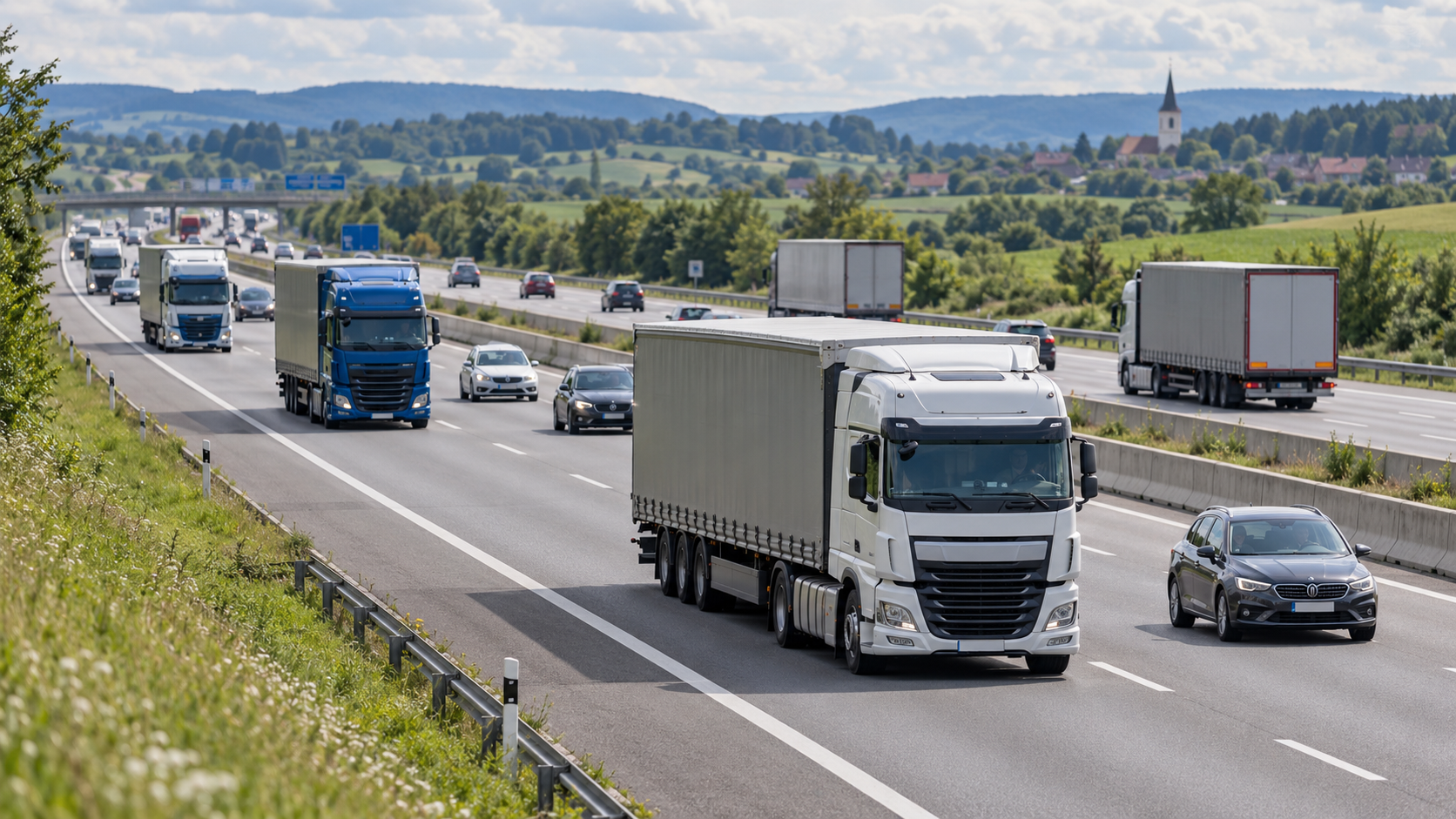
Smaller European haulage operators face a difficult squeeze as driver shortages restrict the work they can accept, while diesel costs increase the financial pressure of keeping trucks on the road.
For Irish hauliers, the combination presents a clear business risk: winning additional work offers little benefit if there is no driver available to carry it out, or if the rate fails to cover the cost of the journey.
The International Road Transport Union’s (IRU) 2025 survey estimated approximately 502,000 unfilled truck-driving positions across Europe, equivalent to a shortage rate of 13%. These are survey-based estimates for 2025, rather than a new October 2026 count.
Smaller fleets face greater recruitment pressure
The IRU findings show that operators with fewer than 50 employees reported driver shortage rates six percentage points higher than larger companies. Around two-thirds of European operators surveyed said they had turned down new contracts because they could not find sufficient drivers.
For a small fleet, losing one experienced driver can mean parking a truck, reorganising established routes or paying for replacement capacity. Vehicle finance, insurance and other standing costs continue even when that truck is not earning.
Larger businesses may have greater scope to move drivers between contracts or maintain dedicated recruitment teams. Smaller operators often have to manage recruitment alongside daily transport planning and customer demands.
Diesel increases the cash-flow burden
Fuel adds a second pressure. IRU’s first-quarter 2026 freight market analysis reported that average EU diesel prices rose from €1.56 per litre at the end of 2025 to €1.96 at the end of March 2026. Those figures describe that period and should not be treated as current Irish pump prices.
The commercial exposure depends on how quickly an operator can recover additional costs.
Where fuel adjustments lag behind price movements, the haulier must finance the difference. Fixed-price work can leave margins exposed, particularly where contracts provide little opportunity for review.
For illustration, a 10-cent increase per litre adds €500 to the fuel bill of a vehicle consuming 5,000 litres a month, before allowing for differences in tax treatment or rebates.
Retention becomes a business priority
Recruiting additional drivers is only part of the response. IRU’s research identifies predictable schedules, time at home, vehicle conditions and secure parking among the factors influencing whether drivers stay. It also estimates that approximately 660,500 European truck drivers will retire by 2030.
For smaller Irish operators, that strengthens the case for examining avoidable waiting time, realistic delivery schedules and regular communication with drivers alongside pay.
The immediate commercial priority is to assess contracts against actual operating costs and available driver capacity. Fuel adjustment clauses, payment terms, empty mileage and loading delays all deserve scrutiny.
A full order book can conceal a weakening business if additional work absorbs scarce drivers and working capital without delivering an adequate return. For smaller hauliers, the crucial decision is which work they can service reliably at a sustainable margin.