The UK road haulage industry continues to operate under intense pressure as rising costs, driver shortages, regulatory demands and the transition to cleaner vehicles combine to squeeze already narrow margins.
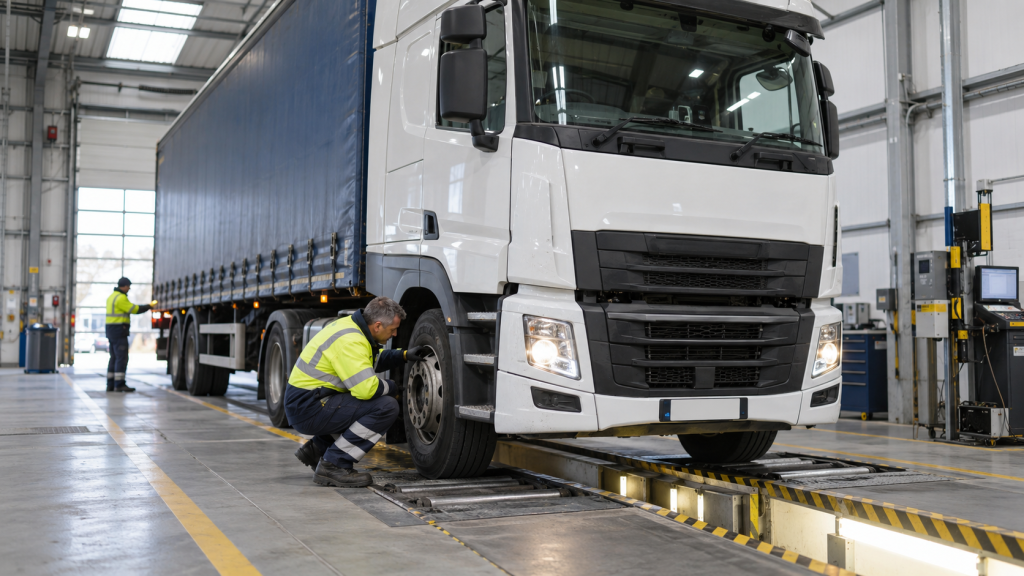
One of the most immediate challenges is the continuing rise in operating costs. Fuel remains a major and unpredictable expense, while wages, insurance, vehicle finance, tyres, maintenance and replacement parts have also become more expensive. Many operators find it difficult to pass these increases on to customers, particularly where contracts were agreed before costs began rising.
Smaller hauliers are especially vulnerable. They often lack the purchasing power and financial reserves available to larger logistics groups. Late payment adds further pressure, leaving otherwise profitable businesses struggling to meet fuel bills, wages and vehicle-finance commitments.
The availability of qualified HGV drivers remains another serious concern. Although the acute shortages experienced several years ago have eased, recruitment and retention continue to restrict the industry. UK government figures show that 25 per cent of road freight businesses reported HGV driver vacancies during the first quarter of 2026.
An ageing workforce presents an additional long-term problem. The industry must attract more young people, women and career changers while competing with sectors offering more predictable hours and working conditions. The cost of licence acquisition, training and insurance can create significant barriers for new entrants.
Poor roadside facilities also damage the sector’s ability to retain drivers. A shortage of secure parking, showers, toilets and good-quality food remains a frequent complaint. Improving working conditions will be essential if haulage is to compete effectively for labour.
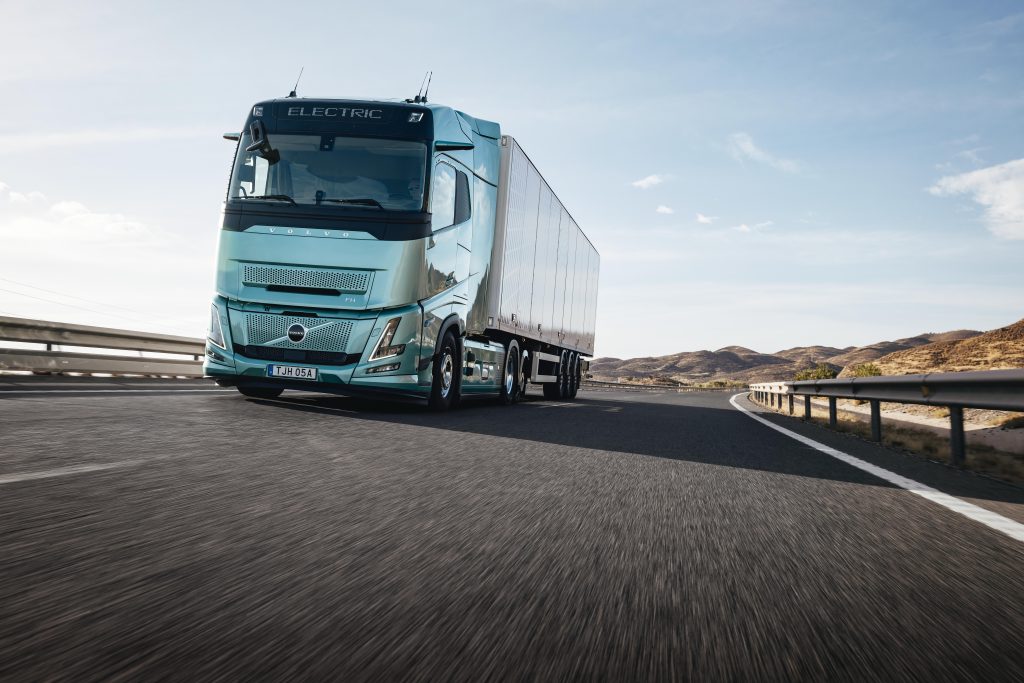
The transition towards zero-emission transport presents both an opportunity and a major financial challenge. The UK plans to end sales of new non-zero-emission HGVs weighing up to 26 tonnes in 2035, followed by heavier vehicles in 2040.
However, electric trucks remain considerably more expensive than diesel equivalents. Operators must also consider vehicle range, payload, charging times and the availability of suitable depot power. Public charging infrastructure for long-distance HGV operations remains limited, while upgrading a depot’s electricity connection can be costly and time-consuming.
Post-Brexit trade procedures continue to affect international operators. Customs declarations, safety and security requirements, sanitary controls and different UK and EU systems have added administrative work. Documentation errors can result in vehicles being delayed at ports, disrupting delivery schedules and increasing costs.
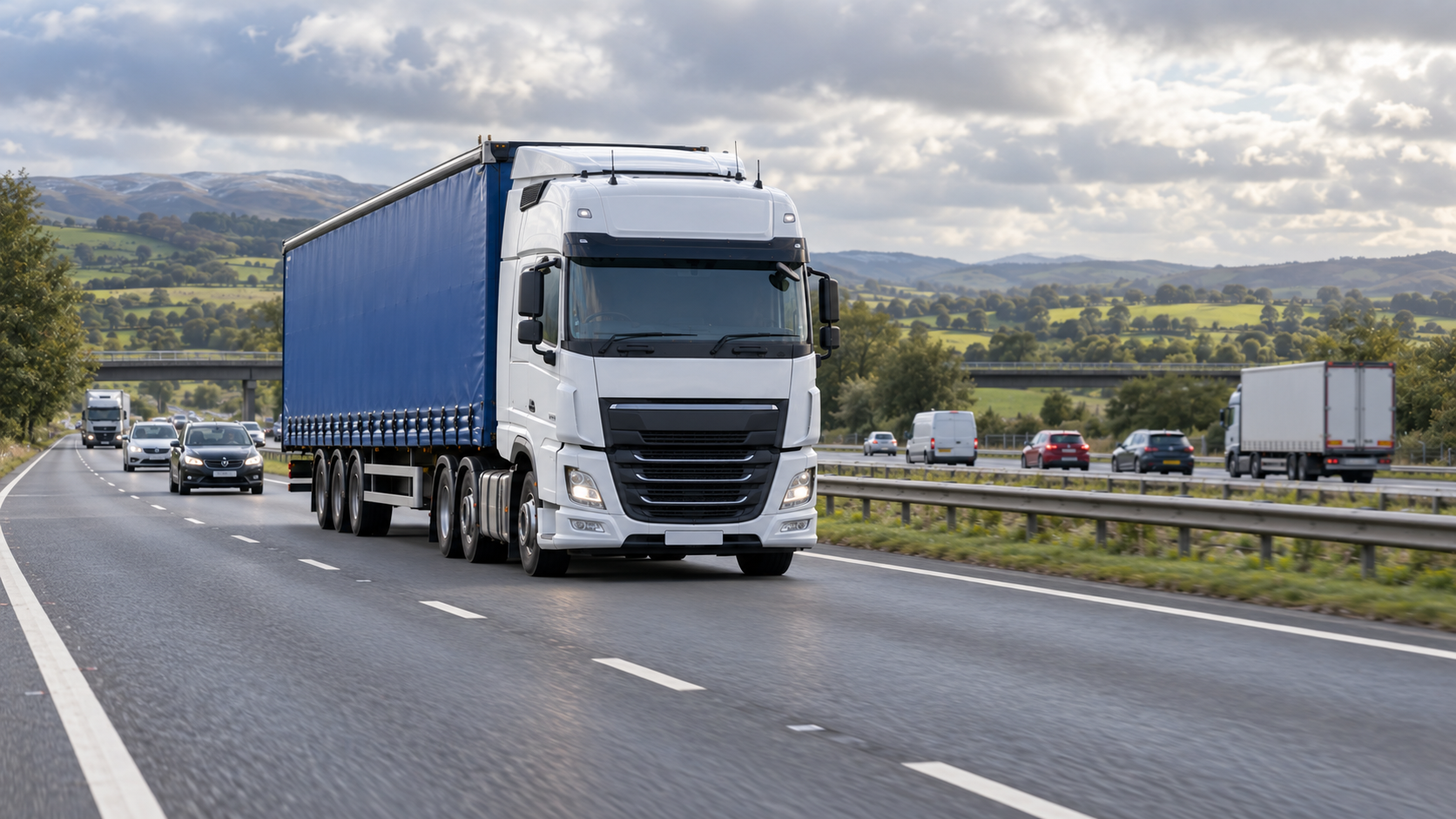
Congestion and unreliable journey times are further obstacles. Delays on major routes reduce vehicle productivity, waste fuel and make it more difficult for drivers to remain within legal driving-time limits. Roadworks, urban restrictions and clean-air charging schemes add another layer of complexity.
Technology can help operators improve routing, fuel efficiency, compliance and fleet utilisation. However, investing in telematics, transport-management systems and cybersecurity requires capital and specialist knowledge.
UK haulage remains essential to the economy, but the sector needs stable policy, better infrastructure, improved driver facilities and practical support for decarbonisation. Without these measures, further business failures and reduced capacity could ultimately increase transport costs throughout the supply chain.