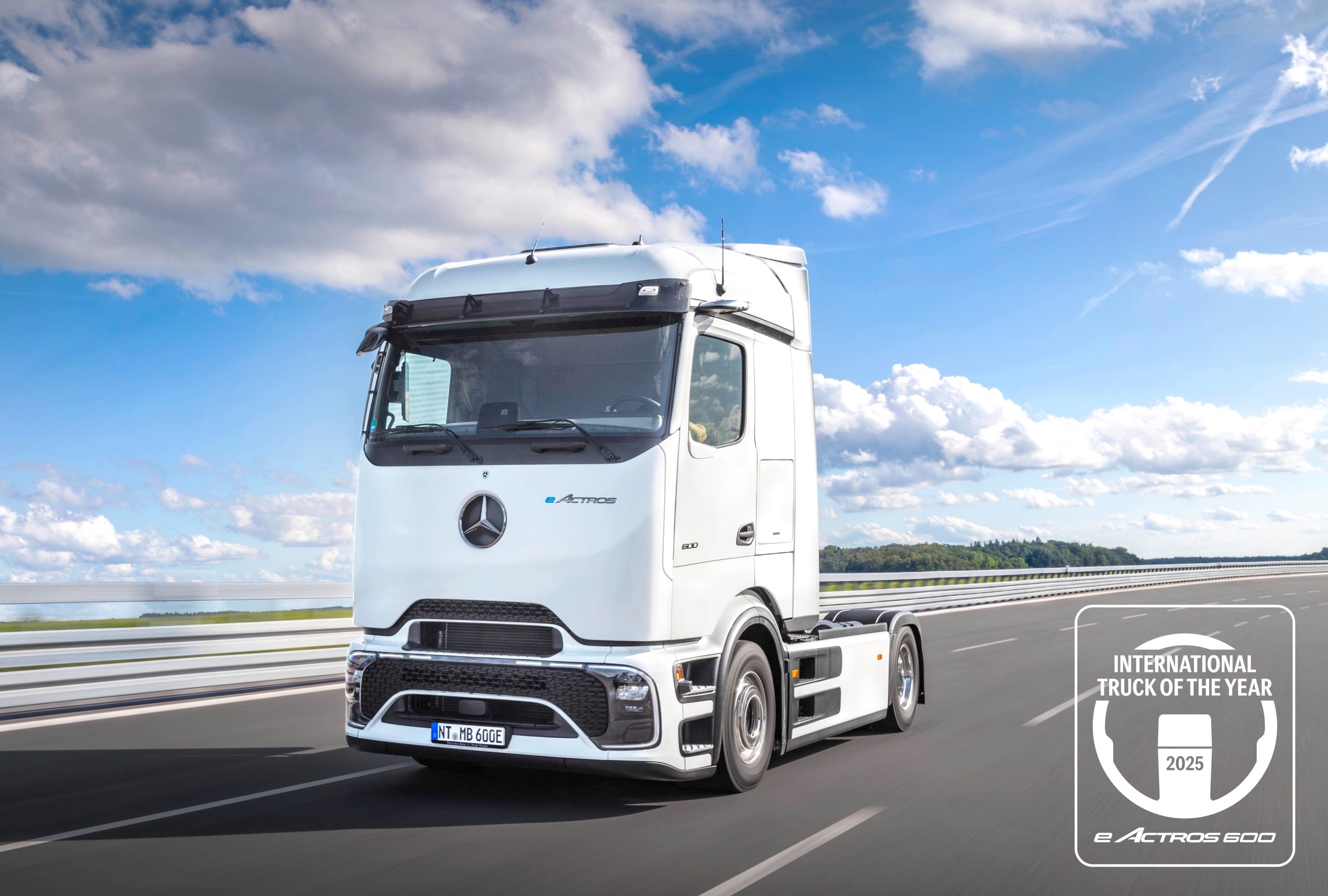
Ireland’s transport sector is under increasing pressure to reduce carbon emissions, and heavy goods vehicles (HGVs) remain one of the biggest contributors to road transport emissions. While battery-electric trucks are still in the early stages of adoption, there is a compelling case for their use in Ireland—particularly for urban, regional and return-to-base operations.
1. Lower Running Costs
Although electric HGVs typically cost significantly more to purchase than diesel equivalents, they can deliver substantial savings over their lifetime.
Key benefits include:
- Electricity is generally cheaper than diesel on a cost-per-kilometre basis.
- Electric drivetrains have fewer moving parts, reducing maintenance costs.
- No engine oil changes, exhaust systems, clutches or complex transmissions.
- Regenerative braking reduces brake wear.
For fleet operators covering predictable daily routes, these operational savings can offset the higher purchase price over time.
2. Significant Carbon Reduction
Transport accounts for approximately one-fifth of Ireland’s greenhouse gas emissions, with HGVs responsible for a disproportionate share despite representing only a small percentage of vehicles on the road.
Electric trucks produce:
- Zero tailpipe emissions.
- Lower lifecycle emissions when powered by renewable electricity.
- Improved air quality in towns and cities.
As Ireland’s electricity grid continues to increase its renewable energy share, the environmental benefits will become even greater.
3. Ideal for Irish Distribution Networks
Ireland’s geography is well suited to many electric HGV applications.
Many haulage operations involve:
- Daily regional deliveries.
- Supermarket distribution.
- Municipal services.
- Waste collection.
- Construction material deliveries.
- Port operations.
Most of these vehicles return to their depot each evening, making overnight charging practical and eliminating the need for extensive public charging infrastructure.
4. Reduced Noise Pollution
Electric trucks are considerably quieter than diesel vehicles.
Benefits include:
- Early morning urban deliveries.
- Reduced disturbance in residential areas.
- Improved driver comfort.
- Less noise around logistics centres.
Many European cities are already encouraging quieter freight deliveries outside traditional operating hours.
5. Government Support
Ireland is introducing financial supports aimed at accelerating the transition to zero-emission commercial vehicles.
Potential incentives include:
- Purchase grants.
- Capital allowances.
- Reduced road taxes.
- Support for depot charging infrastructure.
- Funding through climate and sustainability programmes.
These measures help reduce the initial investment required by operators.
6. Future-Proofing Fleets
Environmental regulations are becoming increasingly stringent across Europe.
Many major retailers and multinational companies are already asking logistics providers to demonstrate their sustainability credentials.
Early adoption of electric HGVs can:
- Improve competitiveness.
- Strengthen relationships with environmentally conscious customers.
- Help secure contracts where emissions reporting forms part of procurement.
7. Driver Benefits
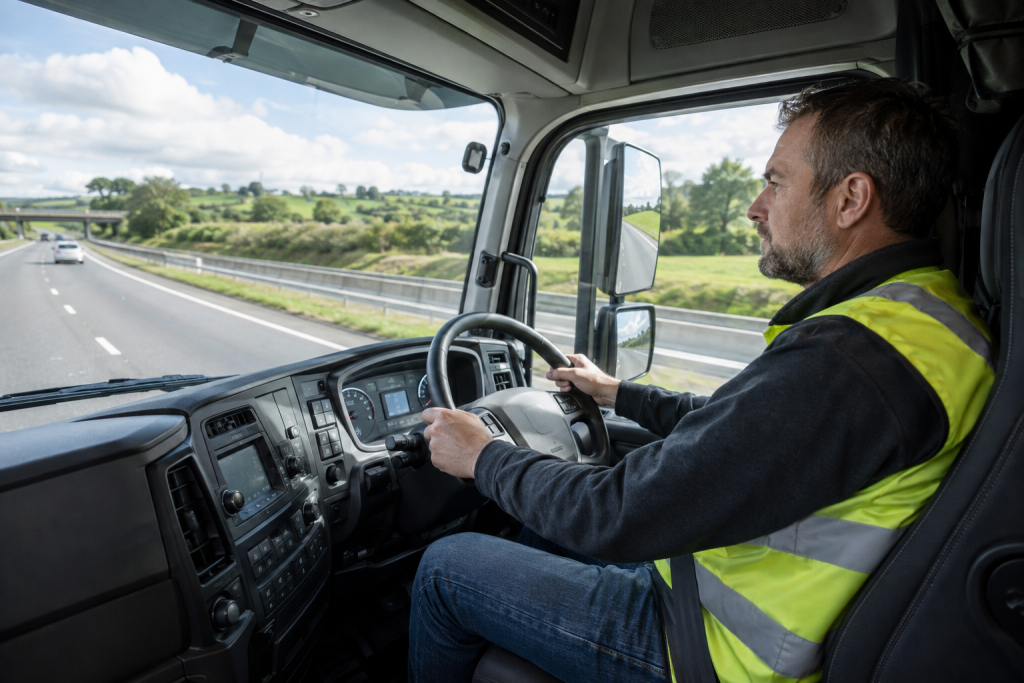
Electric HGVs offer a noticeably different driving experience.
Drivers benefit from:
- Instant torque.
- Smooth acceleration.
- Less vibration.
- Lower cab noise.
- Reduced fatigue during long shifts.
Many operators report strong driver acceptance once behind the wheel.
Challenges Still to Overcome
Despite the advantages, several barriers remain.
High Purchase Cost
Battery-electric HGVs can cost two to three times more than comparable diesel models, making the business case difficult without grants or high annual mileage.
Charging Infrastructure
Ireland’s public charging network for heavy commercial vehicles remains limited.
Many operators will need:
- Depot charging.
- Grid upgrades.
- Careful route planning.
Payload Reduction
Large batteries add weight, which can reduce payload capacity, although regulatory weight allowances can help offset this.
Long-Distance Transport
Battery-electric technology is currently less suited to:
- Cross-border operations.
- Long-haul international freight.
- Continuous multi-shift operations without charging opportunities.
For these applications, alternative low-carbon fuels such as hydrogen or renewable fuels may play an important role alongside battery-electric vehicles.
The Irish Opportunity
Electric HGVs are unlikely to replace every diesel truck in Ireland in the near future. However, they are already a practical solution for many fleet operators whose vehicles travel predictable routes and return to base each day.
As battery technology improves, charging infrastructure expands and purchase costs fall, electric HGVs are expected to become an increasingly important part of Ireland’s commercial vehicle fleet.
For operators willing to invest today, the rewards extend beyond lower emissions. Reduced operating costs, improved driver satisfaction, enhanced environmental credentials and greater preparedness for future regulation all strengthen the case for making the switch.
The transition to electric HGVs in Ireland won’t happen overnight, but for many fleets, the business case is becoming stronger every year.