The Irish Road Haulage Association has accused Dublin Port of announcing new ‘hidden tariffs’ on Irish goods coming into and out of Ireland, that will push up the price of food, fuel, construction materials.
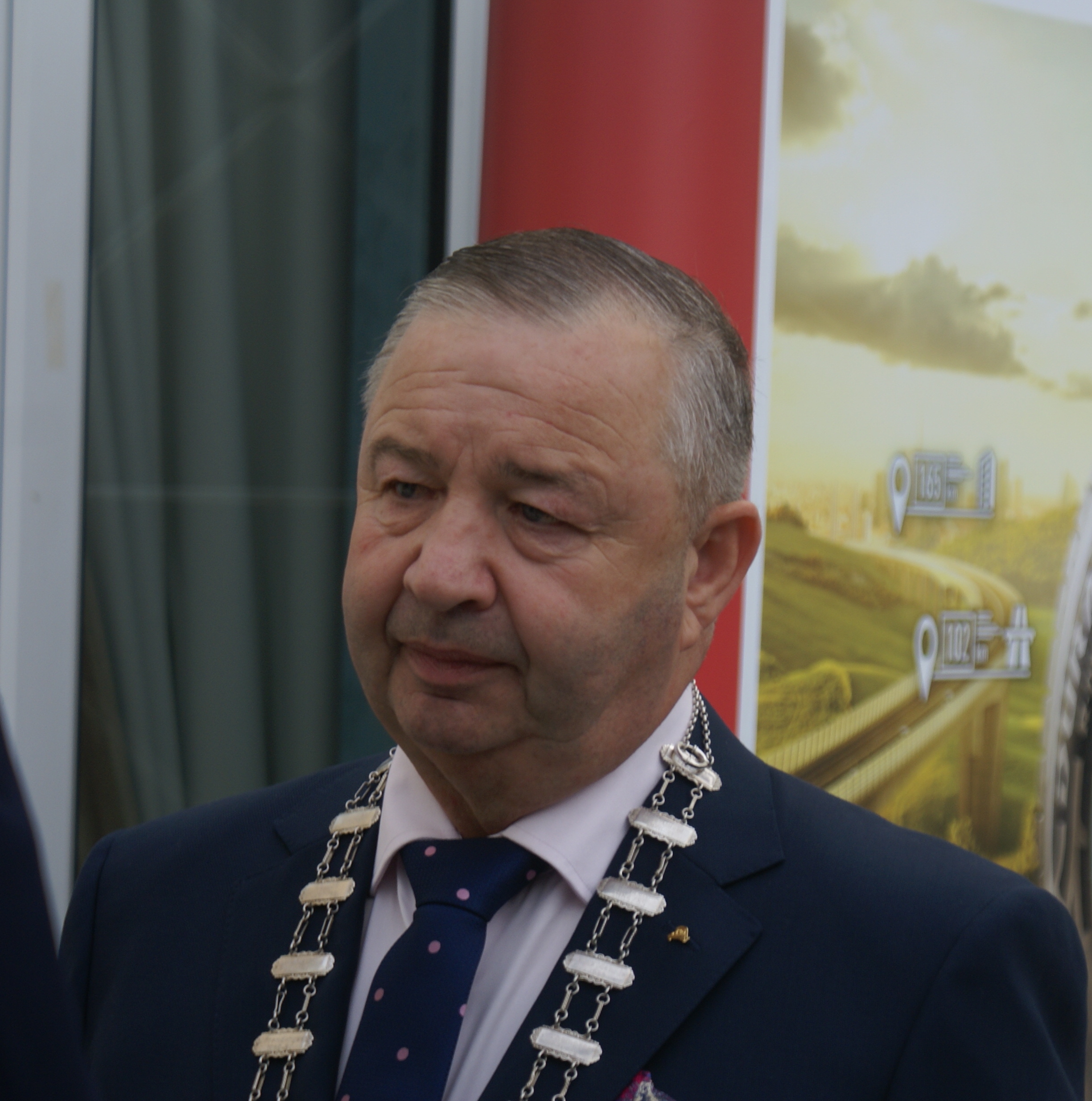
IRHA President, Ger Hyland, has slammed management at Dublin Port for imposing a range of new charges that he claims will lead to higher supermarket prices, higher fuel prices and higher construction material prices.
Mr. Hyland said the moves put Ireland’s competitiveness and ability to compete on the international stage in jeopardy.
New charges at Dublin Port, will include a 5 per cent increase in the price of a container and a new €15 euro infrastructure charge on top of this, meaning an effective 46 per cent increase in the price of a container coming into and out of Ireland, the IRHA says.
Mr Hyland said this would have to be passed on to consumers and described it as a massive act of self-sabotage on Irish trade interests at a time when Dublin Port company’s pre-tax profits increased by 2.6 per cent to €35.9 million – despite Dublin City Council levying a €1.7 mollion vacant site cost on the company.
The IRHA says it is baffled at how these new charges have been sanctioned by the Minister for Transport at a time when some supermarket staples have increased by 55 per cent in just three years and at a time when construction inflation is rampant and we are trying to encourage more house building.
Mr. Hyland said it is a deeply concerning step that will directly increase the cost of doing business in Ireland.
“These charges, effectively hidden tariffs, risk driving up consumer prices, squeezing already pressured supply chains, and undermining the competitiveness of Irish importers, exporters, and logistics operators”
“These charges function as de facto tariffs on trade into and out of Ireland. We lambasted Trump for imposing 15 per cent tariffs on hard pressed Irish businesses and consumers but now Dublin Port has gone ahead and imposed massive back door tariffs on Irish trade in what can only be described as a spectacular own goal!”
“They will inevitably cascade through the supply chain — from shipping companies, to hauliers to distributors, from retailers to consumers. It will lead to even higher prices for hard press Irish consumers and I am calling on the Minister to intervene and see sense.”
Dublin Port has imposed the new charging regime to invest in infrastructure projects, but Mr. Hyland pointed out that consumers in Kerry, Cork and Clare should not have to pay an extra 20 per cent on their shopping basket to fund inefficiencies at Dublin Port – a profitable company.
“At a time when households and businesses are struggling, the last thing Ireland needs is a new layer of charges that make basic goods more expensive – from a Port that is already making millions in profit!. This is a tariff on trade – pure and simple!”
In response to the IRHA’s accusations Dublin Port Company has issued the following statement:
“Dublin Port Company has finalised its pricing framework for 2026–2030 to support the next phase of Masterplan 2040. The dual impact of construction inflation combined with the commencement of the second project of Masterplan 2040, i.e. MP2, has resulted in the requirement for a significant increase in both market pricing and borrowings. Average annual capital investment is set to increase from €65m (2015–2024) to approximately €170m between 2025 and 2030. Continued investment at this scale is essential to maintain capacity and resilience at a Port that already facilitates €165bn of trade each year.
Following consultation with our customers, the updated Port charges, including the introduction of an infrastructure levy from 2026, are necessary to fund this investment and ensure Dublin Port can continue to support Ireland’s trade and economic growth. While we recognise that the increase presents challenges for customers, the changes should be viewed against the substantial economic value the Port enables, and they are not expected to have an inflationary impact. We remain committed to engaging with stakeholders as the implementation phase begins.”