With peak season well underway, fleets across the globe are bracing for an ever increasingly busy time of year. To emphasise how intense the period is, in 2024 FedEx forecasted that parcel carriers would distribute 6.2 billion shipments across Europe between October and December 2024, a 9 % increase over the 5.7 billion delivered in the same period in 2023.
With volumes set to increase further, delivery windows tightening, and customer expectations rising sharply, drivers could be placed under increasing pressure to meet the demand. Even a small delay early in the day can cascade into a backlog of missed ETAs, leading to customer frustration, and longer working hours, all of which heighten an already significant stress burden on the workforce and test legal drivers’ hours limits.
Findings from Geotab’s 2025 survey, “The Unseen Toll: Driver Stress and Road Safety”, reveal that 90% of European commercial drivers say work-related stress negatively impacts driving. Bad news for a sector already grappling with a driver shortage and escalating levels of work-related stress among vehicle operators.
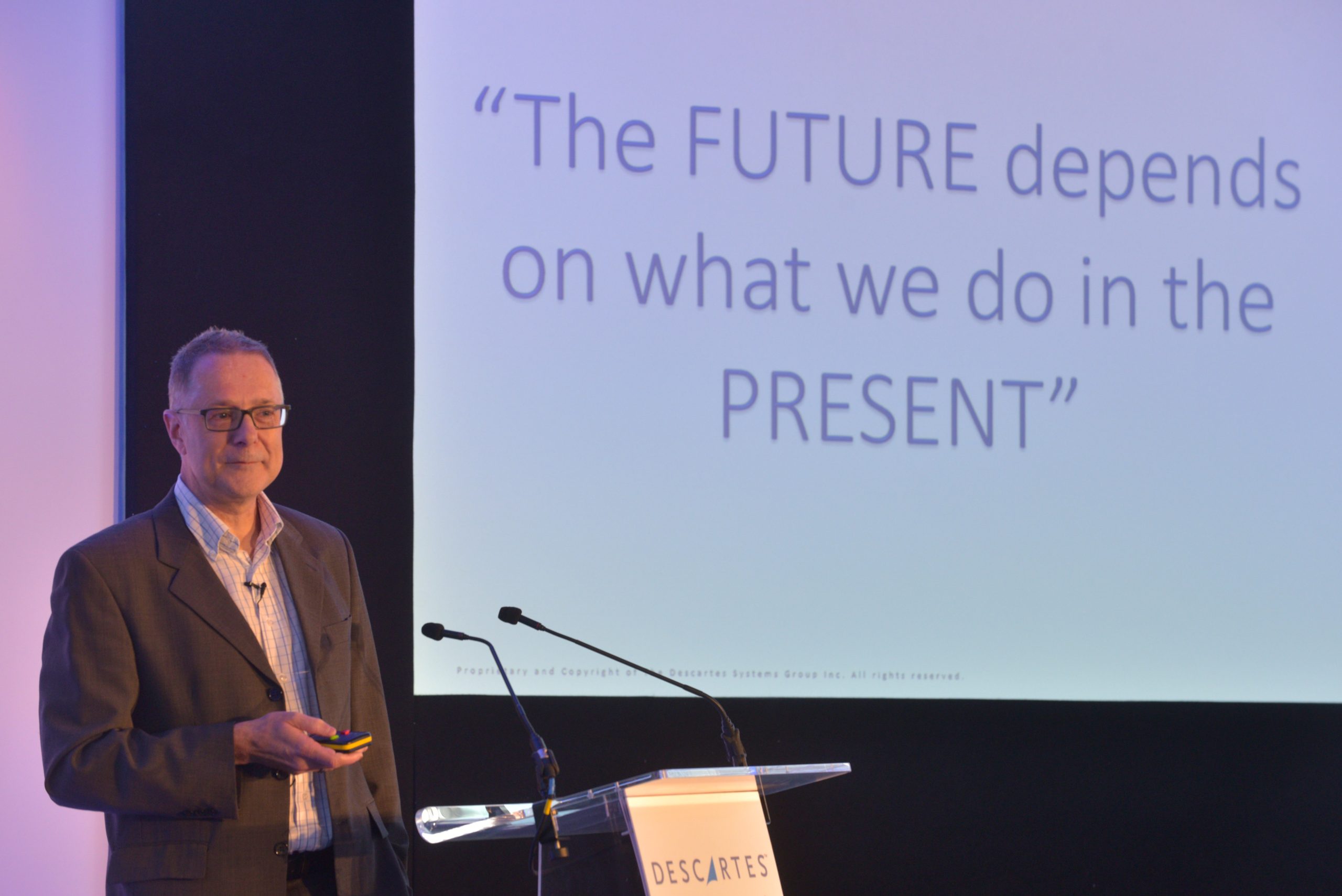
Andrew Tavener, Head of Fleet Marketing EMEA, Descartes, gives his advice on how fleet operators can reduce driver stress and ensure they continue to operate efficiently over the coming months.
The Current State of Play
Geotab’s survey of 3,501 commercial vehicle drivers across Europe, including 500 from the UK, highlighted that 46% have considered quitting their jobs in the past year due to overwhelming stress. These findings demonstrate a workforce operating at its limits. And as demand grows through the final quarter of the year, these pressures are likely set to intensify.
Some of the contributing factors to driver stress include having unrealistic delivery schedules. For instance, half of the drivers feel compelled to regularly exceed speed limits to meet delivery deadlines. As well as this, 64% of drivers stated that excessive traffic or roadworks hinder their ability to complete jobs efficiently. Perhaps the most shameful statistic though is that over half of drivers (55%) feel uncomfortable approaching their employer about stress or mental health concerns, and 37% report that their employer offers minimal or no support in managing these issues.
There’s no doubt that over the coming months, drivers will experience more fatigue from having to juggle more stops per shift. This, combined with the fact that drivers have less room for recovery between shift patterns, could lead to burnout. The result without intervention? The sector could be looking at a deeper crisis among its drivers in a sector that is already feeling the pinch.
How Technology can Reduce Driver Stress
Addressing the challenges at hand requires a multifaceted approach, with technology playing an important role. For example, modern routing and scheduling software enables organisations to relieve the pressure on fleets and drivers by introducing more structure to fleet operations, as well as visibility and control in managing daily delivery commitments.
This technology uses real-time data to allow for more efficient routing that takes into account traffic patterns and road conditions. It then uses an intelligent background optimisation engine to create realistic and achievable delivery plans that eliminate the need to break speed limits or extend their working hours.
Integrated platforms also facilitate better communication between drivers and dispatchers, enabling timely updates and support. It is also recommended to find a function that comes with proactive notifications too. This allows customers to be notified of any delays and changes to the delivery schedule automatically. This not only helps to manage expectations by providing early visibility of any changes to arrival times but keeps the customer happy too. Ultimately, selecting to use modern routing and scheduling software will increase operational efficiency and contribute to a healthier work environment for drivers; which is a win-win for fleet operators, no matter the time of year.
Conclusion
As Geotab’s survey shows, the pressure on UK drivers is a very real concern and will have far-reaching implications if allowed to reach a breaking point. So, for fleet operators preparing for peak seasons, the best way to maintain performance is to prioritise those who make the deliveries possible – the drivers. By using intelligent routing solutions, businesses don’t just get a technology upgrade. They get a strategic investment to aid their workforce’s wellbeing and retention rates. The onus is now on businesses to be proactive and use the integrated solutions available to tackle the factors contributing to driver stress. The rewards are clear. Better driver retention, enhanced safety, and improved customer service; something every business should be looking to achieve at this point in the year.