The Irish Road Haulage Association (IRHA) is stepping up its campaign to have the Road Safety Authority (RSA) reformed and restructured and is calling on County Councillors across the country, to submit motions of no confidence in the road safety body.
In an open letter sent to local authorities for the attention on County Councillors, the IRHA cites that Kerry County Council has “unanimously backed a motion of no confidence in the Road Safety Authority (RSA) at a full meeting of the Council.”
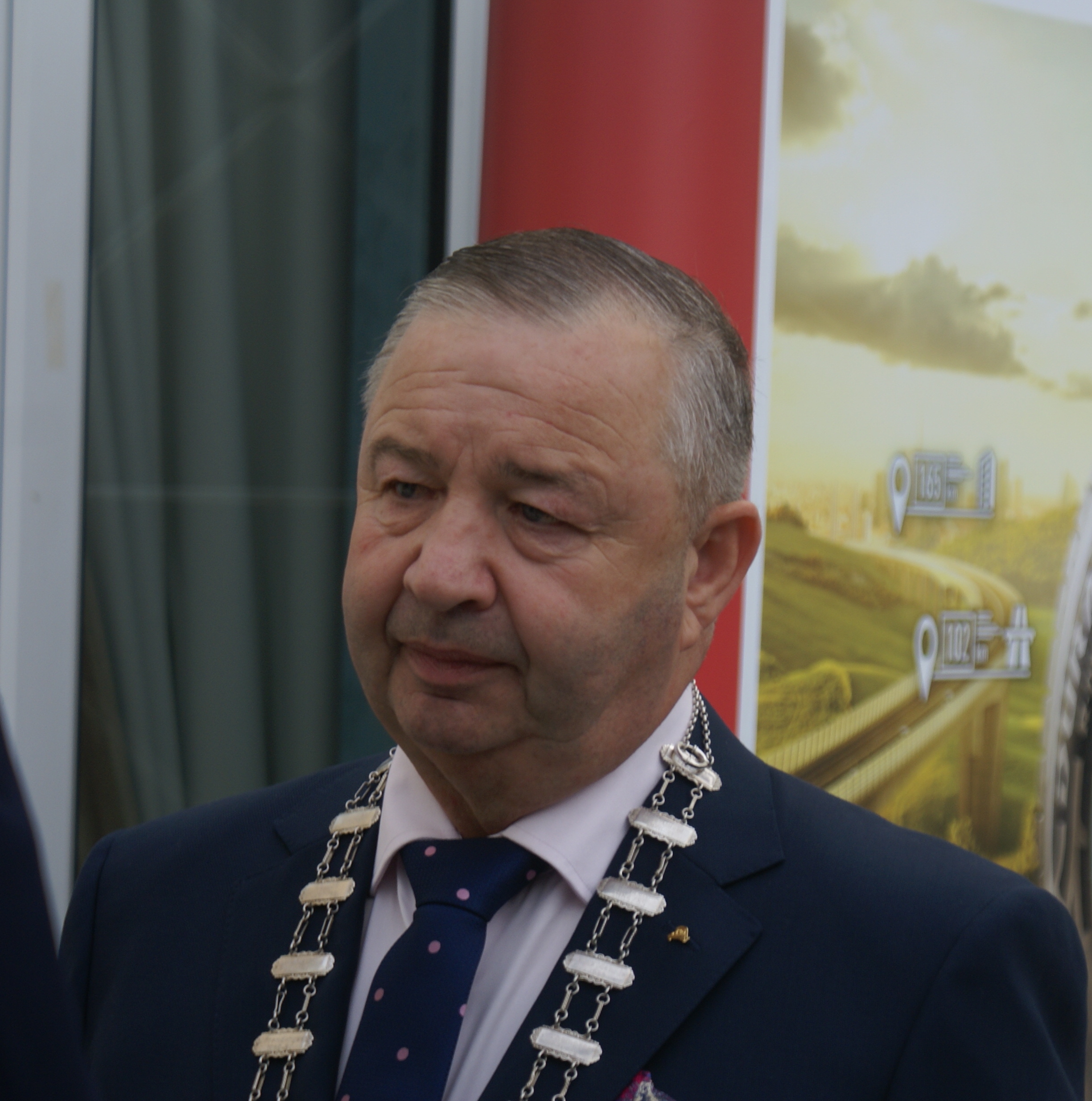
The letter signed by IRHA President, Ger Hyland continues: “That decision reflects growing concern across local government about the effectiveness, governance, and accountability of the RSA at a time of escalating road deaths.”
The full text of the Open Letter is published here:
Dear Councillor,
This week, Kerry County Council unanimously backed a motion of no confidence in the Road Safety Authority (RSA) at a full meeting of the Council. That decision reflects growing concern across local government about the effectiveness, governance, and accountability of the RSA at a time of escalating road deaths.
https://www.radiokerry.ie/news/kerry-councillors-back-motion-of-no-confidence-in-the-road-
In 2025, 185 people lost their lives on Irish roads, an unprecedented and unacceptable loss of life. Already in 2026, four further fatalities have occurred. Against that backdrop, we are writing to ask whether you would consider bringing a similar motion of no confidence before your own
council colleagues.
Following the publication of the Indecon Report last year, the Government under then Minister for Transport Eamon Ryan accepted all its recommendations and committed to substantive reform of the RSA. The Department of Transport stated clearly that these reforms would deliver a “radical transformation” in road safety activity in Ireland.
However, just before Christmas, the current Minister of State at the Department of Transport, Seán Canney, announced that the recommendations of the Indecon Report would not be implemented, citing cost. This decision represents a significant retreat from evidence-based policy and reform that had already been agreed by Government.
We believe this decision will have serious consequences, continued dysfunction within the driving test system, worsening road safety outcomes, and the ongoing operation of a publicly funded body that has been widely criticised as unfit for purpose.
The Irish Road Haulage Association notes with alarm that road fatalities continue to rise, despite independent reviews concluding that structural reform of the RSA is essential because the current framework is failing both the public and the transport sector.
At the time, we described the decision to abandon the Indecon reforms as baffling and irresponsible, a view we maintain.
Minister Canney’s public dismissal of stakeholder expertise and evidence-based recommendations highlights a troubling pattern of disengagement from those working on the frontlines of Ireland’s road transport system.
The Irish Road Haulage Association has consistently warned that delays and inefficiencies in driver training and testing alongside broader operational failures within the RSA impose real and measurable costs on businesses, drivers, and rural communities.
A broken driving test system,
Figures obtained by the Irish Road Haulage Association under the Freedom of Information Act show that, as of the end of September 2025, there were 394,128 learner permit holders on Irish roads. This represents a clear and present danger to all road users and is a stark indicator of a testing system so overwhelmed that it will take years to clear existing backlogs.
Despite repeated public relations campaigns by the RSA claiming progress, the number of learner drivers increased by 12,257 between March and September 2025, figures supplied directly by the RSA itself.
The majority of these learner drivers are young people living in rural Ireland. They rely on their cars to get to college, construction sites, farms, and workplaces, all while paying exorbitant insurance premiums. Driver test delays and unnecessary bureaucracy are having a profound and damaging impact on rural communities.
Garda figures show that 2,754 fixed charge notices were issued nationally by Gardaí in the first three months of 2025 alone to learner drivers caught driving without a fully licensed driver. That is an increase of 9.5% on the same period in 2024. They have no choice but to break the law to get to work, to college and to live in rural Ireland. We can and must do better. Our young people deserve better.
The RSA has mismanaged the driver testing system for over 20 years yet continues to avoid accountability. When the Irish Road Haulage Association launched a major media campaign highlighting these failures, the Minister instructed the RSA to reduce car test waiting times. This was achieved only temporarily by redeploying testers away from articulated truck, bus, and HGV testing.
As a result, waiting times for commercial driving tests increased dramatically. Department of Transport figures show increases of 42% for truck tests and 40% for articulated truck tests between April and June 2025. This created serious shortages of qualified drivers, affecting agriculture, small businesses, school transport, and the wider rural economy.
In short, the RSA attempted to solve one crisis by creating another, and again, no meaningful accountability followed.
The actions and failures of the RSA are actively stifling economic growth in rural Ireland. How long can this be tolerated?
I urge you to stand up for young drivers, for rural communities, for businesses dependent on qualified drivers, and for the 185 families who lost loved ones on Irish roads in 2025. Supporting a motion of no confidence is not about politics, it is about responsibility, accountability, and public safety.
Change is never easy. However, allowing the RSA to continue repeating the mistakes of the past two decades is a failure of leadership. It sends a clear message that we are prepared to turn our backs on road safety, rural transport, and the young people we depend on to build our homes, staff our businesses, and sustain our communities.